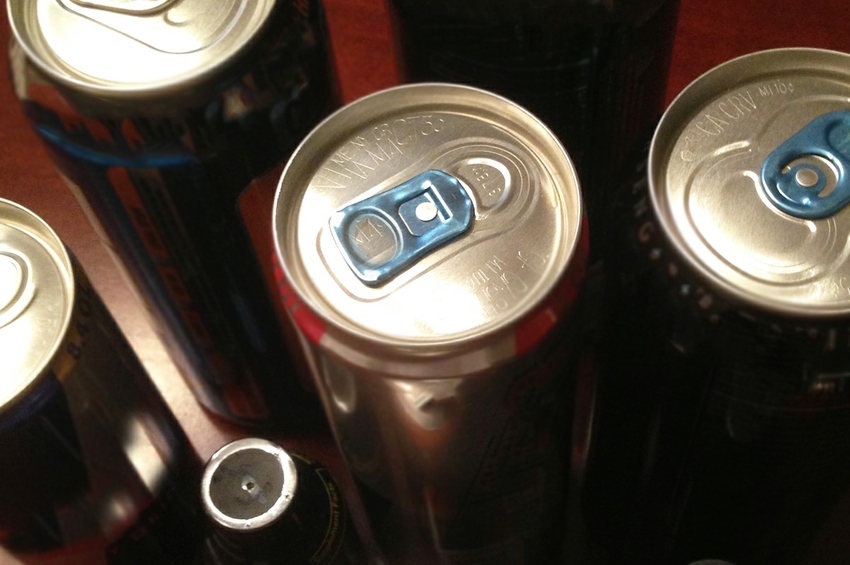
Preliminary research presented at the American Heart Association's Scientific Sessions 2026 suggests that caffeinated energy drinks and stimulant supplements show up disproportionately often in federal reports of serious heart problems, including cardiac arrest and heart attacks, particularly among adults between 18 and 34. The findings were announced ahead of the meeting, which runs Nov. 6–9 in Chicago, according to www.heart.org.
The study has not been peer-reviewed and is considered preliminary until published in full in a scientific journal. Its authors say it points to a need for closer safety monitoring of products that deliver large amounts of caffeine.
Why it matters
Caffeine-heavy products have moved from niche shelves to everyday retail. According to www.heart.org, sales of caffeinated energy drinks have more than doubled in the past decade and topped $20 billion in 2024. Many of these drinks sit beside soda and bottled water, and some pre-workout supplements pack far more caffeine per fluid ounce than brewed coffee — in some cases more than twelve times as much, the outlet reports.
Because the U.S. Food and Drug Administration treats these items as foods or dietary supplements rather than medications, they skip the premarket safety testing that drugs must undergo. That regulatory gap is central to the researchers' argument.
What the researchers did
The team, led by Sai Samayamanthula, a fourth-year medical student at the University of Virginia School of Medicine in Charlottesville, examined a government safety database. They compared adverse-event reports tied to products containing caffeine and other stimulants against reports involving other FDA-regulated foods and supplements, such as soft drinks, meal replacement shakes, protein bars, smoothies and vitamins. The data covered people aged 13 and older and spanned 2017 through 2025.
Samayamanthula said in the www.heart.org report that consumers often assume these products carry little risk because of how they are marketed and sold. He noted that occasional use probably poses a small risk for many healthy people, but that regular consumption can push someone past the recommended daily caffeine limit quickly.
A 2026 American Heart Association Scientific Statement on caffeine and cardiovascular disease, cited by www.heart.org, holds that up to 400 milligrams of caffeine a day — roughly five 8-ounce cups of regular black coffee — is generally safe for most adults.
An association, not proof of cause
Gregory M. Marcus, M.D., M.A.S., FAHA, who chairs the committee behind that scientific statement and was not involved in the new study, cautioned against reading the results as proof. He told www.heart.org that there are biological reasons a link could exist, but that other factors may have shaped the analysis, and that more research is needed to determine whether the stimulant products are actually responsible for the reported heart events. Marcus is a professor of medicine at the University of California, San Francisco School of Medicine and associate chief of the Cardiology for Research program at UCSF Health.
The researchers themselves said they do not fully understand why the reports clustered among young adults. According to www.heart.org, possible explanations include how frequently this age group uses such products, the circumstances of use — for instance, before intense exercise or combined with alcohol or drugs — or the presence of undiagnosed heart conditions. Healthcare professionals have previously documented irregular heart rhythms and sudden cardiac death in people who had consumed these products, many of them young adults with no known heart risk factors.
Samayamanthula said the results support more systematic safety monitoring and urged clinicians to ask younger patients who report palpitations, chest pain or fainting whether they use these products recently or regularly.
Statements from studies presented at American Heart Association meetings reflect only the views of the authors and are not peer-reviewed, the organization notes; they are curated by independent review panels and do not represent Association policy.
Watch for the full manuscript and any peer-reviewed publication, which would give the findings a firmer footing than a conference abstract can.





