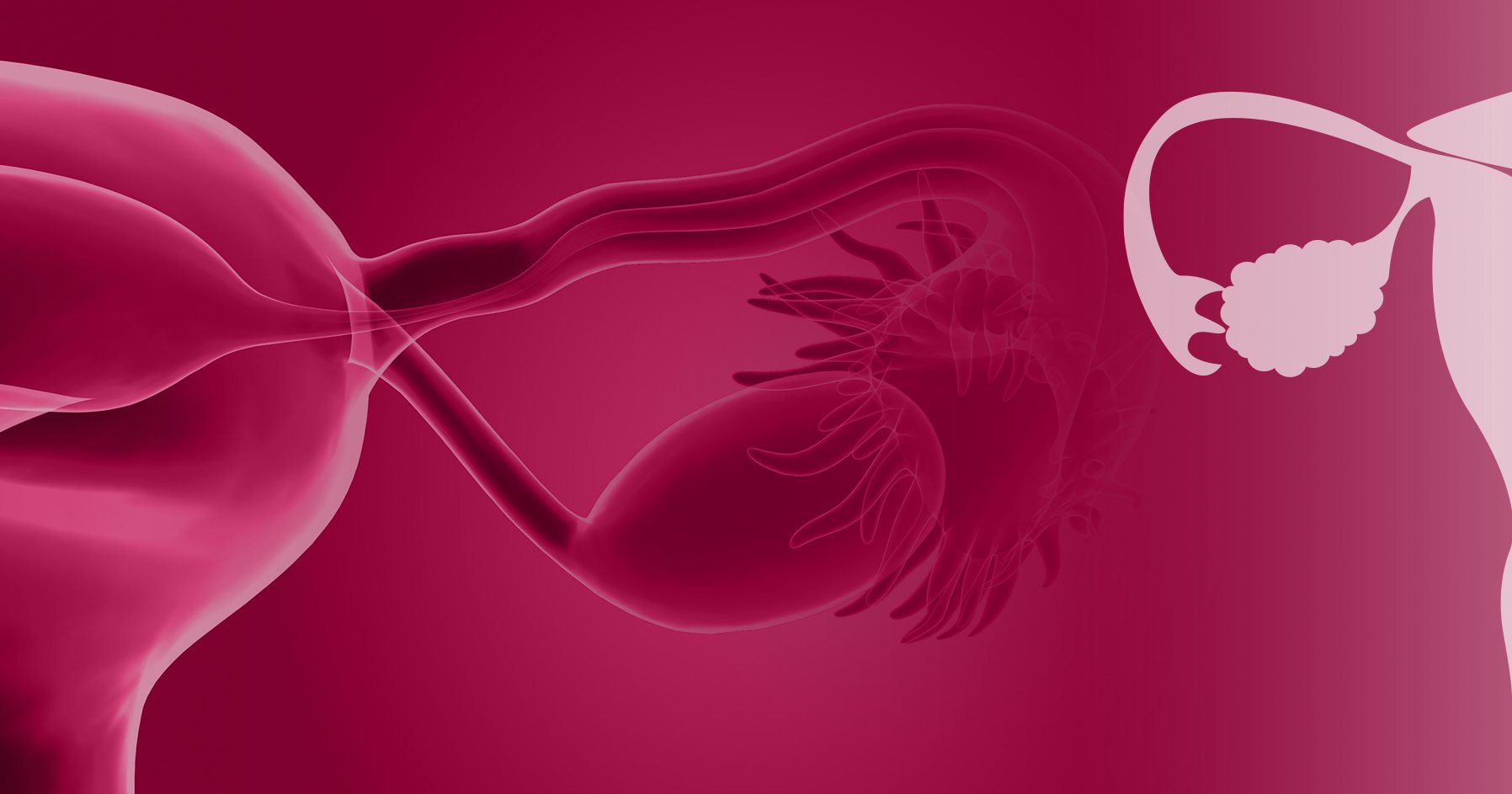
The Endocrine Society has highlighted a possible connection between PMOS/PCOS and Alzheimer's disease and dementia, according to a notice published by the organization on Tuesday, October 13, 2026. The Society describes PMOS as a widespread condition that affects both the reproductive and metabolic health of women. The organization's statement frames the potential link to the two neurological conditions as an area of concern rather than a settled finding.
The Endocrine Society is a professional body representing endocrinologists, the physicians and scientists who study and treat hormone-related conditions. Its membership exceeds 18,000 people spread across 133 countries, making it one of the largest organizations of its kind globally. The group publishes peer-reviewed journals and hosts an annual meeting it describes as the largest in the endocrine field.
Why it matters
PMOS/PCOS is already recognized as a common condition, and the Endocrine Society notes that it touches on two areas of health at once: reproduction and metabolism. If a relationship with Alzheimer's disease and dementia holds up, it would add a neurological dimension to a condition that already carries a substantial health burden for women.
Dementia and Alzheimer's disease are progressive conditions that affect memory, thinking, and daily functioning, and they represent some of the most pressing health challenges of the current era. Any factor that could raise risk — or that could identify women who might benefit from earlier monitoring — would be significant for patients and for the clinicians who care for them.
The Society places Alzheimer's disease and dementia within the broader set of health problems it says endocrinologists are central to addressing. That list also includes diabetes, obesity, infertility, bone health, and hormone-related cancers. The grouping is notable because it treats neurological decline as part of the same landscape as hormonal and metabolic disease, rather than as a separate field.
What the Society said — and what it did not
The Endocrine Society's notice is brief. It states that PMOS is a common condition affecting women's reproductive and metabolic health, and it raises the possibility of a link to Alzheimer's disease and dementia. It does not present study data, risk figures, or a proposed mechanism in the material released.
That restraint matters. A possible association is not the same as a proven cause, and the Society's wording reflects that distinction. Readers should treat the connection as a signal that warrants further investigation, not as a confirmed pathway by which one condition produces the other.
The organization also did not specify in the notice how the link might work, what population it applies to, or what stage of life it might affect. Those are the kinds of details that typically emerge from peer-reviewed research, which the Society publishes through its journals.
Who the Endocrine Society is
The Society's role helps explain why its notice carries weight. It describes itself as the voice of the endocrine field, with members in more than 130 countries. Through its journals and its annual meeting, known as ENDO, it works to speed up hormone research, improve clinical practice in endocrinology, and advocate for policies grounded in evidence on behalf of the global endocrine community.
The organization's stated focus areas — diabetes, obesity, infertility, bone health, and hormone-related cancers — show the range of conditions its members handle. Endocrinologists deal with the body's hormone systems, which regulate everything from blood sugar to reproduction to bone density. When a hormonal condition is suspected of influencing brain health, it falls within the scope of the field.
The Society also runs a podcast, Endocrine News, which covers research and clinical developments for specialists, and it maintains a newsroom for press releases and policy communications. Its communications staff handles media inquiries, with contacts listed for its associate director and director of communications and media relations.
The broader context of hormone research
Hormones act as chemical messengers throughout the body, and disruptions in those systems can have effects that reach well beyond the organs most obviously involved. That is part of why the Endocrine Society's members are described as being at the core of solving major health problems. The field's research agenda increasingly looks at how hormonal and metabolic factors intersect with conditions in other systems, including the brain.
PMOS/PCOS sits at exactly that intersection. Because it affects both reproductive and metabolic health, it is the kind of condition that can influence multiple body systems over a person's lifetime. The Society's notice suggests that researchers and clinicians may need to consider whether that influence extends to cognitive health as women age.
For patients, the practical takeaway is limited for now. The Society has not issued screening guidance, treatment recommendations, or lifestyle advice tied to the possible link. Anyone with concerns about PMOS/PCOS, memory, or dementia risk should raise them with a qualified clinician rather than draw conclusions from a single organizational notice.
What to watch
The next step would be peer-reviewed research that tests the proposed association directly — work that could appear in the Endocrine Society's journals or be presented at ENDO, the organization's annual meeting. Until such findings are published, the connection between PMOS/PCOS and Alzheimer's disease and dementia remains a hypothesis worth watching, not an established risk factor.





