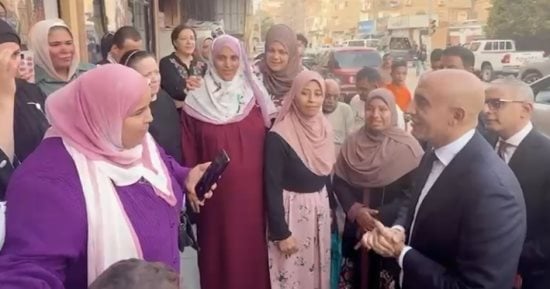
Egypt's Minister of Education and Technical Education, Mohamed Abdel Latif, turned down a request from parents to excuse students from school during Ramadan, according to a report by Al-Youm Al-Sabea. The exchange took place outside a school in Beni Suef governorate, where the minister was touring facilities to check that classes were running as scheduled. The outlet reported the conversation on Tuesday.
When parents asked him to grant pupils a break during the holy month, Abdel Latif answered with a question of his own, asking whether their grandparents had fought while fasting, the newspaper reported. He added that the aim was to teach students to become strong, according to the same account.
Why it matters
The remark touches a recurring debate in Egypt over how the school calendar should accommodate Ramadan, when fasting, altered sleep patterns and shortened working hours put pressure on families. Requests for lighter schedules or full holidays during the month surface in Egyptian media and among parent groups with some regularity. The minister's response, as reported, signals that the current administration does not intend to treat the month as a reason to suspend classes, and frames the issue as a question of discipline rather than convenience.
The exchange also offers a window into how the ministry is presenting its school-reform agenda. Abdel Latif's visit to Beni Suef was officially about attendance and the regularity of study, but it became an informal question-and-answer session with parents on curriculum, assessment and study habits — themes the ministry has been pushing as part of its broader changes to secondary education.
A conversation with parents on curriculum and study habits
According to Al-Youm Al-Sabea, the minister opened the discussion by asking parents whether they now helped their children study more than they had in the past. The parents replied that they did, the outlet reported. He then asked whether they worked through assessments with their children, and several women confirmed that they did.
The minister also asked whether the curricula were easy or difficult, and parents described them as moderate in difficulty, according to the report.
Separate coverage of the same visit by other Egyptian outlets focused on similar themes. Masrawy reported that the minister inspected schools in Beni Suef to verify that study was proceeding normally. Sada El-Balad reported that he asked students for their views on the new baccalaureate system and received a collective response. Al-Watan reported that he questioned parents about whether they reviewed assessments with their children, and a report by the Tawasul news network said he asked parents whether they studied with their children after school, with parents replying that they sent them to private lessons.
Attendance checks and the baccalaureate rollout
The Beni Suef tour fits a pattern of school inspections the ministry has publicised as it tries to show that instruction is proceeding on schedule. The visit also placed the minister in direct contact with students, who were asked about the baccalaureate system now being introduced for secondary students — a reform that has drawn attention from families weighing how it will affect university admission.
The reported exchange about Ramadan was not part of the official tour agenda, but it travelled quickly because it addressed a practical concern many households raise each year. The minister's answer, as quoted by Al-Youm Al-Sabea, was brief and did not indicate any change in policy.
What to watch
Whether the ministry issues any formal guidance on school hours or schedules for Ramadan, and how the baccalaureate system is received as it is rolled out further, are the points to follow.