
Let me tell you something that might ruffle some eco-feathers: most "eco-tourism" trips are just greenwashing with better Instagram lighting.
I've been guilty of it too. I booked a "sustainable" jungle lodge in Costa Rica, felt great about myself, then realized my flight there emitted more carbon than a small village does in a year. Oops.
But here's the thing — I've spent the last five years traveling across 30+ countries, digging into what actually makes a difference versus what just makes you feel good. And the truth? Carbon-neutral adventures aren't just possible. They're way more fun than the fake stuff.
Let's cut through the nonsense. Here's your real guide to eco-tourism that doesn't suck.
The Dirty Secret Nobody Talks About (But Everyone Should)
You know what's wild? According to the UN, tourism accounts for roughly 8% of global greenhouse gas emissions. That's not a rounding error — that's a crisis wrapped in a beach towel.
Here's what most people miss: Carbon-neutral doesn't mean "zero impact." It means you're actively offsetting or reducing your footprint — not just buying a $5 carbon credit and calling it a day.
I've found that the most effective eco-tourism experiences share three things:
- They prioritize local communities — your money stays in the region
- They use regenerative practices — leaving places better than you found them
- They're transparent about their actual carbon footprint — no vague "green" labels
The 3 Types of Carbon-Neutral Travel (And Why Most People Pick the Wrong One)
I've categorized every eco-tourism experience into three buckets. Spoiler: only one actually moves the needle.
Type 1: The "Offset and Forget" Trip (The Lazy Option)
This is where you fly somewhere, pay a third-party company to plant trees, and call it sustainable. Problem is, tree planting isn't a magic wand. A study from the University of Oxford found that many offset projects are overhyped or simply don't work long-term.Verdict: Better than nothing, but barely. Don't let this be your only move.
Type 2: The "Low-Impact Local" Adventure (The Smart Option)
You stay close to home, use trains or buses instead of planes, and support businesses that run on renewable energy. I did a week-long cycling trip through rural Vermont last fall — zero flights, all local food, and my carbon footprint was smaller than a week at home.Verdict: This is where the magic happens. Lower emissions, higher authenticity.
Type 3: The "Regenerative Journey" (The Gold Standard)
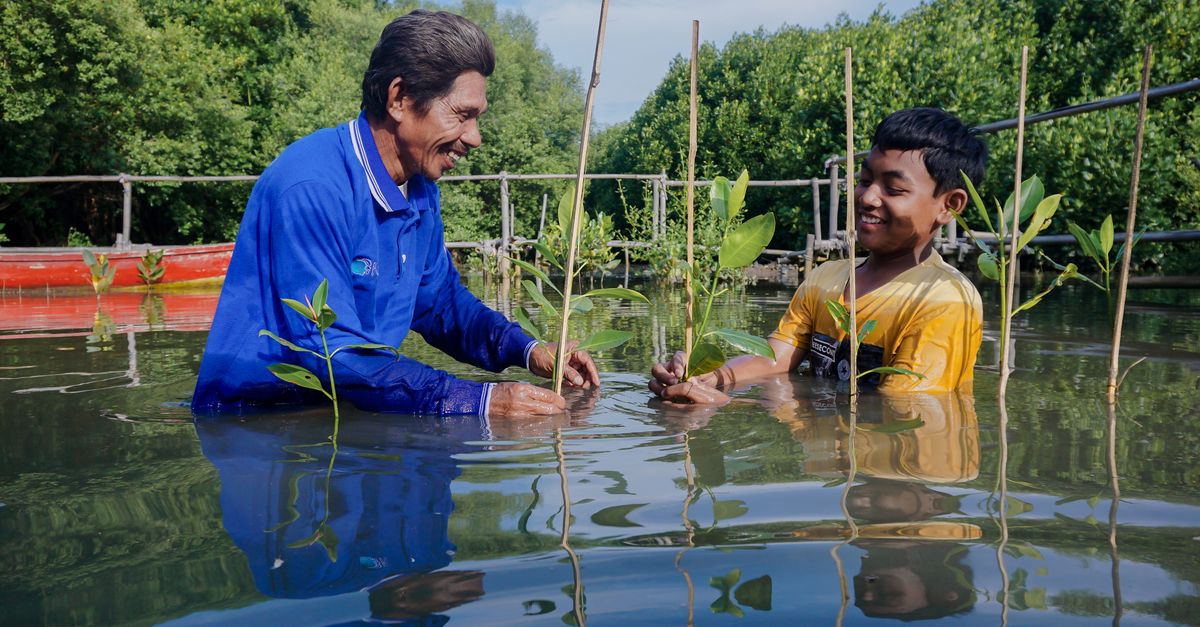
This is the holy grail. You travel to a destination, but your trip actively restores ecosystems. Think: volunteering in coral reef restoration in Belize or staying at a lodge that rewilds native forests.I spent two weeks in the Amazon with a community-run project where every guest's stay funds reforestation and protects indigenous land. My flight was offset by their work, not some faceless corporation.
Verdict: Expensive, but worth every cent. This is tourism as a force for good.
How to Actually Vet an "Eco" Tour (Without Getting Duped)
Here's the truth: green labels are about as reliable as a fortune cookie. I've seen "eco-resorts" that dump waste into rivers and "sustainable tours" that fly guests in private jets.
Here's my personal checklist — steal it:
- Ask for third-party certifications — look for B Corp, Climate Neutral, or Rainforest Alliance. "Self-certified" means nothing.
- Check their waste management — do they compost? Recycle? Ban single-use plastics? If not, run.
- Look at their food sourcing — is it local, seasonal, and plant-forward? Meat-heavy menus are a red flag.
- Read reviews from locals — not just tourists. A quick search on local forums reveals whether they're actually helping the community.

The Surprising Science Behind Carbon-Neutral Adventures
You might not know this, but the most carbon-efficient travel isn't always what you think. Here's a quick reality check:
- Short-haul flights (under 500 miles) are actually worse per mile than long-haul flights. The takeoff and landing burn more fuel. So that weekend trip to a nearby city? Take the train.
- Cruise ships are an environmental nightmare. The average cruise emits 3-4 times more CO2 per passenger than a flight of the same distance. I don't care how "green" they market themselves — avoid them.
- Electric vehicles are great, but only if the electricity comes from renewables. In places like Poland (mostly coal power), an EV might be dirtier than a hybrid.
The 5-Step System for Your First Carbon-Neutral Trip
Ready to actually do this? Here's my proven system:
- Calculate your baseline — use a tool like Carbonfund.org or MyClimate. Know your starting point.
- Choose your mode of transport wisely — trains over planes, buses over cars. If you must fly, book direct flights (less fuel per mile).
- Select accommodations with real certifications — look for LEED, Green Key, or EarthCheck. Ask for their energy and water usage data.
- Eat like a local — street food, markets, and plant-based meals. Imported food has a massive carbon footprint.
- Offset the rest — but only after you've reduced as much as possible. Buy from verified projects: reforestation, renewable energy, or community-based carbon capture.
The Bottom Line (And Why This Actually Matters)
Here's what I've learned after years of chasing "eco-tourism" hype: the most sustainable trip is the one you don't take. But since that's not realistic for most of us, the next best thing is to travel with intention.
Don't buy into the guilt-trip narrative either. Travel is beautiful. It connects us, educates us, and reminds us we're part of something bigger. The goal isn't to stop exploring — it's to explore better.
So next time you're planning an adventure, ask yourself: Does this trip make the world a better place, or just my Instagram feed?
The answer will tell you everything you need to know.
Now go book that train ticket. The planet's waiting.


