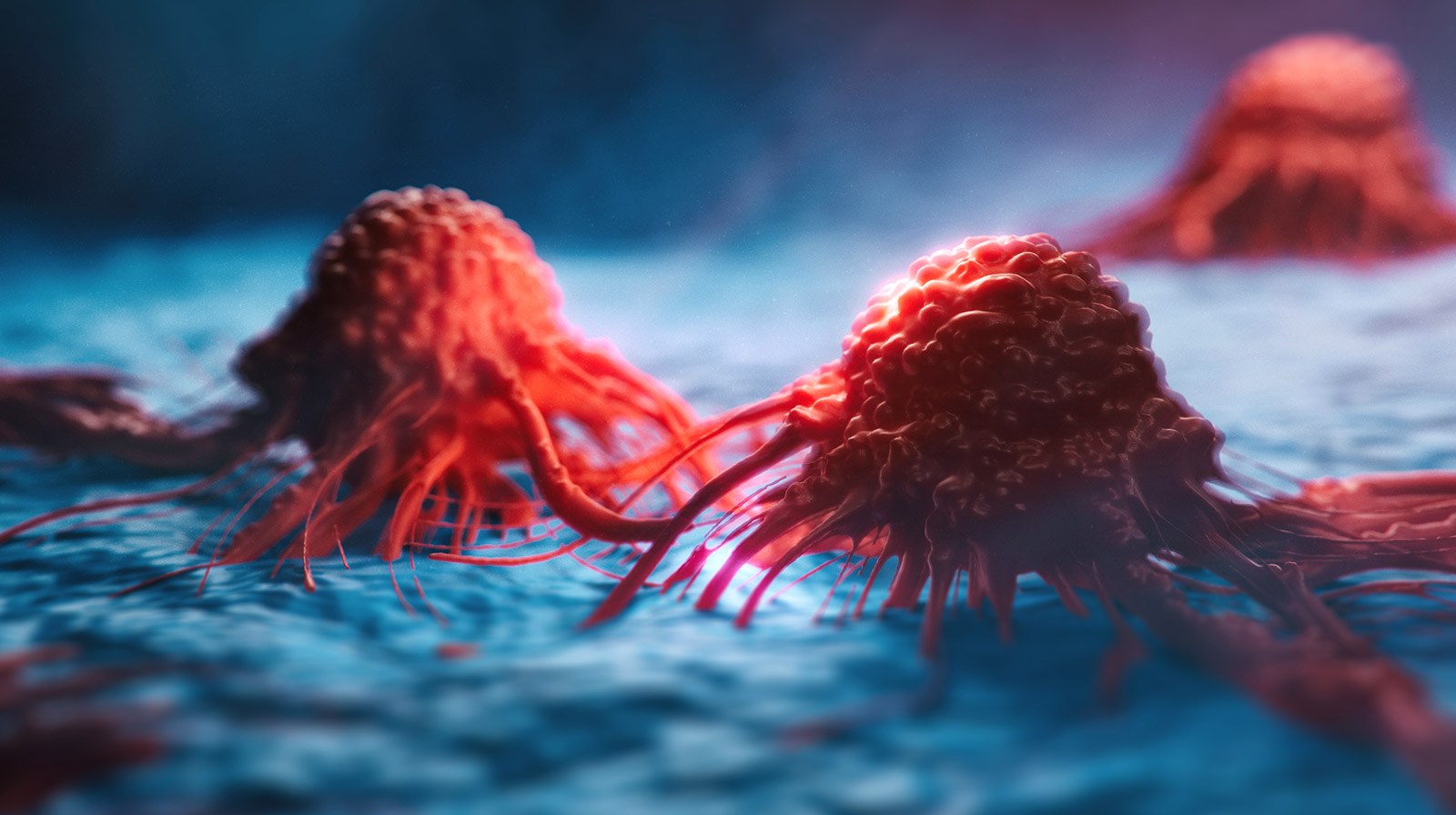
Researchers at Trinity College Dublin have mapped how a subset of cancer cells survives chemotherapy by transforming into enlarged, non-dividing "zombie cells" that later help tumors return, according to Bild der Wissenschaft. The team, led by Gokhan Gunay with senior author Seamus Martin, traced the molecular chain that lets these cells dodge the self-destruct signal chemotherapy is meant to trigger, and showed in mouse experiments that drugs targeting that mechanism can eliminate them. The findings were published in Science Advances.
Why it matters
Chemotherapy remains the primary weapon against cancer. The drugs work by damaging tumor DNA, which switches on the cell's built-in suicide program and kills it. That process is not airtight, however. Some cancer cells survive the treatment, and the Dublin work explains one route they take: instead of dying, they enter a state of premature senescence, growing to roughly ten times their normal size and stopping division altogether.
In that state, Bild der Wissenschaft reports, the converted cells become largely resistant both to immune attack and to further chemotherapy. The researchers say these cells can then seed a return of the tumor. Understanding that escape route matters because relapse after apparently successful treatment is a central obstacle in oncology, and the study points to a window right after chemotherapy when the process might be interrupted.
A false injury signal that recruits the immune system
The zombie cells exploit a deception. According to Bild der Wissenschaft, they switch on a large set of genes that are normally active in injured body cells in need of repair. As a result they release signaling molecules that mimic tissue damage. The immune system is fooled into treating the site as a wound and begins repair work, stimulating cell division and the growth of new blood vessels that deliver nutrients and oxygen to the surviving cancer cells. The misdirected immune response thus helps the cells regrow and form new tumors.
To pin down the mechanism, the team exposed cancer cell cultures to chemotherapy and then analyzed the metabolism of the surviving cells in detail. The analysis showed that some tumor cells produce apoptosis inhibitors (IAP), proteins that block the cell's suicide program. These inhibitors prevent the cells from forming so-called death receptors, the docking sites for cell-killing enzymes. Gunay and his colleagues were able, for the first time, to untangle the complex reaction chain that leads to production of these inhibitors, identifying the mechanism by which certain tumor cells avoid death.
The green fluorescence visible in the senescent cancer cells marks the apoptosis inhibitor they produce, the proteins that block cell death, according to imagery credited to Seamus Martin of Trinity College Dublin.
A vulnerability that drugs can exploit
The same work yielded a therapeutic angle. In experiments with mice, the researchers succeeded in clearing these prematurely senescent cells using agents that neutralize the apoptosis inhibitors the cancer cells produce, preventing them from escaping death. The researchers describe the senescent cancer cells' dependence on molecules such as IAP and FLIPL as their weak point.
Martin said the results carry implications for more effective cancer treatment: giving patients drugs against apoptosis inhibitors directly after chemotherapy could stop tumor cells from entering senescence, which in his words could allow more tumor cells to be killed. Which agents are suitable for use in humans still has to be tested.
The study is published in Science Advances (doi: 10.1126/sciadv.aed4541), with Gunay at Trinity College Dublin as first author, as reported by Bild der Wissenschaft.
What to watch next is the translation of the mouse results into human trials: identifying which inhibitor drugs are safe and effective in patients, and whether a post-chemotherapy course of such treatment actually reduces relapse in people rather than only in animals.





