I was standing in a friend’s closet last week, and she pulled out a neon green blazer she’d bought in 2021. “I thought this would fix me,” she said, holding it like a relic from a past life. We laughed, but it wasn’t funny. That blazer was supposed to be armor. Dopamine dressing was supposed to be the hack — wear loud colors, feel happy, conquer the world. But now? That blazer is buried under a pile of oatmeal-colored cardigans and taupe trousers. Welcome to the new era: sad beige aesthetics.
The Dopamine Dressing Hangover
Let’s be honest: the dopamine dressing trend was a pandemic coping mechanism. We were trapped inside, doomscrolling, and desperate for a serotonin boost. So we bought neon pink sweatsuits, chunky rainbow sneakers, and enough tie-dye to make a Grateful Dead concert blush. It worked, for a while. But here’s what most people miss: that kind of visual stimulation is exhausting long-term.
I’ve found that when I wear bright colors, I feel like I’m performing. Every stranger’s glance becomes a judgment. Every photo feels like a statement. There’s a reason why fashion editors started whispering about “visual fatigue” by late 2022. The brain can only process so much color before it starts craving silence. And silence, in fashion, is beige.
The dopamine dressing craze ran its course because it demanded constant energy. You had to be “on.” But the sad beige aesthetic? It asks for nothing. It lets you disappear into a soft, muted background. And honestly, after three years of chaos, that’s exactly what culture needed.
The Khaite-ification of Everything
You can trace this shift directly to one brand: Khaite. When they started dropping collections of ivory cashmere, stone-washed denim in dusty tones, and those perfect, boring boots, the fashion world collectively sighed with relief. Suddenly, minimalism wasn’t boring — it was prestige. It said, “I’m too important to scream for attention.”
Then came The Row, Jil Sander, and every Scandinavian influencer who’d been quietly wearing beige for years. The trend trickled down fast. Now, you can’t walk into a Zara without seeing an entire section dedicated to what I call “depression neutrals”: mushroom, sand, oat, clay, stone. They’re colors that sound like a Whole Foods hot bar.
Here’s the surprising part: this isn’t just fashion. It’s a cultural mood. Look at interior design — everyone’s painting their walls in “greige” and “warm white.” Look at social media — the “clean girl” aesthetic is just sad beige for your face. Even weddings are going beige. We’re collectively rejecting visual noise.
Why We’re All Dressing Like Background Characters
I’ve been thinking about this a lot. Why are we, a generation that claims to value individuality, all wearing the same muted palette? The answer is uncomfortable but honest: sad beige is a shield.
Think about it. When you wear beige, you’re not making a statement. You’re not inviting conversation. You’re not taking up visual space. In an era where everyone is performatively online, where every outfit can be photographed and critiqued, beige is the ultimate defensive move. It says, “Judge me. I dare you. I’m already beige.”
There’s also a weird status element. Wearing beige well is hard. It requires perfect tailoring, expensive fabrics, and a certain bone structure. It’s the quiet luxury trend rebranded for the masses. But most people don’t have the budget for that. So we end up with a lot of sad, shapeless beige that looks more like a hospital gown than high fashion.
The 3 Things No One Tells You About Sad Beige Dressing
- It’s actually harder to pull off. Bright colors hide stains, wrinkles, and poor fit. Beige shows everything. A single coffee spill can ruin your entire vibe. That’s why rich people wear it — they can afford dry cleaning.
- It changes how people treat you. I tested this. Wore a bright red dress to a coffee shop — got compliments, but also weird stares. Wore a beige sweater and wide-leg pants the next week — complete invisibility. People don’t look at you. They look through you. For some of us, that’s a feature, not a bug.
- It’s a gateway drug to embracing color again. I know, ironic. But once you master beige, you start appreciating color differently. A single rust-orange scarf against a beige coat? Chef’s kiss. The beige becomes a canvas, not a prison.
The Hidden Psychology of the Beige Renaissance
Let’s get analytical for a second. Pop culture has always reflected collective anxiety. The 2008 recession gave us normcore. The AIDS crisis gave us androgyny. And now, the post-pandemic, climate-crisis, political-meltdown era is giving us sad beige.
It’s not just fashion. Music is getting softer — think Billie Eilish’s whisper-singing, or the rise of ambient playlists. Movies are getting grayer — look at the muted color grading in The White Lotus or Succession. Even food trends are beige — hello, butter boards and cloud bread.
We are collectively turning down the volume on life. Beige is the visual equivalent of a weighted blanket. It’s comfort. It’s safety. It’s the color of “I just can’t deal with another bright, demanding thing today.”
Is This the End of Joy in Fashion?
This is the question everyone’s afraid to ask. If we all dress like extras in a Sofia Coppola film, have we killed self-expression? I don’t think so. I think we’ve just redefined it.
Dopamine dressing was about external stimulation. Sad beige is about internal peace. Neither is inherently better. But here’s what I’ve found: the most joyful people I know don’t dress for the camera. They dress for their own nervous system. And right now, our collective nervous system is screaming for calm.
The trick is to find your own version of beige. Maybe it’s actually gray. Maybe it’s navy. Maybe it’s that one perfect cream sweater you’ve worn for ten years. The aesthetic isn’t about the color — it’s about the intention. It’s about choosing clothes that make you feel grounded, not hyped.
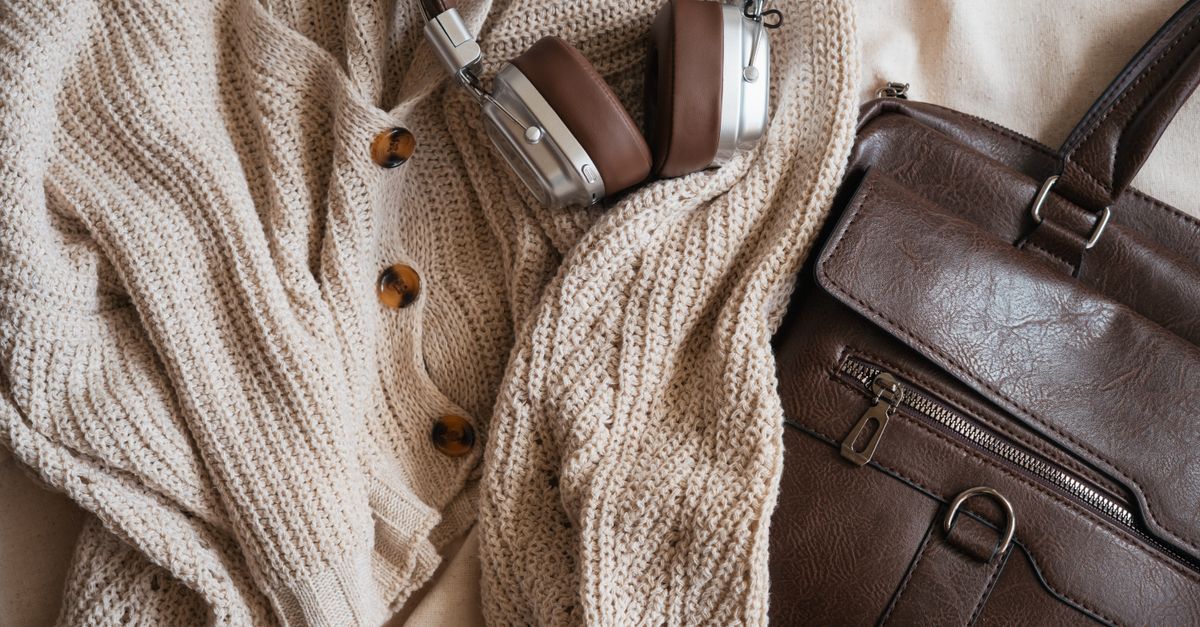
So go ahead, buy that beige cardigan. But don’t let it become a uniform. Use it as a reset. And when you’re ready, add a single pop of something alive — a red lip, a blue bag, a yellow scarf. That’s the real power of sad beige. It makes the color that matters actually matter.