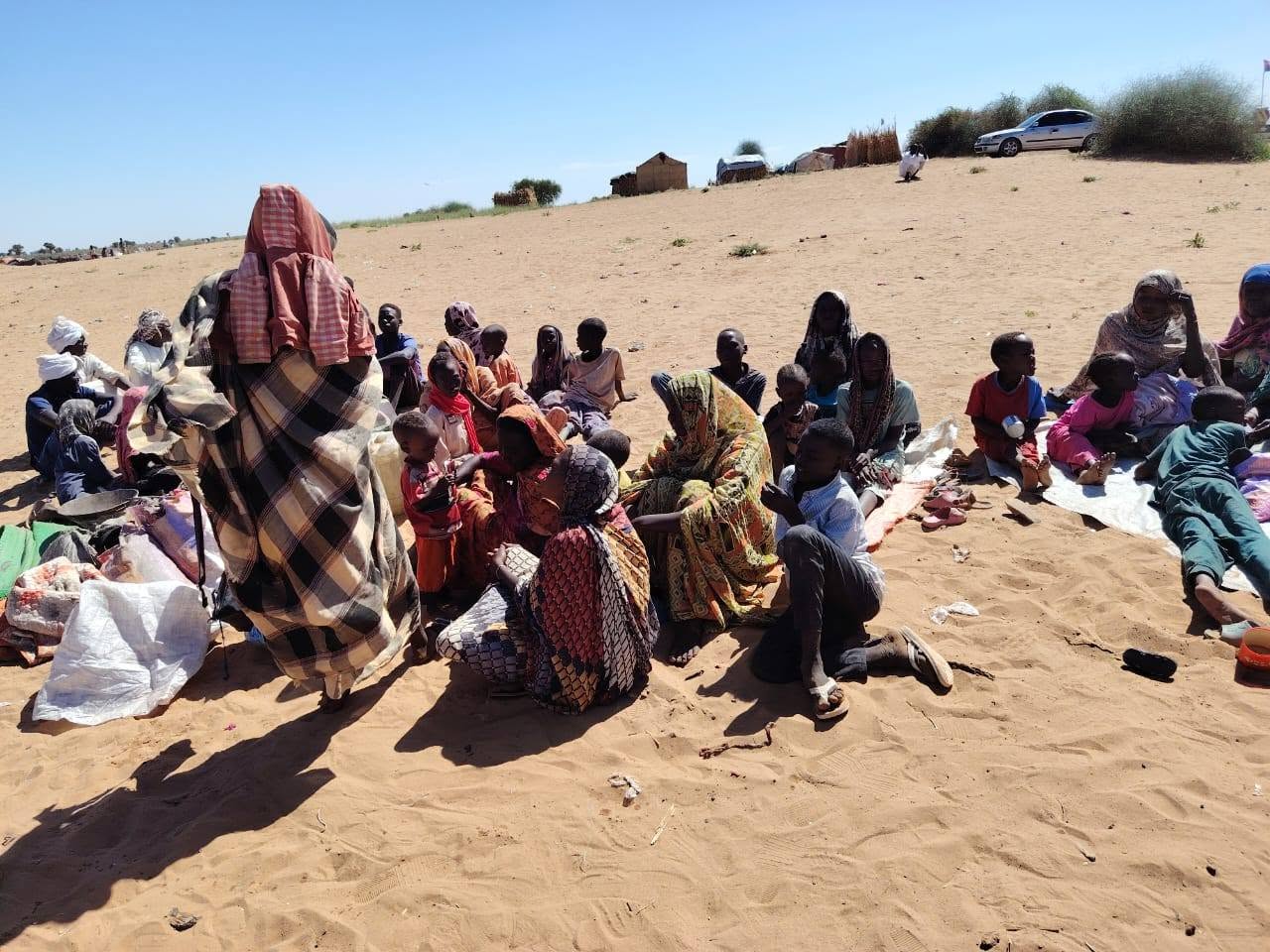
The General Coordination of Displaced Persons and Refugees says it has recorded 927 cumulative dengue fever cases in the Tawila area of North Darfur between September and 16 October, according to Radio Dabanga. The figure comes from the coordination body's field sources, which it says track health conditions alongside medical centres operating in the area.
Adam Rijal, the coordination body's official spokesperson, told Radio Dabanga that the situation is worsening as some health centres stop functioning and the facilities still open run short of medicines and medical supplies. He said patient numbers are rising and pressure on Tawila's rural hospital is mounting.
Why it matters
Tawila sits in a part of Darfur where displacement, drought and food insecurity have already strained health services. A dengue outbreak on top of that burden leaves little room for the system to absorb more cases, and the coordination body warns that continued medicine shortages and idle health facilities could push complications higher, particularly among the most vulnerable groups.
Dengue is a mosquito-borne viral infection that can cause severe illness, and outbreaks typically spread fastest where standing water, crowded living conditions and disrupted sanitation go unaddressed. The coordination body's appeal links the response to clean drinking water and environmental measures as much as to clinical care.
Overlapping outbreaks and a strained hospital
Rijal said the dengue surge is unfolding alongside malaria, diarrhoeal illness and malnutrition, with children, pregnant women and breastfeeding mothers among those most affected. He tied the combined burden to the consequences of displacement, drought, hunger, poverty and the loss of food security.
The coordination body singled out Tawila's rural hospital as the facility carrying the heaviest load while surrounding health centres drop out of service. It warned that if medicines keep running short, facilities stay closed and the humanitarian response remains weak, the situation will deteriorate further and the risk of health complications will climb.
What the coordination body is asking for
In a statement seen by Radio Dabanga, the General Coordination of Displaced Persons and Refugees called on humanitarian and health organisations, United Nations agencies and other relevant bodies to act without delay. Its requests include supplying medicines and medical supplies, backing the rural hospital in Tawila, bringing halted health centres back into operation and strengthening efforts against both dengue and malaria.
The statement also called for clean drinking water, food and therapeutic nutrition, and for humanitarian aid to reach displaced people and host communities across Darfur, Kordofan and Blue Nile without delay. The coordination body said protecting civilians' lives and dignity is a humanitarian responsibility that cannot be postponed, and that tackling these crises requires an urgent, coordinated response that puts the needs of affected people first.
Radio Dabanga's report did not include a breakdown of the 927 cases by severity, age or locality within the Tawila area, and did not say how many health centres have stopped working.
A wider outbreak picture
Other Sudanese outlets have reported dengue outbreaks in additional areas. Sudan Tribune carried a report on the 927 infections in Tawila and warnings of a health disaster, while Sudan Independent described what it called catastrophic conditions in Sennar caused by a broad spread of dengue fever. Another outlet reported 500 dengue infections occurring without medicine or environmental sanitation, and a further report described an outbreak in displacement camps in North Darfur in which doctors themselves were among those infected, threatening health services.
Those reports point to a pattern rather than a single local cluster: dengue is spreading across several states while the health system, already weakened by conflict and displacement, struggles to keep pace. The coordination body's figures cover only the Tawila area, so the national picture is likely broader than the 927 cases it has documented.
What to watch
The immediate question is whether humanitarian and health agencies respond to the coordination body's appeal with medicines, staffing and restored facilities in Tawila before the case count climbs further. Also worth watching is whether clean water and sanitation measures reach the area, since dengue control depends on them as much as on treatment. Radio Dabanga reports that the coordination body sees the coming period as decisive for whether the outbreak is contained or worsens.





