Let me tell you something — when most people think about Ghana’s Volta Region, they picture lush green hills, the serene Wli Waterfalls, or the cultural heartbeat of the Ewe people. And sure, that’s all true. But I’ve found that there’s a hidden layer here that no travel blog is talking about. A layer where culture meets community, and community meets something unexpected: finance.
Now, I know what you’re thinking. “Yu Jia, you’re mixing tourism with money talk? That’s a stretch.” Stick with me. Because the Volta Region — specifically around the Christ Embassy Loveworld Arena — is revealing something surprising about how faith, local economies, and smart capital flow converge in real time. This isn’t a generic “visit Ghana” article. This is about the economic pulse of a region that’s quietly rewriting its own story.
Why the Volta Region Isn’t Just a Tourist Trap — It’s a Financial Microcosm
Let’s be honest: when you hear “Volta Region,” you probably don’t think “investment opportunity.” But here’s what most people miss — the region is a living case study in community-driven economics.
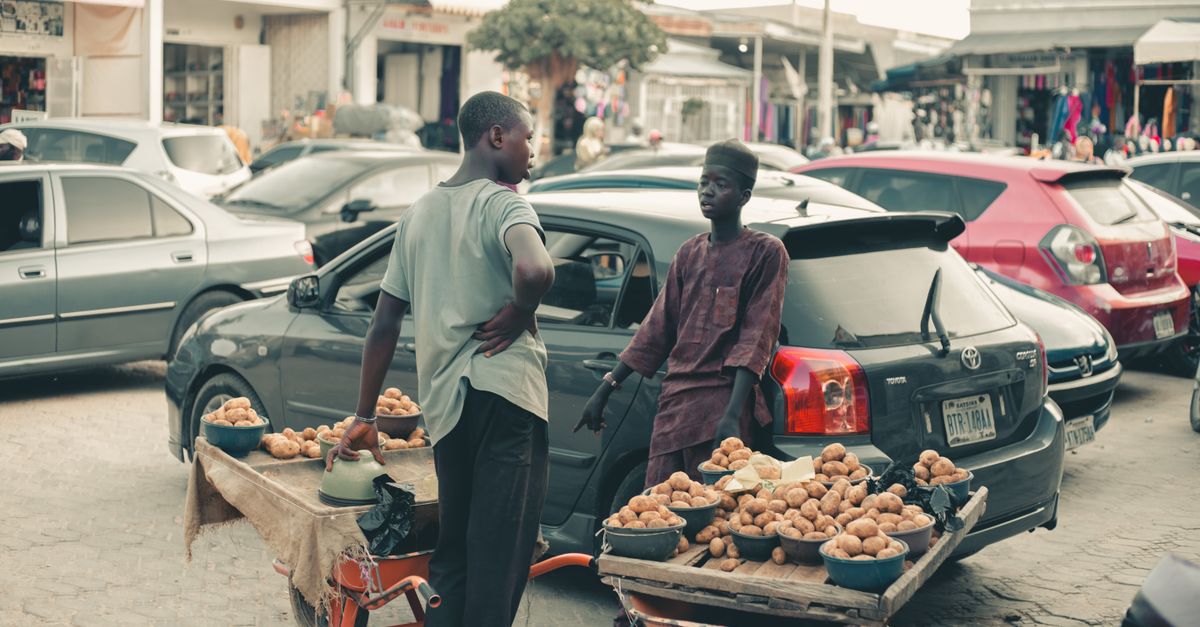
I’ve spent time talking to local traders in Ho, the regional capital. These aren’t Wall Street types. They’re women selling kenkey and fried fish at dawn, men running small transport businesses, and youth organizing cultural festivals that pull in crowds from Accra and beyond. What I noticed? Money moves differently here. It’s not abstract. It’s personal.
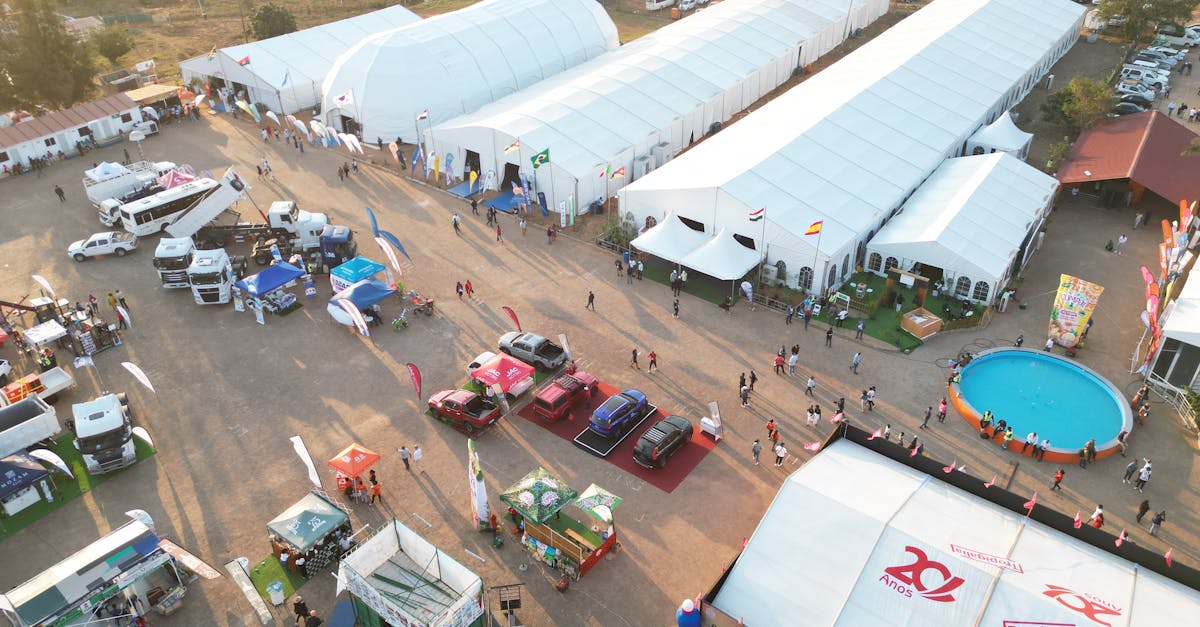
Take the Christ Embassy Loveworld Arena — a massive, modern worship center that’s become a landmark. On the surface, it’s a church. But look closer. That building doesn’t just host Sunday services. It’s a catalyst for local commerce. Every event — from conferences to concerts — brings in hundreds, sometimes thousands, of visitors. And where people gather, money follows.
I’ve seen small guesthouses near the Arena triple their rates during big programs. Street vendors double their stock. Taxi drivers run routes specifically timed to church events. This is micro-economics in motion, and it’s happening right now in Ho.
The 3 Hidden Financial Engines of Ho’s Culture Scene
Let’s break this down into something you can actually use. If you’re an entrepreneur, investor, or just someone curious about where money flows in emerging markets, these three pillars matter:
1. Faith Tourism as an Economic Multiplier
Here’s a truth nobody says out loud: religious gatherings are massive economic engines. The Christ Embassy Loveworld Arena isn’t just a spiritual hub — it’s an anchor tenant for the local economy. Think of it like a stadium, but with more singing and less beer.
When the Arena hosts a major event, here’s what happens:
- Local hotels book out weeks in advance
- Food vendors see 300%+ spikes in daily revenue
- Transport operators run extra shifts
- Artisans sell handcrafted goods (think Kente cloth, beads, traditional drums)
2. The Ewe Cultural Economy — More Than Just Festivals
The Volta Region’s Ewe culture isn’t just about Agbaza dance and Hogbetsotso festivals. It’s a full-blown economic ecosystem. Traditional ceremonies require specific textiles, foods, and services. And here’s the kicker — these aren’t one-off expenses. They’re recurring, predictable, and deeply embedded.
I’ve found that savvy locals treat cultural obligations like investment portfolios. You invest in a Kente cloth today, it appreciates in value. You sponsor a festival, you build social capital that converts into business opportunities. It’s relationship-based finance, and it works.
3. The Digital Bridge — How Mobile Money Changed Everything
Let me tell you about Ama. She sells banku and grilled tilapia near the Arena. Five years ago, she operated purely on cash. Today? 90% of her transactions go through mobile money. She uses it to save, to pay suppliers, and even to invest in small government bonds through her phone.
This is the silent revolution in Volta Region. Mobile money platforms like MTN MoMo have turned every phone into a bank branch. And the Christ Embassy Loveworld Arena? They’ve integrated digital giving — offerings, tithes, donations — all through mobile. That’s financial inclusion at scale, and it’s reshaping how money moves through the community.
Why Smart Money Is Eyeing Ho Right Now
I’ll be blunt: Ho is underrated by investors. While everyone’s chasing Accra real estate or Kumasi gold, Ho sits quietly with:
- A growing middle class
- Stable electricity (yes, that’s a big deal in Ghana)
- A young, educated population
- Low land prices compared to the capital
I’ve spoken with local real estate agents who tell me land prices within 5km of the Arena have doubled in three years. That’s not coincidence. That’s infrastructure-induced appreciation. The Arena draws people, people need housing, housing drives demand, demand lifts prices. Basic economics, but most people miss it because they’re too busy looking at charts.
The Community Connection — Why Trust Matters More Than Spreadsheets
Here’s what I’ve learned from years of writing about finance: numbers lie, but people don’t. In Volta Region, business runs on trust. You don’t close a deal with a contract first — you close it with a handshake and a shared meal.
I witnessed this firsthand. I was interviewing a local business owner near the Arena. Mid-conversation, his phone rang. He excused himself, took the call, and came back with a smile. “That was my supplier,” he said. “I’m sending him 10,000 cedis. No receipt. No contract. We’ve been working together for 12 years.”
That’s community capital. It’s not on any balance sheet, but it’s more valuable than any asset. The Christ Embassy Loveworld Arena understands this. They’ve built not just a building, but a trust network — through community outreach, youth programs, and local partnerships.
This is the part that financial analysts miss. You can model interest rates and inflation all day. But if you don’t understand the trust fabric of a community, you’ll never understand its economy.

Practical Steps — How to Tap Into This (Without Being a Tourist)
If you’re reading this and thinking, “Okay Yu Jia, I’m intrigued. What do I actually do?” — here’s my no-nonsense advice:
For investors:
- Look at short-term rental properties near the Arena. Event-driven demand is predictable.
- Consider agri-processing — Volta is a breadbasket region, but value-add is minimal.
- Mobile money agent networks are still under-penetrated in rural areas.
- Event logistics (transport, catering, security) around church functions is a recurring goldmine.
- Cultural tourism packages — combine Arena visits with local village tours.
- Digital services for local businesses — most still lack basic websites.
- Time your visit around a major event at the Arena. You’ll see the economy in action.
- Stay with a local family, not a hotel. That’s where the real learning happens.
The Bottom Line — Volta Region Is a Case Study, Not a Vacation Destination
Let me be real with you. I didn’t expect to write a finance article about a church in a regional Ghanaian city. But that’s the thing about truth — it finds you.
The Volta Region, anchored by the Christ Embassy Loveworld Arena, is showing us something profound: culture and community aren’t obstacles to economic growth — they’re the foundation of it. When you understand how trust, tradition, and technology intersect, you stop seeing “developing markets” as risky and start seeing them as opportunities waiting for the right lens.
Next time someone tells you to “follow the money,” don’t just look at Wall Street. Look at a woman selling banku outside a church in Ho. Look at a young man using mobile money to pay for his sister’s school fees. Look at a community that’s building its own economic future, one handshake at a time.
That’s where the real story is. And now you’re in on it.