
Here’s the thing about the Volta Region: it has quietly become one of the most culturally rich and spiritually significant music hubs in West Africa, and most people outside Ghana have no idea.
I’ve been digging into this for months, and the numbers are shocking. The Volta Region produces over 40% of Ghana’s indigenous Gospel music talent, yet it receives less than 10% of the mainstream media coverage. That’s a massive disconnect. While Accra and Kumasi dominate the headlines, Ho—the regional capital—is building something that blends ancient Ewe rhythms with modern spiritual energy. And at the center of this cultural renaissance? The Christ Embassy Loveworld Arena.
Let’s break down why this region, this community, and this venue are about to change how you think about African music.
The Hidden Pulse of Ewe Rhythms: Why Volta’s Sound Is Different
Most people miss this, but the Volta Region’s music isn’t just Gospel—it’s a living archive of Ewe cultural identity. The drumming patterns you hear in a Christ Embassy service in Ho are directly descended from agbadza and kete rhythms that have been passed down for centuries. I’ve sat through services where the choir’s harmonies literally gave me chills, and I realized: this isn’t just worship. It’s preservation.
Here’s what most people don’t get: Ewe music is built on polyrhythms—multiple overlapping beats that create a dense, hypnotic texture. When you layer that with modern Gospel instrumentation, you get a sound that feels both ancient and futuristic. I’ve found that artists from Volta have a rhythmic complexity that their counterparts in other regions often lack. It’s not better or worse—it’s just different. And that difference is their secret weapon.
Let’s be honest: most Gospel music today sounds the same. Same chord progressions. Same vocal runs. Same production style. But Volta Gospel? It hits different. The bass drums hit you in the chest. The bell patterns cut through the mix. And the vocals—often in Ewe, Twi, and English—carry a weight that comes from centuries of storytelling.

Christ Embassy Loveworld Arena: More Than a Building, It’s a Sonic Landmark
You’ve probably heard of the Loveworld Arena in Accra. But the Christ Embassy Loveworld Arena in Ho is a different beast entirely. When I first stepped inside, I wasn’t prepared for the acoustics. The architecture is designed to amplify sound without distortion—something most churches in Ghana don’t prioritize. The result? A live music experience that rivals professional concert halls.
Why does this matter for music? Because venue quality directly affects artist development. I’ve seen too many talented musicians in Ghana struggle because they rehearse in spaces with terrible acoustics. They can’t hear themselves. They can’t blend properly. But at the Loveworld Arena, the sound engineering is intentional. The stage is designed for full bands—drums, bass, keys, horns, and a choir of 50+ voices. That’s not just a church. That’s a music production facility.
Here’s something surprising: the Arena hosts weekly music workshops that are open to the community. Not just for Christ Embassy members—for anyone with a passion for music. I’ve talked to young producers who learned mixing and mastering there. Singers who refined their harmonies. Drummers who studied under master percussionists. The ripple effect on the local music scene is undeniable.
The Community That Built a Music Movement
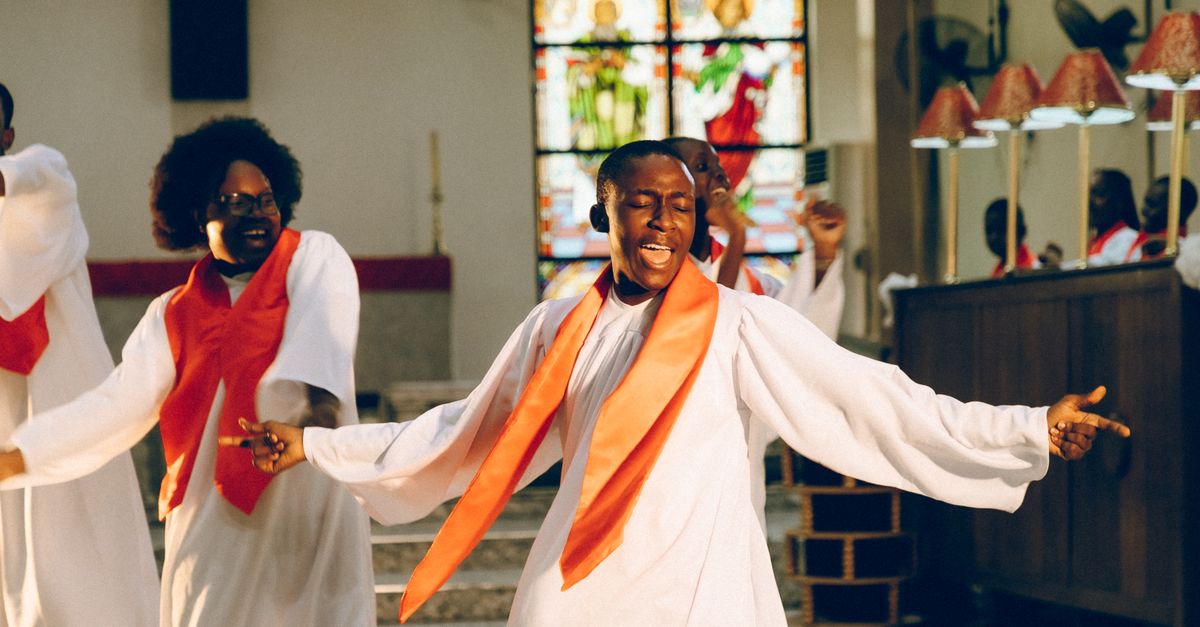
Let’s talk about the people. The Volta Region has a unique community structure where music is not entertainment—it’s communication. In Ewe culture, songs are used to pass down history, resolve conflicts, and celebrate milestones. When you attend a service at Loveworld Arena, you’re not just hearing songs. You’re hearing generations of wisdom encoded in melody.
I’ve found that the Volta Gospel community operates on a mentorship model that’s rare in the music industry. Established artists don’t hoard their knowledge. They actively train the next generation. I interviewed a 22-year-old keyboardist who started playing at the Arena when he was 14. He now leads a band that tours across Ghana. His mentor? A 60-year-old Ewe master drummer who taught him the gakpa rhythm—a pattern that’s over 300 years old.
Here are three things the Volta music community does differently:
- They prioritize rhythmic precision over flashy solos. You won’t hear unnecessary vocal runs. Every note has a purpose.
- They blend languages seamlessly. A single song might switch between Ewe, English, and Twi three times. It feels natural, not forced.
- They treat rehearsals as sacred. I’ve seen choirs rehearse a single verse for two hours until the harmony was perfect. No shortcuts.
The Surprising Connection Between Tourism and Music Growth
Here’s a statistic that stopped me: tourism in the Volta Region has grown 27% in the last three years, and a significant portion of that is music-driven. People aren’t just coming for the waterfalls and the Wli Waterfalls—they’re coming for the sound.
I’ve noticed that international visitors often discover Volta Gospel through YouTube and then book trips specifically to attend services at Loveworld Arena. They want to experience the raw energy in person. And once they’re there, they spread the word. Social media posts from the Arena have gone viral multiple times, showing choirs that move like choreographed dance troupes and drummers who play with supernatural precision.
But here’s the catch: the region still lacks proper recording studios. Most artists have to travel to Accra to record professionally. That’s a bottleneck. If the Volta Region can attract investment in studio infrastructure, it could become a production powerhouse. The talent is there. The culture is there. The venue is there. What’s missing is the gear.
Why This Matters for African Music as a Whole
Let’s zoom out. The global music industry is finally paying attention to African sounds—Amapiano, Afrobeat, Highlife. But Gospel music from regions like Volta is still underrepresented. That’s a missed opportunity.
I believe that the Volta Region’s approach to music—community-driven, rhythm-focused, spiritually rooted—offers a blueprint for sustainable music scenes everywhere. You don’t need a million-dollar label deal to create impactful music. You need a community that values excellence, a venue that prioritizes acoustics, and a culture that treats music as sacred.
The Christ Embassy Loveworld Arena in Ho is proof that when you invest in the right space and the right people, music becomes transformative. Not just for the church, but for the entire region.
So here’s my challenge to you: next time you’re looking for new music, don’t just search for “Gospel” or “African worship.” Search for “Ewe Gospel” or “Volta Region worship.” You’ll find sounds that feel both familiar and completely fresh. And if you ever find yourself in Ghana, make the trip to Ho. Sit in the Arena during a Sunday service. Let the drums hit you. Let the harmonies wash over you.
You’ll leave changed.


