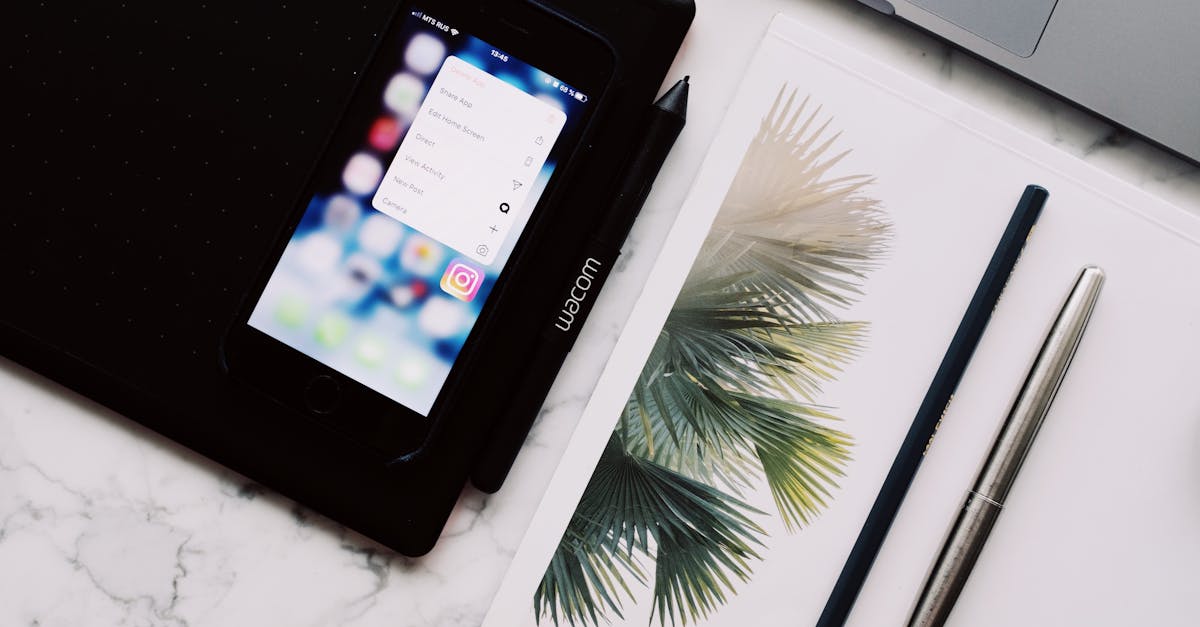
The average person checks their phone 96 times a day. That’s once every ten minutes, assuming you sleep a solid eight hours. But here is the statistic that actually broke my brain: we touch our phones 2,617 times in a single 24-hour period. Not "use," but touch. That number isn't from a doom-scrolling horror story; it’s from a study by dscout that tracked actual user behavior. We are living in a state of constant, low-grade digital interruption, and we don't even realize the cognitive toll it's taking.
So, I did the one thing that terrifies modern society more than public speaking: I turned it all off. Not for an afternoon. Not for a "mindful weekend." I went cold turkey for seven full days. No Instagram, no email, no news alerts, no "quick" Wikipedia rabbit holes. Just me, my thoughts, and the terrifying silence of a world that doesn't ping.
Here is exactly what happened to my brain when I finally logged off—and why the first 48 hours feel like withdrawal from a hard drug.
The Hangover: Day 1-2 (The Dopamine Crash)
Let’s be honest: the first two days were miserable. I felt phantom vibrations in my leg where my phone used to be. I caught myself reaching for my pocket to check "something" about a dozen times an hour. This isn't a lack of willpower; it's neuroscience. Every like, every notification, every red badge delivers a tiny hit of dopamine—the neurotransmitter associated with pleasure and reward.
When you remove that stimulus abruptly, your brain goes into a state of deficit. I experienced irritability, restlessness, and a weird, hollow anxiety. It felt like I was forgetting to do something crucial, even though I had nothing to do. This is the "extinction burst"—the exact same neurological pattern seen in rats when you remove a cocaine lever. Your brain is literally screaming for the next hit.
Here’s what most people miss: that anxiety isn't you missing your friends. It's your brain craving the novelty. Our brains are wired to seek out new information because, evolutionarily, novel stimuli meant potential food or danger. The internet has hijacked this survival mechanism, turning it into an infinite slot machine. On day two, I realized I wasn't bored; I was just experiencing a neurological withdrawal symptom.
The Fog Clears: Day 3-4 (The Default Mode Network Awakens)

By the third day, something shifted. The noise in my head started to quiet down. I noticed I could sit on my couch and just... look out the window without feeling the urge to document it or check if anyone else was looking out their window. This is when your Default Mode Network (DMN) kicks back into gear.
The DMN is the brain system that activates when you're not focused on an external task. It’s responsible for daydreaming, self-reflection, and creative problem-solving. When you’re constantly scrolling, you’re suppressing the DMN because you're always passively consuming external input. You never let your brain "wander" to connect dots.
On day four, I had a spontaneous memory of a recipe I hadn't thought about in years. I suddenly understood a plot hole in a book I read last month. I solved a work problem that had been nagging me for weeks—not by thinking harder, but by letting my brain breathe. It felt like my mind was a cluttered desk that had finally been cleared off. The creativity didn't come from nowhere; it was just that the mental RAM had been freed up from processing useless status updates.
The Boredom Paradox: Day 5 (Why Boredom Is Essential)
Let's talk about the "B" word. Boredom gets a terrible rap. We treat it as an enemy to be defeated at all costs. But here is the secret that the productivity gurus don't tell you: boredom is the gateway to deep focus.
When you're bored, your brain is actively searching for stimulation. If you don't provide it with a screen, it will start generating its own content. This is where the magic happens. On day five, I found myself sitting in a park for an hour, just watching ants. Not in a weird, documentary-maker way, but in a genuinely fascinated way. I noticed the texture of the bark, the angle of the sun, the sound of the wind—things that had been invisible to me because my eyes were glued to a 6-inch glass rectangle.
This is a state called "flow" by Mihaly Csikszentmihalyi. It’s the mental state where you're fully immersed in an activity. You can't hit flow while multitasking between a Slack message and a TikTok video. You can only hit it when you allow yourself to be "under-stimulated" to the point where your mind digs deeper to find engagement. I wrote three pages of journal entries on day five—more than I had written in the previous three months combined.
Rewiring the Reward System: Day 6-7 (The Return of Patience)

By day six, I noticed a profound change in my patience levels. I watched a movie without checking my phone once. I read 50 pages of a book in a single sitting—something I hadn't done since college. My attention span, which I assumed was permanently fried, was actually just... out of shape.
The brain is plastic. It can rewire itself. When you stop feeding it the rapid-fire, 15-second bursts of information, it remembers how to process long-form, linear content. Conversations became more fulfilling because I wasn't half-listening while mentally composing a witty reply. The grey, fuzzy static that usually clouded my thinking was gone.
Here’s what I found most surprising: I didn't miss the world. I missed the feeling of being connected, but the actual content was mostly noise. When I looked at the news on day seven, it felt overwhelming and loud. The constant alerts felt like an assault on my senses. It was a stark reminder that the digital world is designed to be addictive, not informative.
The "New Normal" (And Why You Should Try It)
I’m not going to lie and tell you I’ve thrown my smartphone into the ocean and now live in a cabin writing poetry by candlelight. I have my phone back. But I’m not the same person who put it away.
The biggest change? I now treat my phone like a tool, not a companion. I’ve turned off all non-human notifications. I keep the screen grayscale to kill the dopamine candy appeal. I schedule "boredom blocks" into my day where I just sit without a device.
But here is the real takeaway: you don't need to do a full week to see results. Even a 24-hour fast resets your dopamine sensitivity. Try the "phone in another room" rule during dinner. Take a walk without your AirPods. You might be shocked at how loud your inner voice is—and how much you actually like listening to it.

The question isn't "Can you survive without your phone?" It's "Who are you when the algorithm isn't telling you what to think about?"
Are you brave enough to find out?




