Here’s the thing: the average person checks their phone 96 times a day. That’s not a typo. Ninety-six times. We touch, swipe, and scroll more than we breathe deeply. And yet, we wonder why our prayers feel hollow, why our spiritual lives feel like static on a broken radio. We’re trying to hear God over the ping of a Slack notification, the buzz of a TikTok dance, and the relentless drip of bad news. Let’s be honest: you can’t fill a cup that’s already overflowing with noise.
I’ve found that the most profound spiritual growth doesn't happen in a worship service. It happens in the silence you didn’t think you could survive. So, if your soul feels dry—if your faith feels like a chore—maybe the problem isn’t your theology. Maybe it’s your Wi-Fi.
The Hidden Cost of Constant Connectivity on Your Faith
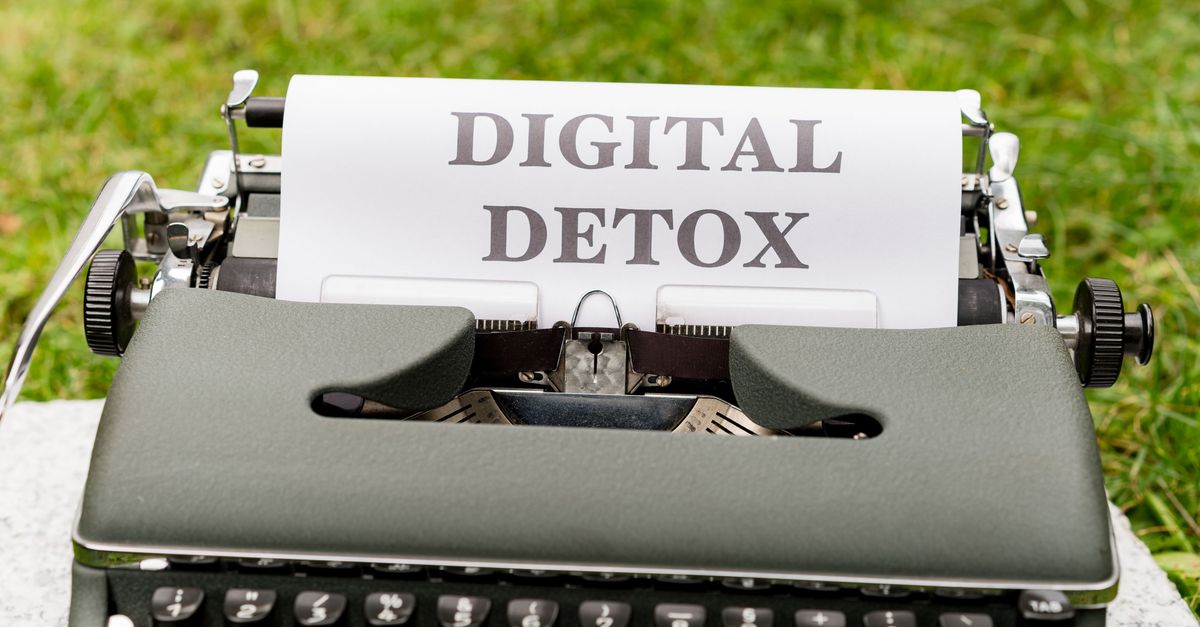
We talk about "digital detox" like it’s a trendy spa package. But for those of us walking a faith path, the cost of constant connectivity isn’t just lost time—it’s lost presence.
Here’s what most people miss: Your brain cannot multitask. When you’re scrolling Instagram during your morning devotional, you aren’t "saving time." You’re training your soul to be shallow. Neuroscience backs this up. Every notification triggers a tiny dopamine hit. Over time, your brain rewires itself to crave the quick fix of the new over the deep satisfaction of the eternal.
I noticed this in my own life. I’d sit down to pray, and my hand would instinctively reach for my phone. I wasn’t even looking for anything—just the habit of distraction. My spiritual connection wasn't broken; it was just buried under 47 unread emails and a group chat about someone’s cat.
The spiritual truth is brutal: You cannot be filled by the Holy Spirit if you are constantly emptying yourself into the digital void.

How to Unplug Without Losing Your Mind (or Your Friends)
I’m not going to tell you to throw your phone in a lake. That’s impractical and expensive. But I am going to ask you a hard question: What are you afraid of missing?
When I first tried a digital detox, I panicked. What if someone needed me? What if I missed a viral meme? (Spoiler: I survived. The memes didn’t.)
Here’s a practical framework that actually works for strengthening spiritual connection:
1. The "Sabbath Window" (Not the Sabbath Day) Start small. Pick one 3-hour block on a Saturday or Sunday. No screens. No email. No news. Use that time for one thing: walking in nature, reading a physical Bible, or writing in a journal. The goal isn’t to be productive—it’s to be present.
2. The "First Fruits" Rule Before you check your phone in the morning, set a timer. 10 minutes. Use that time to sit in silence, pray, or meditate on a single verse. Your phone is a servant, not your master. You decide when it speaks.
3. The "Sacred Space" Designate one room or chair in your house as a "no-device zone." My husband and I have a rule: the kitchen table is for food and conversation only. No phones. No tablets. It’s amazing how much deeper your conversations get when you aren’t glancing at a screen.
I’ve found that the resistance you feel to these rules is the exact place where your soul needs healing. If you can’t sit still for 10 minutes without your phone, you have a spiritual problem, not a time management problem.
The Surprising Link Between Boredom and Divine Connection
Here’s a little-known fact: The early desert monks (the original spiritual influencers) intentionally sought out boredom. They called it acedia—a restless, listless feeling. They didn’t run from it. They sat with it. And in that uncomfortable silence, they encountered God.
We have lost the art of being bored. The moment a lull hits—a red light, a waiting room—we reach for the dopamine drip. But boredom is the soil where deep prayer grows.
I remember driving without music for the first time in years. I was uncomfortable. My brain kept screaming for a podcast. But after about 15 minutes of silence, I started talking to God. Not praying at Him. Talking with Him. It was messy, raw, and real. It was the most honest conversation I’d had with my Creator in months.
We don’t need more information. We need more silence. The Psalmist didn’t write, "Be still and check your notifications." He wrote, "Be still, and know that I am God." (Psalm 46:10). The stillness comes before the knowing.
What You’ll Actually Find When You Unplug
Let me be real with you: The first few days will suck. You’ll feel phantom vibrations in your pocket. You’ll wonder if you’re missing something important. You’ll be tempted to "just check one thing."
But if you push through, here’s what you’ll find:
- You’ll stop comparing your messy life to everyone’s highlight reel. That alone is worth the detox.
- You’ll hear God’s voice again. Not in a dramatic, burning-bush way. But in the gentle whisper. In the sunset you actually looked at. In the prompting to call a friend you’ve been ignoring.
- Your prayers will shift from a grocery list to a relationship. You’ll stop asking for things and start enjoying His presence.

The One Thing You Need to Do Right Now
Alright, let’s wrap this up. You’ve read the article. You know the stats. You feel the conviction. But knowing and doing are two different things.
Here’s your assignment: Schedule your detox for tomorrow. Not next week. Not next month. Tomorrow. Pick a 2-hour window. Put your phone in another room. Turn off the notifications. And just be with God.
Don’t worry about the "right way" to pray. Don’t worry about how long you should meditate. Just sit there. If you get bored, good. That’s the door. Walk through it.
Your soul is starving for the silence you keep avoiding. The world will still be there when you come back. But you might not be the same person who left.
So, what’s it going to be? Are you brave enough to unplug? Because your spiritual connection isn't going to strengthen itself while you’re scrolling.