Let’s be honest: I thought I was above the addiction.
I’d scroll through my Instagram feed, rolling my eyes at those “digital detox” influencers posing with a paperback book on a mountain top, captioned something like “Reconnecting with the real world.” Give me a break. I’m a blogger. My phone is my office, my camera, my social lifeline, and my primary source of dopamine. I told myself I needed the constant notifications. I was a professional multi-tasker.
Then last Tuesday happened.
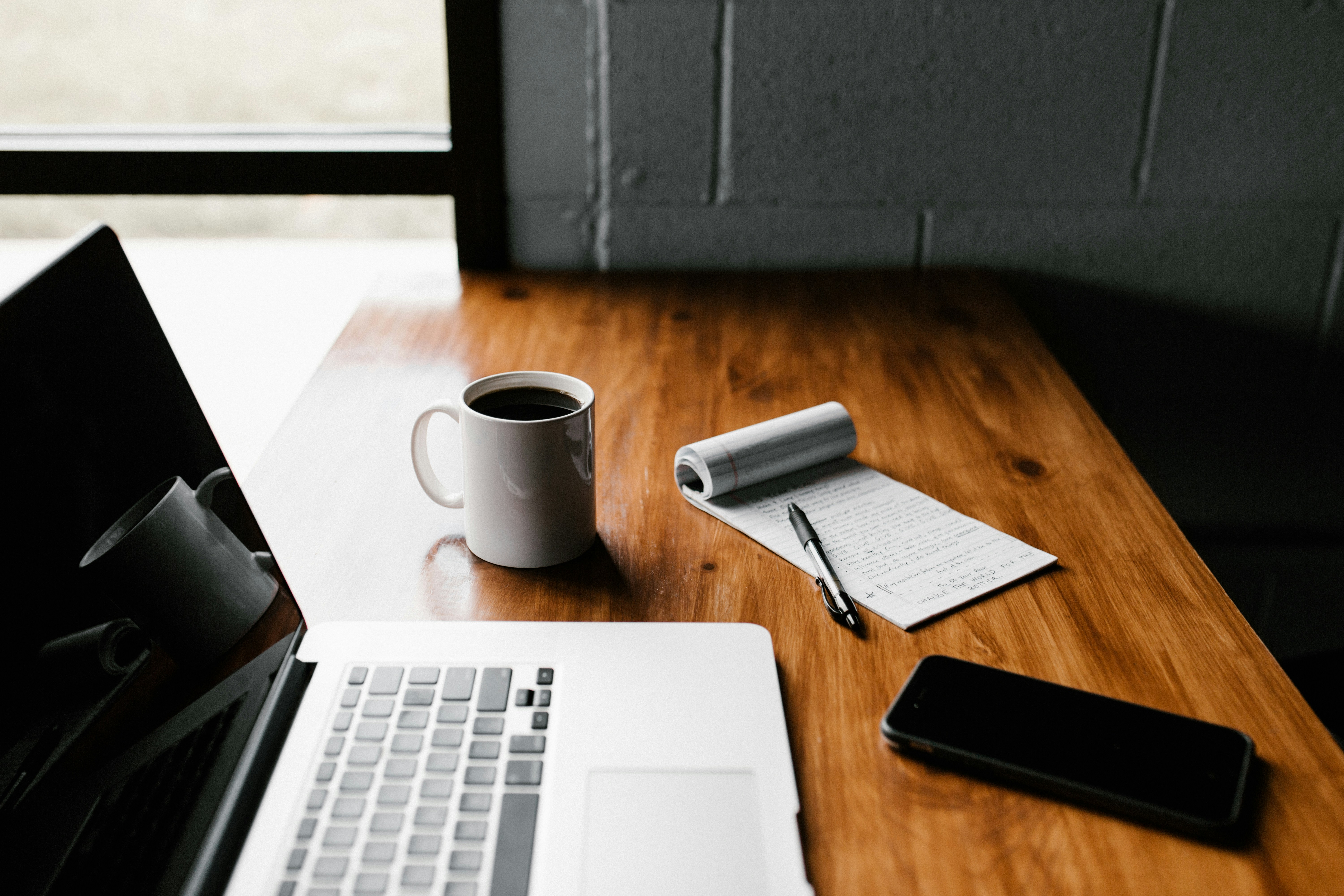
I was sitting in my favorite coffee shop, phone in hand, thumb hovering over a tweet, when I realized I had no idea what my coffee tasted like. I had been physically present for twelve minutes but mentally absent the entire time. I wasn’t living my life; I was curating a highlight reel of it in real-time. That’s when I decided to do something stupid. I turned it off.
For seven days. No smartphone. No apps. No screen. Here is the raw, sometimes embarrassing, truth about what happened.
The First 48 Hours Were Pure Withdrawal (And I Found My Brain)
The first day was a nightmare. I’m not exaggerating. My hand twitched. I reached for my pocket every three minutes. I felt phantom vibrations against my thigh — that buzzing sensation that isn’t even real. I was irritable, jumpy, and honestly, a bit of a jerk to my partner.
Here’s what most people miss about the first phase of a digital detox: it’s not boredom you feel. It’s withdrawal. Your brain has been conditioned to expect a hit of novelty every seven seconds. When you remove that, your brain screams.
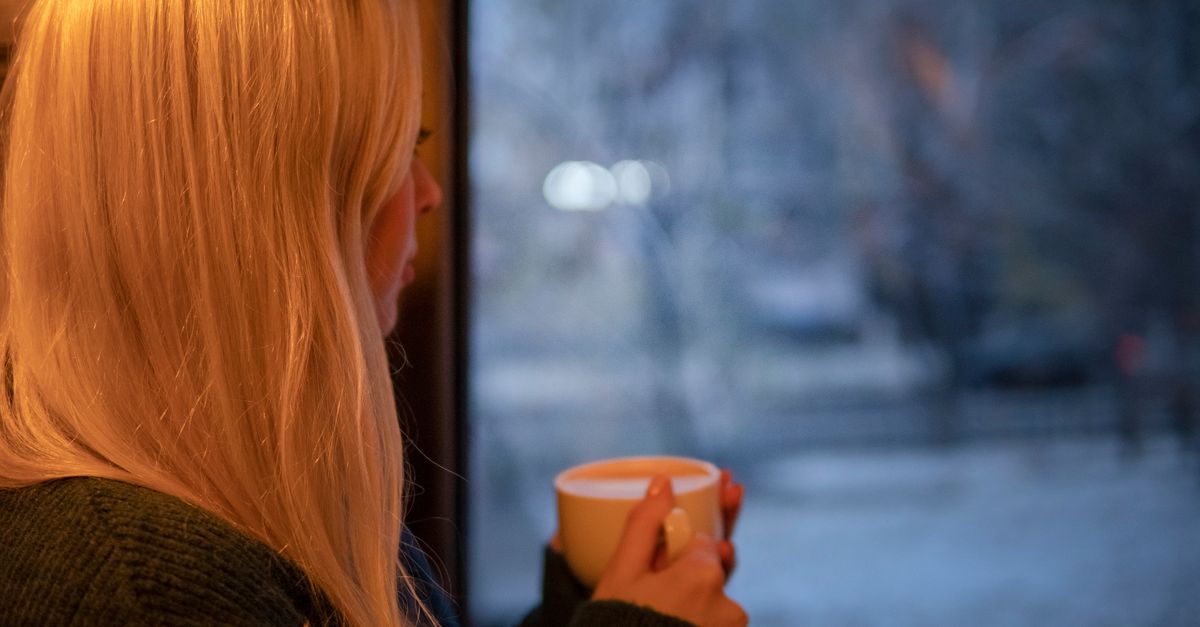
By the second day, the screaming stopped. And then… silence. Real, uncomfortable, beautiful silence.
I sat on my balcony for thirty minutes. Just… sitting. I started noticing the texture of the brickwork on the building across the street. I heard a bird. I had a thought that wasn’t prompted by a headline. It felt weird. It felt like I was a teenager again, before the world was in my pocket.
The Surprising Thing I Did With All That “Free Time”
Everyone asks: “What did you do with all your time?”
I expected to write a novel, learn Spanish, or build a shed. I did none of those things. I did something far more revolutionary.
I got bored.
And I let myself stay bored.
We panic when we are bored. We reach for the phone to fill the void. But boredom is the compost heap of creativity. I found myself staring at a blank wall for ten minutes, and then... an idea popped into my head. A real idea for a blog post. Not a reaction to a trending topic, but an original thought.
Here’s the truth I discovered: Smartphones don't save time; they steal attention. They fill every micro-moment with noise. Without that noise, I started doing things slowly. I cooked a meal that took two hours. I read a book for an hour without checking the footnotes. I had a conversation with a friend where I didn’t look at my watch once.

The Social Awkwardness of Being “Offline”
Let’s talk about the social aspect, because this was the hardest part.
I met a friend for dinner. I arrived early. There was no phone to hide behind. I just sat there, looking at the table, feeling incredibly exposed. When my friend arrived, I realized something shocking: I was fully present. I didn’t zone out while she was talking. I didn’t interrupt her story to show her a meme. I listened.
But I also missed things. I missed a group chat about a party. I missed three important emails. I accidentally stood someone up because I couldn't check my messages.
The social cost of being truly digital-free is real. You become unreliable to the algorithm. You fall out of the loop. But here’s the trade-off: the interactions you do have are richer. You trade 100 shallow connections for 3 deep ones.
What I Learned About Dopamine and “The Scroll”
I’ve found that the biggest lie we tell ourselves is that we use our phones for “information.” We don’t. We use them for dopamine.
Every swipe, every like, every notification gives you a tiny squirt of that feel-good chemical. It’s a slot machine in your pocket. During my week off, I learned what it felt like to have a steady, low baseline of happiness instead of a spike-and-crash cycle.
By day five, I wasn’t checking for messages because I didn’t care. The urgency was gone. The FOMO (Fear Of Missing Out) had been replaced by JOMO (Joy Of Missing Out).
The most shocking realization? I didn’t miss the news. I didn’t miss the arguments. I didn’t miss the endless stream of someone’s vacation photos. I missed people. I missed connection. And I realized I could have that connection without the device.
The 3 Secrets to a Digital Detox That Actually Works
You don’t need to throw your iPhone in a river. You don’t need to move to a cabin in the woods. But if you want to try this, here are the three things that actually made my week successful:
- Tell People You Are Doing It. The biggest anxiety is “What if someone needs me?” I sent a text to my top 5 contacts: “Going offline for a week. I’m fine. Call me if the world is ending.” The world didn’t end. No one needed me that badly.
- Replace the Habit, Not Just the Device. You can’t just sit there staring at a wall. You’ll go crazy. Replace the “pick up phone” habit with a “pick up book” or “pick up guitar” habit. Your hands need something to do.
- Use a Real Alarm Clock. This is the biggest hack. If your phone is your alarm clock, you will check it in the morning. Buy a $10 alarm clock. Keep your phone in a different room. It changes everything.
So, Did It Change Everything?
Yes. And no.
I am back on my phone now. I’m writing this on my laptop while Spotify plays in the background. I’m not a convert to the Amish lifestyle.
But something did change. I broke the compulsion.
I no longer reach for my phone when I’m waiting in line. I no longer sleep with it next to my bed. I have a new mental firewall. I treat my phone like a tool, not a pacifier. The week showed me that I am in control of my attention, not the other way around.
The real question isn’t “Can you live without a smartphone?” The real question is: What are you missing while you’re looking at yours?
Try it. Even for 24 hours. You might be shocked by what you find in the silence.