A small new study suggests that eating peanuts every day may alter how the brain region responsible for forming memories responds to insulin, according to reporting by الشرق الأوسط. The findings, published in the journal Food and Function and covered by The Independent, could eventually inform dietary guidance for people at risk of Alzheimer's disease.
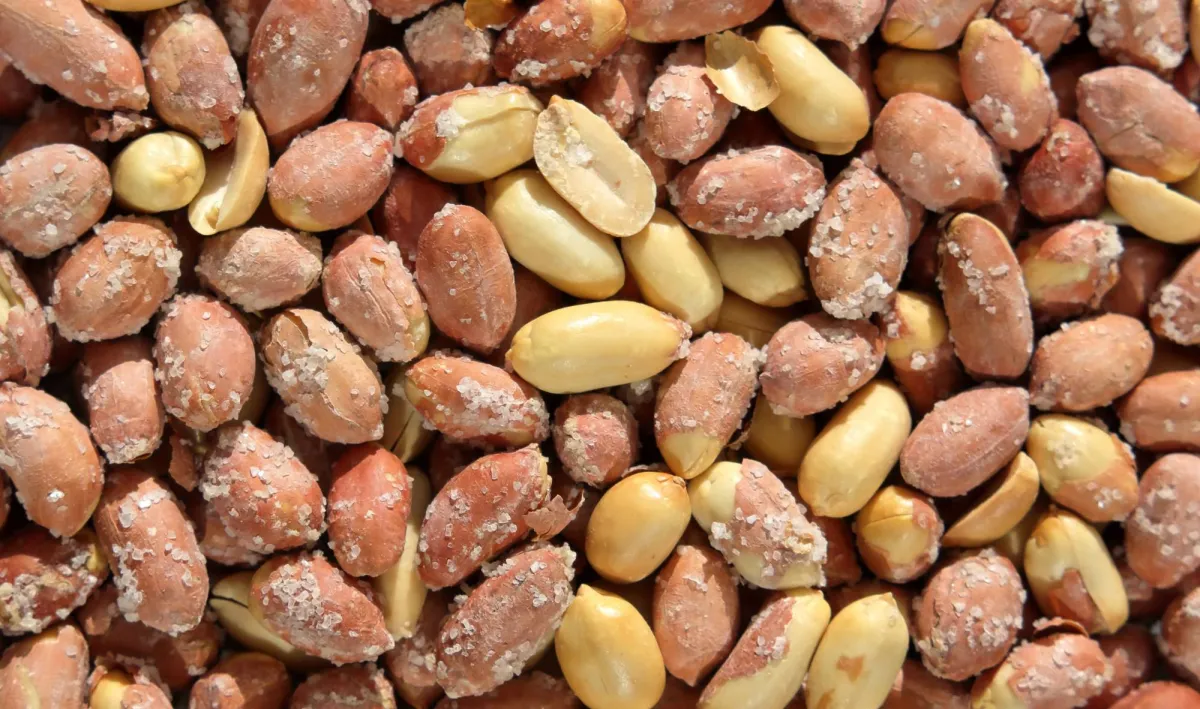
The trial involved 31 healthy adults between the ages of 60 and 75. Each participant ate 60 grams of roasted, unsalted peanuts in their shells daily — roughly two servings — for 16 weeks. The peanuts were supplied in pre-weighed packages for the duration of the study.
Participants could eat them in the morning or the afternoon and fit them into their routine however they preferred, either finishing the portion in one sitting or spreading smaller amounts across the day. Researchers measured brain health using MRI scans and compared results under both eating patterns.
Why it matters
Insulin is best known for regulating blood sugar, but it also plays an essential role in the brain, where it helps neurons grow, survive and communicate with one another. That process underpins memory formation and other cognitive abilities. Earlier research has indicated that healthy insulin signalling in the brain may protect against processes linked to Alzheimer's disease.
Peter Joris, one of the study's authors, explained the stakes. He said insulin supports memory and other cognitive operations, and that the brain's response to the hormone can decline with age — a change associated with age-related cognitive decline.
According to الشرق الأوسط, the researchers found that daily peanut consumption had a positive effect on insulin response in memory-related brain areas among older adults.
What the scans showed
Over the 16 weeks, total blood flow in the brain rose by about 4 percent, and insulin response improved in memory-related regions, including the hippocampus, the study found.
Joris said the results suggest that better insulin response in specific brain areas may help explain the cognitive benefits seen from eating roasted, unsalted peanuts in their shells.
The scientists attribute the observed effects to a combination of components in peanuts rather than to any single nutrient. Joris said several nutrients in peanuts — among them unsaturated fats, dietary fibre, vitamins, minerals and bioactive plant compounds — may contribute to the brain benefits.
He also noted that peanuts are a good source of plant protein and are particularly rich in arginine. Arginine is a key precursor for producing nitric oxide, which has been reported to facilitate learning and support memory performance.
Context and caveats
The study is small, with 31 participants, and the reporting does not describe a control group or a comparison with a placebo, so the results should be read as preliminary. The participants were healthy adults in a defined age range, meaning the findings may not extend to other populations.
Still, the research adds to a growing body of work on how diet influences brain insulin signalling in later life. The authors say the results point to a possible role for roughly 60 grams of roasted, unsalted peanuts in their shells per day over 16 weeks in supporting the brain's response to insulin in older adults.
What to watch: whether larger, controlled trials confirm the effect and whether the findings feed into dietary recommendations for people at elevated risk of Alzheimer's disease.





