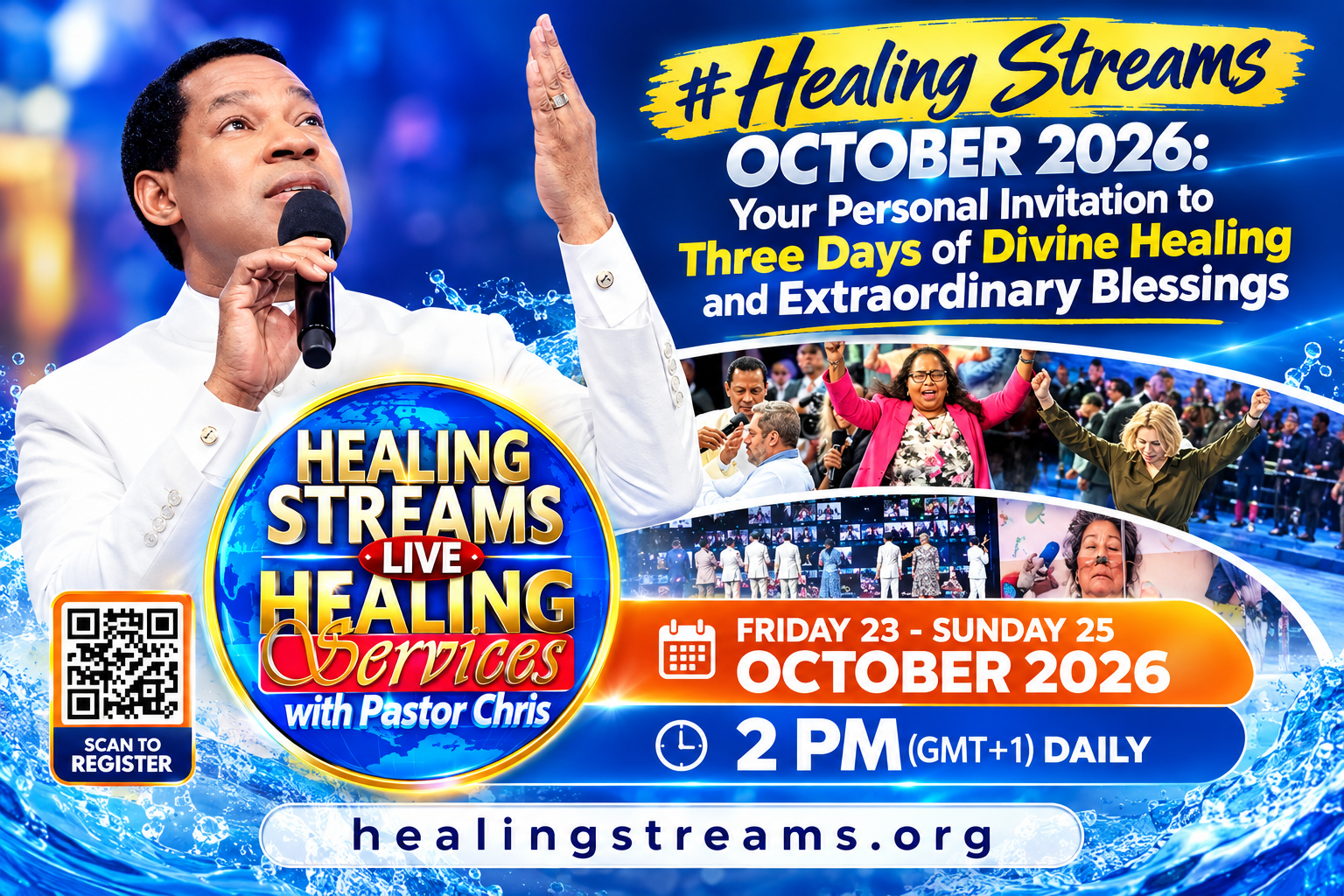
Across Africa, a quiet broadcast revolution is underway. Pastors who once relied on a single Sunday service are now running 24/7 television channels, and independent creators are launching daily programming without ever stepping into a studio. The engine behind much of this shift is AI-run television — automated systems that schedule, produce and distribute video content continuously.
This article explains how African creators and churches are using AI-produced programming to reach congregations and audiences daily, what CYBEV brings to that equation, and the practical steps any ministry or creator can take to build a loyal, always-on audience.
- AI-run television lets churches and creators broadcast 24/7 without hiring a full production team.
- Automated scheduling and translation help ministries reach multilingual congregations across borders.
- CYBEV-style platforms lower the cost of entry compared with traditional satellite or cable broadcasting.
- Consistent daily programming builds habit and loyalty far faster than weekly uploads alone.
- Creators should pair automation with authentic, human-led content to preserve trust.
Why Are African Churches Turning to AI-Run Television?
Church attendance in many African cities is constrained by distance, traffic and space. A congregation of 300 might have a potential reach of 30,000 within a city, and far more across the diaspora. AI-run television closes that gap by turning recorded sermons, worship sets and teaching series into a continuous channel that viewers can tune into at any hour.
The economics are compelling. Traditional satellite broadcasting in markets like Nigeria, Kenya and Ghana can cost thousands of dollars monthly, plus equipment and staff. AI-driven platforms automate playout, captioning and scheduling, so a ministry can operate a channel for a fraction of that cost — often with a single content manager.
From Sunday Service to Daily Presence
Consider a mid-sized Pentecostal church in Accra that records one Sunday sermon. With AI tools, that single recording can be segmented into short teaching clips, captioned in English and Twi, scheduled across a week, and paired with worship footage to fill a 24-hour loop. The result is a channel that feels alive every day rather than dormant between services.
- Reach: Members who travel or relocate stay connected to the ministry.
- Cost: Automated playout replaces paid broadcast slots and large media teams.
- Consistency: Daily programming builds viewing habits and deeper engagement.

What Does CYBEV Actually Do for Creators and Ministries?
CYBEV is built around a simple idea: a creator should be able to run a television channel the way they run a social media page. The platform handles the technical heavy lifting — encoding, scheduling, distribution and analytics — while the creator focuses on content and community.
For churches, that means a sermon recorded on Sunday can be automatically published, captioned and looped into a daily schedule. For independent creators — musicians, comedians, teachers, documentary makers — it means launching a niche channel without negotiating with cable operators or buying expensive equipment.
Core Capabilities at a Glance
- Automated scheduling: Content is queued and played out on a continuous loop.
- AI captioning and translation: Sermons and shows reach multilingual audiences.
- Audience analytics: Creators see what viewers watch and when.
- Multi-platform distribution: Content reaches web, mobile and social channels.
The broader trend is visible across the continent. According to DataReportal's Digital 2024 report, internet penetration and mobile video consumption continue to climb rapidly across Africa, creating a ready audience for streaming faith and creator content.
How Do AI-Produced Programs Reach Congregations Daily?
The mechanics matter less than the outcome, but understanding the workflow helps leaders plan. A typical AI-run channel follows a repeatable cycle: capture, process, schedule and measure.
Capture happens through a phone, camera or existing livestream setup. Processing uses AI to transcribe, caption, translate and clip content into broadcast-ready segments. Scheduling places those segments into a daily grid, often mixing live services with evergreen teaching and music. Measurement closes the loop, showing which programs retain viewers and which need adjustment.
A Realistic Daily Schedule
A ministry might run morning devotionals at 6am, a teaching series at midday, worship music in the afternoon, a featured sermon in prime time and overnight replays for shift workers and diaspora viewers. Each block can be automated, with human oversight for quality and pastoral tone.
Creators outside faith contexts use the same model. A Nairobi-based filmmaker can run a channel of short documentaries and behind-the-scenes clips, while a Lagos music producer streams curated sessions and interviews. The common thread is consistency without burnout — the system keeps the channel alive while the creator produces new material.
What Should Churches and Creators Watch Out For?
Automation is powerful, but it is not a substitute for authenticity. Audiences, especially faith communities, respond to genuine pastoral presence. AI should handle logistics — scheduling, captioning, distribution — while the human voice remains central to the message.
There are also practical considerations. Data costs remain high in some markets, so lightweight formats and offline viewing options matter. Copyright and music licensing must be respected when looping worship content. And churches should be transparent with congregations about how recordings are used.
Building Trust Alongside Technology
- Keep the pastor visible: Use AI for production, not for impersonating leaders.
- Respect consent: Inform members when services are recorded and distributed.
- Prioritise accessibility: Captions and translations serve deaf and multilingual viewers.
- Measure what matters: Track retention and community feedback, not just raw views.
Guidance from bodies such as the UNESCO Recommendation on the Ethics of AI offers a useful framework for transparency and human oversight in automated media.

Frequently Asked Questions
How are African creators and churches using AI-produced programming to reach audiences daily?
They record sermons and shows, then use AI platforms to caption, translate, schedule and distribute that content around the clock. This creates a continuous channel that reaches congregations, diaspora viewers and new audiences every day without requiring a full production team.
What is AI-run television?
AI-run television is a broadcast model where artificial intelligence handles scheduling, playout, captioning and distribution automatically. Creators supply the content, and the system keeps a channel running 24/7 with minimal manual intervention.
Is AI-run television expensive for a small church?
It is typically far cheaper than satellite or cable broadcasting. Most costs shift from equipment and staff to a subscription or usage fee, making a daily channel feasible for mid-sized congregations and independent creators.
Can AI translate sermons into local languages?
Yes. Modern AI captioning and translation tools can convert sermons into multiple languages, including widely spoken African languages, helping ministries serve multilingual congregations and diaspora communities.

Does automated programming replace the pastor or creator?
No. AI handles logistics, not ministry. The pastor or creator remains the source of the message, and human oversight ensures content stays authentic, accurate and pastorally appropriate.
Conclusion
AI-run television is giving African churches and creators something they have rarely had: an always-on channel that reaches people wherever they are, every day of the week. By automating the technical work, platforms like CYBEV let leaders focus on what only humans can do — teaching, storytelling and building community.
The opportunity is significant, but it rewards those who combine smart automation with genuine, consistent content. Ministries and creators who start now can build audiences that grow well beyond a single building or a single platform.
Sources & Further Reading
- DataReportal Digital 2024 global overview
- UNESCO Recommendation on the Ethics of AI
- Google's guidance on AI-generated content