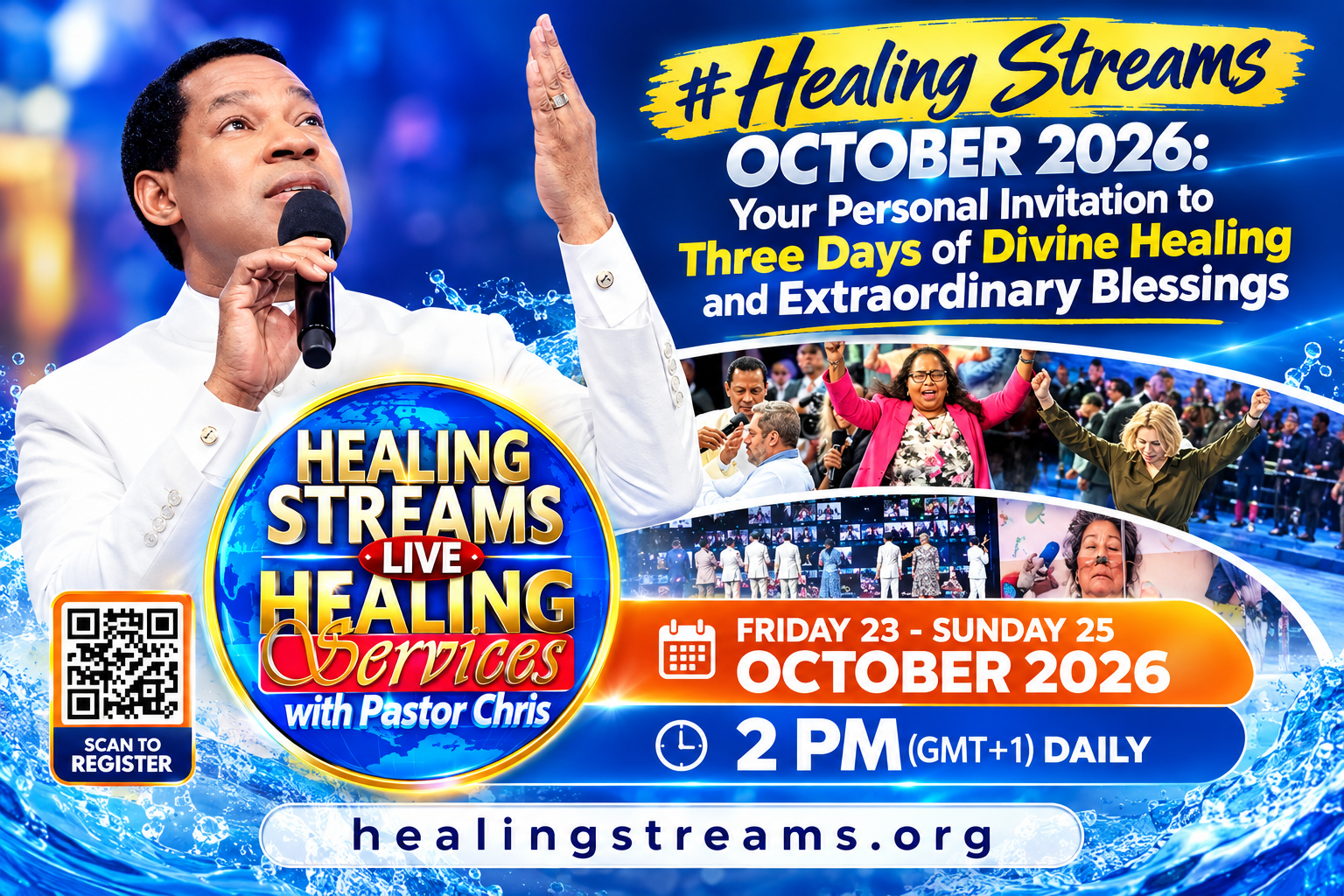
The relationship between faith and media is a dynamic and evolving landscape that shapes cultural narratives and influences public perception. In this exploration, we delve into the significant intersections of these two realms, highlighting trends, insights, and the implications for society. Readers will gain a deeper understanding of how faith informs media representations and vice versa.
With various voices contributing to this discourse, the article aims to illuminate the complexities and nuances of how faith is portrayed and engaged within media, making it a crucial read for those interested in culture and communication.
- Faith plays a crucial role in shaping media narratives.
- Media representations of faith can influence societal attitudes.
- Understanding faith and media dynamics is essential for cultural literacy.
- Current trends indicate a shift towards more diverse faith portrayals.
- Engagement with faith in media fosters dialogue and understanding.
How Does Faith Influence Media Representations?
The influence of faith on media representations is profound, shaping how stories are told and perceived. Faith narratives often provide a framework for understanding complex human experiences, offering hope, morality, and a sense of community. For instance, the portrayal of religious figures in films and television shows can significantly impact public perception and acceptance of different faiths.
Case Study: Faith-Based Films
Consider the success of films like 'The Passion of the Christ', which not only enjoyed commercial success but also sparked conversations about faith and spirituality in mainstream media. Such films showcase how faith can be a powerful storytelling tool, resonating with audiences on emotional and spiritual levels.
- Faith-based narratives can foster connection among viewers.
- They challenge stereotypes and promote understanding.

What Trends Are Emerging in Faith and Media?
Recent years have seen a notable shift in how faith is represented in media, moving towards more diverse and authentic portrayals. This trend is significant as it reflects changing societal attitudes towards different religions and spiritual practices. Media platforms are increasingly showcasing a wider array of faith experiences, from traditional beliefs to contemporary spiritual movements.
Diversity in Representation
For example, streaming services now feature a range of documentaries and series that explore various faith traditions, such as 'Ramy', which delves into the life of a Muslim-American navigating faith and culture. This diversity allows for richer storytelling and greater visibility for underrepresented groups.
- Greater inclusivity in faith narratives.
- Increased demand for authentic storytelling.
Why Is Understanding This Intersection Important?
Understanding the intersection of faith and media is vital for several reasons. First, it enhances cultural literacy, allowing individuals to navigate complex societal landscapes. Second, it fosters empathy and dialogue, essential components in an increasingly polarized world. Awareness of how faith influences media narratives can help audiences critically engage with content and challenge preconceived notions.
The Role of Media Literacy
Media literacy initiatives, focusing on faith representations, are crucial in educating audiences about the implications of these portrayals. Programs aimed at critical engagement with media can empower individuals to discern biases and appreciate the multifaceted nature of faith.
- Media literacy promotes informed and critical consumption.
- It encourages respectful dialogue about faith and beliefs.
What Happens Next in the Faith and Media Landscape?
As we look to the future, the dialogue surrounding faith and media is expected to continue evolving. Emerging technologies, such as virtual reality and social media, are poised to further shape how faith is experienced and expressed. These platforms offer new opportunities for engagement and storytelling, allowing for a more interactive exploration of faith narratives.

Future Directions
Incorporating diverse voices and perspectives in media production will be essential for an authentic reflection of the global faith landscape. As audiences demand more representation, content creators will need to adapt to these expectations, fostering a more inclusive media environment.
- Increased collaboration between faith leaders and media professionals.
- Expansion of faith-based content across platforms.
Frequently Asked Questions
What is the significance of faith in media?
Faith shapes narratives and influences how stories are told, impacting societal attitudes and perceptions.
How are portrayals of faith changing in media?
Portrayals are becoming more diverse and authentic, reflecting a wider array of faith experiences and practices.
Why is media literacy important in understanding faith narratives?
Media literacy helps individuals critically engage with content, fostering empathy and informed dialogue about faith.

What trends are emerging in the intersection of faith and media?
Emerging trends include increased inclusivity and demand for authentic storytelling in faith representations.
Conclusion
The cultural spotlight on faith and media reveals a rich tapestry of narratives that significantly influence public perception and societal dialogue. As media continues to evolve, the importance of understanding this intersection cannot be overstated. Engaging with these narratives fosters greater empathy and awareness, encouraging a more inclusive and informed society.
As we navigate the complexities of faith and media, audiences are urged to critically engage with the content they consume, promoting understanding and respect across diverse cultural landscapes.
Sources & Further Reading
- Explore more about faith and media
- Learn about media literacy programs
- Discover trends in cultural narratives