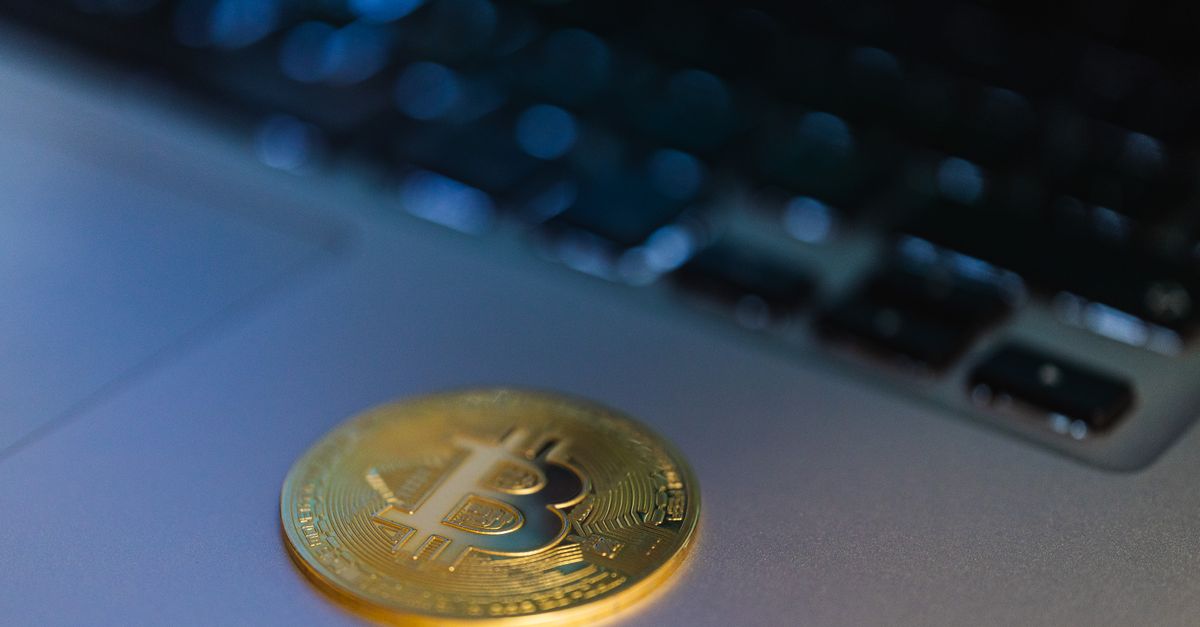
Here’s a little-known fact that might just piss off a few gold bugs: During the 2022 inflation spike, gold lost 0.3% in real terms while Bitcoin gained roughly 60% from its June lows. Yes, the "barbarous relic" that grandpas swear by didn't even keep pace with the grocery bill. Meanwhile, the internet magic money everyone loves to hate rebounded like a caffeinated kangaroo.
Now, before you call me a crypto shill, let’s be honest: neither asset is the perfect inflation hedge. Gold has a 5,000-year track record. Crypto has a 15-year track record of giving people heart palpitations. But here’s the thing — we’re not living in 1971 anymore. The inflation we’re dealing with isn’t just about money printing. It’s about supply chain fractures, deglobalization, and a digital economy that runs on code, not bullion.
So which one actually deserves a spot in your portfolio right now? Let’s break it down without the tribal nonsense.

The Case for Gold: Why It’s Still the King of Calm
I’ve found that most people who love gold aren’t really chasing returns. They’re chasing sleep. Gold doesn’t crash 50% in a week. It doesn’t get hacked. It doesn’t disappear if you forget a 24-word seed phrase. There’s a psychological safety net there that no amount of Sharpe ratios can quantify.
Here’s what most people miss about gold: its real value isn’t the inflation hedge — it’s the volatility hedge. When stocks crash, gold often holds steady. When currencies wobble, people buy gold. It’s not exciting, but it’s reliable. In the last five years, gold has averaged around 8% annual returns. That’s not going to make you rich, but it’s not going to make you poor either.
But let’s address the elephant in the vault: gold’s inflation-beating record is spotty. From 1980 to 2000, gold lost roughly 80% of its value in real terms. That’s two decades of dead money. If you bought at the peak in 1980, you didn’t break even until 2008. Inflation was rampant during the 1980s, and gold was a terrible hedge.
The real argument for gold today? Geopolitical instability. Central banks are buying gold at the fastest pace since 1967. Why? Because they don’t trust the dollar, the euro, or the yen. They’re hedging against a world where sanctions and currency wars become the norm. If you think the world is getting more stable, buy bonds. If you think it’s getting messier, buy gold.
The Case for Crypto: Digital Gold or Digital Casino?
I’ll admit — I’ve been burned by crypto. I bought the top in 2021, watched my portfolio get rekt in 2022, and then watched it all come roaring back in 2023. It’s an emotional rollercoaster that gold simply doesn’t offer. But here’s the thing: crypto’s volatility is both its biggest weakness and its greatest strength.
When inflation hit 9% in the US, gold did nothing for months. Bitcoin, on the other hand, traded like a risk-on asset — crashing when the Fed hiked rates, then surging when rate cuts were priced in. That’s not a traditional inflation hedge. That’s a beta play on liquidity. But here’s the twist: long-term data shows that Bitcoin has outperformed every asset class over the last decade, including gold. Even with the 80% drawdowns, the compound annual growth rate (CAGR) is still above 50%.
What most people miss about crypto as an inflation hedge is the supply certainty. There will only ever be 21 million Bitcoin. Gold? Miners keep pulling it out of the ground. In 2023, gold mining added roughly 3,000 tons to the above-ground supply. That’s about a 1.6% dilution rate. Bitcoin’s inflation rate is currently around 0.8% and dropping to 0.4% after the next halving. Bitcoin is harder money than gold by the numbers.
But let’s be real — crypto isn’t ready for primetime as a mainstream inflation hedge. It’s still too correlated with tech stocks. It’s still too dependent on exchange stability. And it’s still too easy to lose everything with one wrong click.
The Hidden Problem Nobody Talks About: Liquidity and Access
Here’s where things get interesting. I’ve found that most people arguing about gold vs. crypto are ignoring the most practical factor: how quickly can you actually use it?
Gold is beautiful. It’s heavy. It’s shiny. But try paying your rent with a 1-ounce coin. You can’t. You have to sell it first, which means finding a buyer, getting it assayed, and accepting a spread of 3-5%. In a crisis, that spread widens. During the 2008 financial crisis, gold dealers were paying 20% below spot because nobody wanted to buy.
Crypto, for all its flaws, is instantly transferable and globally accessible. You can send $1 million worth of Bitcoin to someone in Venezuela in 10 minutes for a few dollars in fees. Try doing that with a gold bar. You can’t. You’d need armored trucks, insurance, and a week of paperwork.
But here’s the flip side: crypto’s liquidity is fake during a crash. In May 2022, when Luna collapsed, Bitcoin’s order book depth evaporated. The spread between bid and ask went from pennies to dollars. In a real panic, crypto can become as illiquid as physical gold.
So which is better for access? It depends on the scenario. If you’re worried about hyperinflation and bank runs, crypto wins. If you’re worried about an internet shutdown or EMP attack, gold wins. Neither is perfect.

The 3 Numbers That Actually Matter Right Now
Forget the philosophical debates. Let’s look at the cold, hard data for 2024.
- Gold’s correlation to the Consumer Price Index (CPI): -0.15 over the last 10 years. That’s essentially zero. Gold does not track inflation in real time. It tracks fear, liquidity, and central bank buying.
- Bitcoin’s correlation to M2 money supply: 0.52 over the last 5 years. That’s moderate but significant. Bitcoin tends to rise when central banks print money and fall when they tighten. This makes it more of a liquidity hedge than an inflation hedge.
- Gold’s Sharpe ratio over the last 5 years: 0.3. Bitcoin’s Sharpe ratio over the same period: 0.9. That means Bitcoin has delivered nearly 3x the risk-adjusted returns. But it also means you had to stomach 70% drawdowns to get there.
The Verdict: Which One Should You Buy Right Now?
I’m not going to give you a lazy “it depends” answer. I’m going to give you my actual portfolio allocation as of this month.
I hold 10% in physical gold — coins and bars, not ETFs. Why? Because if the system breaks, I want something I can hold in my hand. I also hold 5% in Bitcoin — cold storage, not exchanges. Why the smaller allocation? Because I don’t trust the regulatory environment yet. The SEC is still playing whack-a-mole, and one bad court ruling could tank crypto for years.
If you’re a conservative investor, gold is the smarter hedge right now. It’s boring. It’s predictable. And it doesn’t require you to follow Twitter drama or check wallet addresses at 2 AM.
If you’re under 40 and have a high risk tolerance, crypto is the smarter hedge. The upside potential dwarfs gold. The supply dynamics are better. And the technology is only going to become more integrated into the global financial system. Gold is a preservation asset. Crypto is a growth asset.
But here’s what nobody wants to admit: inflation isn’t the real problem. The real problem is that central banks have destroyed faith in fiat currency. Gold and crypto are both bets against that system. They’re two sides of the same coin — one ancient, one digital. Both are saying the same thing: “I don’t trust the government to protect my purchasing power.”
So which one is smarter? The one you’ll actually hold through the panic. Because the best hedge in the world is useless if you sell it at the bottom.




