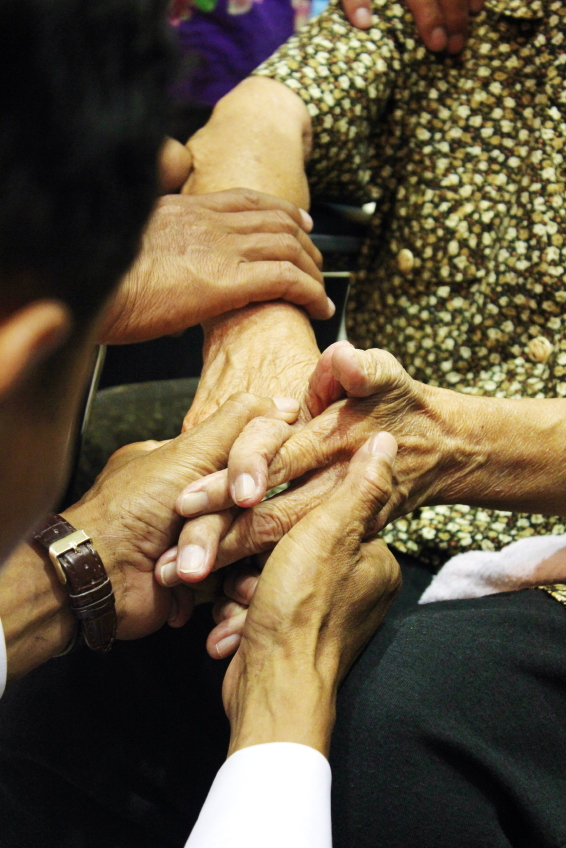
Picture this: a six-year-old boy in London named Oliver, born with a genetic condition so rare that doctors had to invent a name for it. His immune system attacks his own body. He's spent more birthdays in hospital wards than in playgrounds. His parents have been told, gently and repeatedly, that there's no cure — only management. Only waiting.
Now picture the same boy, a few years from now, receiving a single infusion that edits the typo in his DNA the way you'd fix a misspelled word in a document. No endless medications. No lifetime of symptom-chasing. Just... corrected.
That scenario moved from science fiction to plausible reality this week, and I've been thinking about it nonstop.

The Night Gene Editing Grew Up
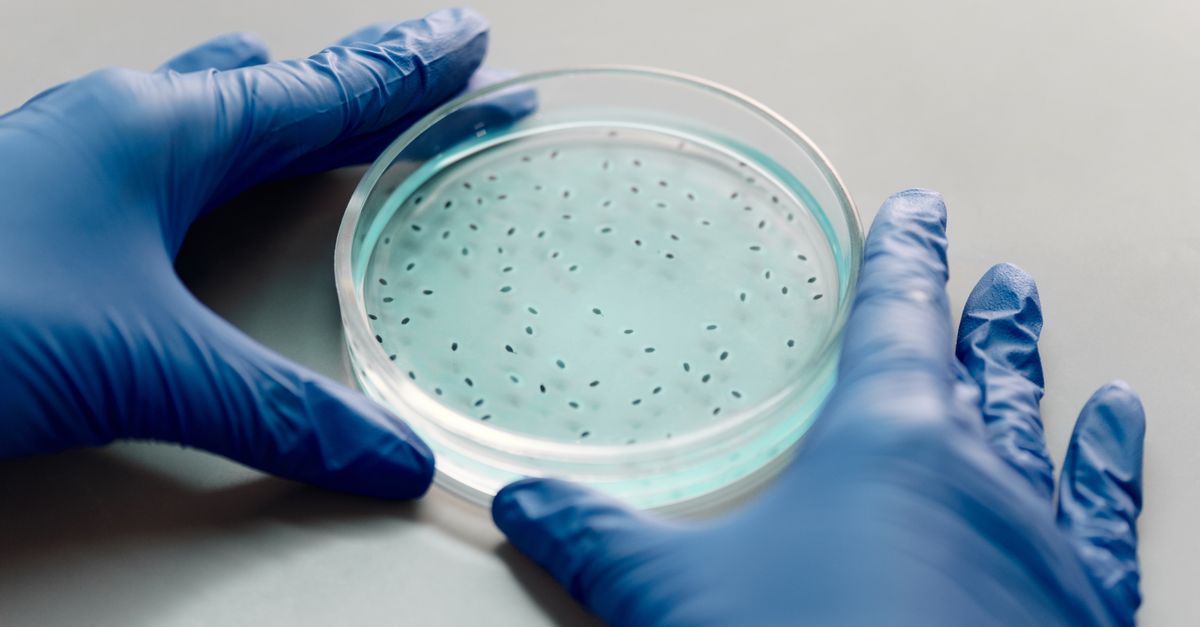
Here's the thing most headlines buried under the jargon: CRISPR just crossed a threshold that researchers have chased for over a decade. A new generation of precision editing — think of it as CRISPR's smarter, more careful cousin — has demonstrated the ability to correct disease-causing mutations in human cells with an accuracy level that was, until recently, considered aspirational.
Let me translate that from lab-speak. Earlier CRISPR tools were a bit like using scissors to fix a watch. Effective sometimes, but you could easily nick something you didn't mean to. The newer approaches — base editing and prime editing — are more like tweezers and a pencil. They don't just cut; they rewrite. Single letters of DNA, swapped out with surgical intent.
And the results coming out of the trials? For certain inherited blood disorders and metabolic conditions, patients have shown sustained correction of the genetic defect. Not temporary relief. Correction.
I've found that when news like this breaks, the coverage tends to split into two camps: breathless hype ("we've cured everything!") and reflexive skepticism ("wake me up in twenty years"). Both miss the real story, which is more interesting than either.
Why Inherited Diseases Are the Perfect First Target
Let's be honest — most of us carry some genetic quirk. Maybe it's a predisposition to high cholesterol, maybe it's a wonky knee that's been in the family for generations. But for millions of people worldwide, a single inherited mutation means something far heavier: sickle cell disease, beta thalassemia, Huntington's, cystic fibrosis, muscular dystrophy.
These conditions share a useful trait from a treatment standpoint: the cause is knowable and singular. One gene. One mutation. One target. That's why inherited diseases are where gene editing is proving itself first — the science has a clear bullseye to aim at.
Compare that to something like cancer, where the genetics are chaotic and shifting. Curing inherited disease is a fundamentally more tractable problem, and that's exactly why this breakthrough matters so much. It's not a moonshot. It's a blueprint.

The Part Nobody Puts in the Press Release
Here's what most people miss: the science is now moving faster than the systems around it.
Editing a gene correctly is one challenge. But then what? Who gets access? At what cost? A one-time genetic therapy could easily be priced in the millions per patient — which, ironically, might still be cheaper than a lifetime of care, but try telling that to a family that can't front the money or lives in a country where the treatment won't arrive for a decade.
I'm not being a downer. I'm being a realist. The history of medicine is littered with breakthroughs that took far longer to reach ordinary people than to reach journal covers. The gene-editing revolution will be no different unless we talk about the boring, essential stuff now: regulatory pathways, insurance coverage, equitable trial recruitment, and long-term follow-up.
There's also the question of durability. Does a corrected gene stay corrected for life? For a decade? What happens when a child treated at six becomes an adult at thirty? These aren't deal-breakers — they're the natural next chapter. But they're questions worth asking loudly, even while we celebrate.
Three Things to Watch Next
If you want to follow this story like someone who actually understands it, keep your eye on these:
- Trial expansion beyond blood disorders. The next wave is targeting liver-based metabolic conditions, where editing can be delivered more easily. Watch for announcements in the next 12-18 months.
- In-vivo editing. That's editing inside the body rather than in cells removed and reinserted. This is the real game-changer — a single injection, done. Early data is genuinely promising.
- Cost and access debates. The moment a therapy gets approved, the pricing conversation becomes the story. Pay attention to how health systems respond, especially in countries with public healthcare.

What This Actually Means for Ordinary Families
Let me bring it back to Oliver.
The reason this breakthrough feels different to me isn't the technical elegance of the editing machinery. It's the shift in what's possible. For generations, families dealing with inherited disease have been handed a script that reads: manage, cope, hope. That script is being rewritten, in real time, by people in lab coats who refused to accept that "incurable" was the final word.
Is CRISPR a magic wand? No. It's a tool — powerful, imperfect, and still maturing. But tools change what's buildable, and this one is starting to build something that looks a lot like cures.
The gene-editing breakthrough won't reach everyone at once. It will be messy, expensive, and uneven. And it will still be one of the most important things happening in medicine right now.
So here's my challenge to you: don't just scroll past the next gene-editing headline. Read it. Ask who it helps and who it doesn't. Because the era of editing the code we're born with has officially begun — and the people who understand it will be the ones who shape how it arrives.