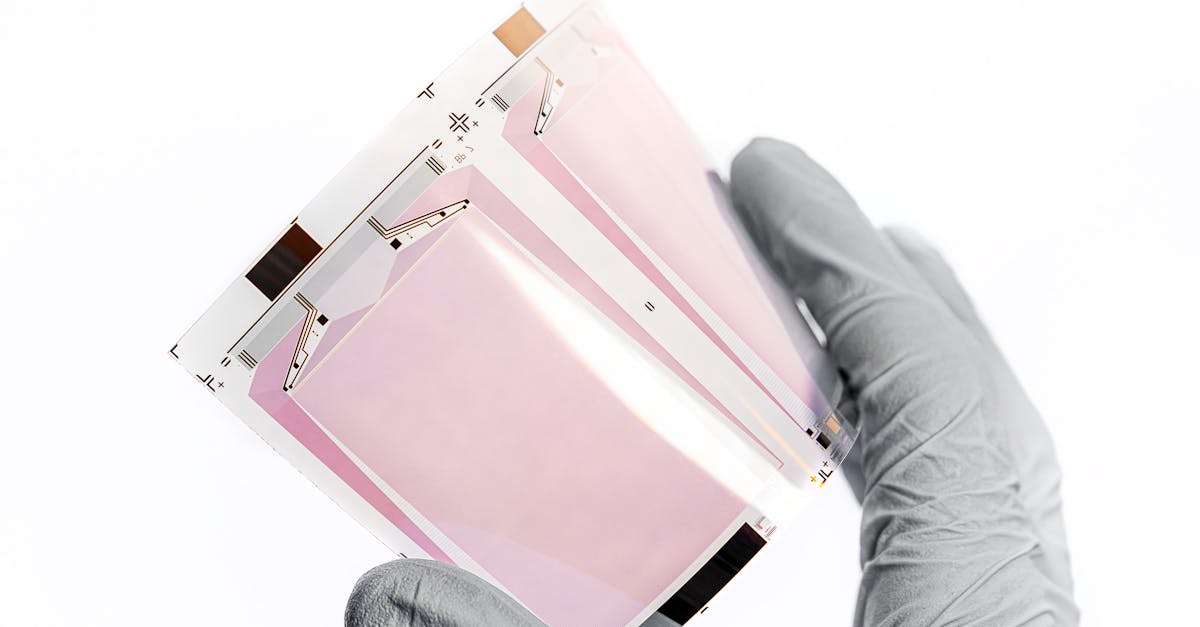
Researchers have found a way to move graphene between magnetic states using an electrical sliding technique, according to the Cornell Chronicle. The work was reported by the publication on Wednesday, October 14, 2026.
Graphene is a form of carbon arranged in a single layer of atoms. The Cornell Chronicle's headline describes the switching as electrical in nature and centered on sliding, suggesting the material's magnetic behavior can be changed through an applied electrical process rather than a purely chemical or mechanical one.
The Cornell Chronicle did not publish a full article alongside its headline and summary, so further details of the experiment — including the specific device design, the conditions under which the switching occurs, and the researchers involved — are not yet available from that report.
The result points to a possible route for controlling magnetism in an atomically thin material, a long-standing goal in condensed matter research. If the effect can be reproduced and scaled, it could matter for memory and logic devices that rely on magnetic states rather than electric charge alone. Any such applications would be years away and would depend on results that have not yet been reported.
Watch for the full Cornell Chronicle article or a peer-reviewed paper, which should clarify how the sliding is induced, how stable the magnetic states are, and whether the effect holds at room temperature.





