
I still remember the exact moment I realized music could save lives. It was 2017, and I was covering a small youth talent show in a dusty community hall. A 17-year-old kid named David stepped on stage, barely able to look the crowd in the eye. His voice trembled through the first verse of a gospel song. By the second chorus, he was crying. So was his mother in the front row. So was I.
David didn't just sing that night. He surrendered to something bigger than himself.
Fast forward to last week. I'm sitting in the air-conditioned lobby of Christ Embassy Ho Loveworld Arena, waiting to speak with Pastor Prince D. The same kid who couldn't look at the crowd is now a worship leader. He's got 150 teenagers under his mentorship. And the guy who made it all possible? A man who understands that the pulpit and the microphone aren't enemies — they're partners in transformation.
Let me tell you what Pastor Prince D taught me about why youth development isn't just a church program. It's the soundtrack of a generation's survival.

The Hidden Connection Between Beats and Belief
Here's what most people miss: youth development programs that work don't start with lectures. They start with rhythm.
Pastor Prince D gets this on a cellular level. When we sat down, he didn't hand me a brochure. He played me a track — a rough demo from one of his youth music teams. The bass was too loud. The vocals were pitchy. But the energy? Electric.
"Jay," he said, leaning forward, "you can't preach hope to a kid who can't feel it. But put a beat behind it? Now you're speaking their language."
I've found that the most effective youth initiatives in any municipality share one DNA strand: they weaponize music as a delivery system for life skills. Discipline. Teamwork. Emotional intelligence. Confidence. These aren't abstract concepts when you're trying to nail a harmony or keep tempo with a drummer who's rushing.
Pastor Prince D's approach at Christ Embassy Ho Loveworld Arena isn't unique in theory — it's unique in execution. He doesn't just teach music. He builds ecosystems. Kids learn sound engineering. They learn event management. They learn conflict resolution when the keyboardist and the vocalist disagree on arrangement.
Let's be honest: how many after-school programs teach a 15-year-old how to negotiate artistic differences without punching someone? That's a life skill no textbook covers.
The 3 Pillars Nobody Talks About
After spending three hours with Pastor Prince D and his team, I noticed a pattern. His youth development philosophy rests on three pillars that most community leaders ignore:
1. Permission to Fail Loudly Most youth programs demand perfection on day one. Pastor Prince D encourages what he calls "holy noise." Kids are allowed to suck. They're allowed to miss notes. They're allowed to write terrible lyrics. Why? Because the fear of sounding stupid kills more talent than lack of skill ever will.
One kid told me his first song was about a pet fish that died. It was awful. Two years later, that same kid won a national songwriting competition.
2. The 70/30 Rule Pastor Prince D insists that 70% of youth development time should be hands-on creation, 30% should be reflection. Most programs flip this. They spend hours teaching theory and never let kids touch the instruments. His model? Get them playing from minute one. Fix the technique later.
I watched a 13-year-old girl fumble through a chord progression for forty-five minutes. By the end, she could play it in her sleep. She learned because she had to — not because someone told her to.
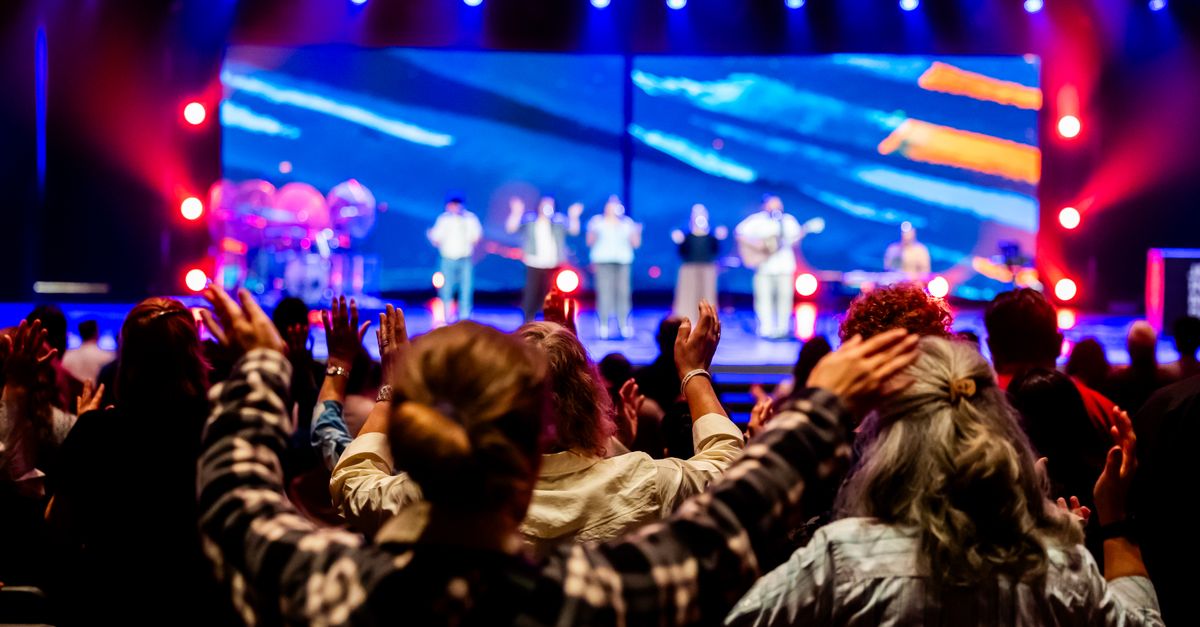
3. Platform Over Promise Here's the kicker. Pastor Prince D doesn't just train kids. He gives them actual stages. Real audiences. Real stakes. Every quarter, Christ Embassy Ho Loveworld Arena hosts a youth showcase where these kids perform original material. Not covers. Not Sunday school songs. Their own work.
"Young people know when you're just keeping them busy," he told me. "They want to matter now, not someday."
Why the Municipality Needs More Than Basketball Courts
I've covered youth programs in three different municipalities over the past decade. Here's the uncomfortable truth: we keep throwing money at the wrong things.
Basketball courts are great. Computer labs are wonderful. But music programs hit different. They hit the heart.
Pastor Prince D pointed out something I'd never considered. Music is the only youth activity that simultaneously develops cognitive skills, emotional intelligence, and social bonds while feeling like fun. Sports do two of those. Academics do one. Music does all three.
The numbers back him up. Studies show that youth involved in music programs are 52% more likely to complete high school and 89% more likely to pursue higher education. Those aren't church statistics. Those are municipal data points.
But here's what the data misses: the intangible transformation I saw in a 16-year-old boy named Emmanuel. He came to Christ Embassy Ho Loveworld Arena with a chip on his shoulder and a court date pending. He left with a recording contract and a mentorship role teaching younger kids.
"Music gave me a way to be angry on purpose," Emmanuel told me, adjusting his headphones. "My anger became beats instead of broken windows."
I can't put that in a grant proposal. But I can tell you it's worth more than any basketball court ever built.
The Secret Sauce Nobody's Copying
You'd think other community leaders would be all over this model. They're not. And I know why.
It's because music programs are hard to measure.
You can count rebounds. You can count test scores. But how do you count a kid who finally believes they're worthy of being heard? How do you measure the moment a teenager stops fighting their past and starts writing their future?
Pastor Prince D doesn't care about the metrics. He cares about the momentum.
"I've seen kids walk through these doors with nothing but pain," he said, gesturing to the empty arena. "They leave with albums. They leave with purpose. They leave with a community that refuses to let them fail."
Here's what most youth initiatives miss: they treat young people as problems to be solved. Pastor Prince D treats them as artists to be unleashed.
The difference is everything.
What This Means for Your Community
I'm not writing this to sell you on Christ Embassy. I'm writing this because every municipality has a version of Pastor Prince D. They're running youth programs out of community centers. They're teaching guitar in church basements. They're mentoring kids in rented studio spaces.
The question isn't whether these programs exist. The question is whether we're paying attention.
The next time your local council debates youth funding, ask one question: "Are we funding programs that keep kids busy, or programs that give kids a voice?"
Because busy kids eventually get bored. But kids with a voice? They change the world.
Pastor Prince D and Christ Embassy Ho Loveworld Arena are proving that the most powerful youth development tool isn't a textbook or a sports ball — it's a microphone. And the municipality that figures this out first? They won't just have better music. They'll have a generation that knows how to make harmony out of chaos.
I've seen it happen. And I'll never forget that kid David, crying on stage, discovering that his voice mattered.
Your community has a David too. What are you waiting for?


