
I remember the exact moment I stopped believing in the "perfect school." It was a Tuesday. I was sitting in a faculty meeting, listening to administrators drone on about "fostering community," while the only thing being fostered in that room was a deep, collective desire to be anywhere else. The irony was so thick you could spread it on a bagel.
We throw the word "community" around like confetti at a New Year's party. Build community. Foster community. Community engagement. But let's be honest — for most of us, it's just corporate speak for "please don't start a riot in the group chat."
Here's the truth: Community isn't a program. It's a feeling. And you can't schedule a feeling on a calendar.
The Myth of the Instant Village
We've been sold a lie. From the first day of kindergarten, we're told that school is our "second home" and our classmates are our "second family." But here's what nobody tells you: real community doesn't just happen because you put 30 kids in a room and call it a class.
I've taught in schools with "community-building" activities that felt like forced marriages. Icebreaker questions like "What's your favorite color?" — as if that's going to unlock the mysteries of the human soul.
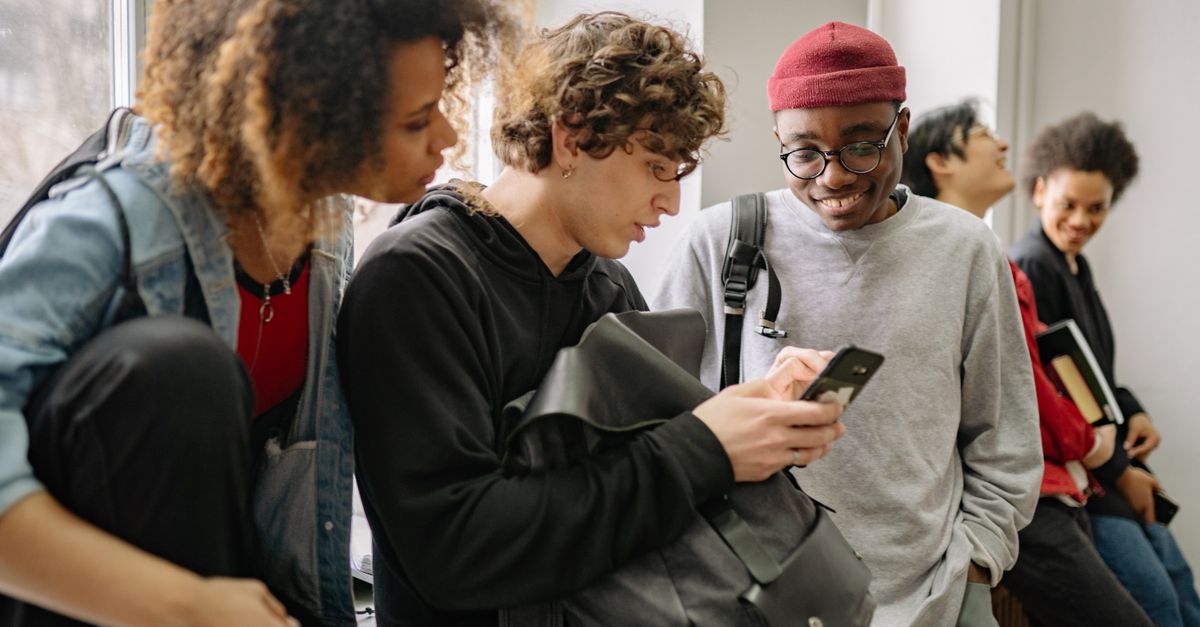
Let me share what actually happened in my classroom last year. I had a student — let's call her Maya — who was the quietest kid I've ever taught. She sat in the back, hoodie up, eyes down. For the first three months, I thought she was mute. Then one day, the Wi-Fi went down. No screens. No distractions. Just 30 awkward teenagers staring at each other.
That was the moment.
Without the buffer of technology, someone cracked a joke. Someone else laughed. Maya, for the first time, looked up. By the end of that hour, she was doodling on someone's notebook. By the end of the semester, she was leading study groups.
The Wi-Fi outage did more for our "community" than any planned activity ever could. Because here's the secret: Community thrives on shared struggle, not shared worksheets.
The Three Pillars Nobody Talks About
After a decade of teaching and accidentally starting a few mini-revolutions in my classroom, I've distilled community down to three non-negotiable elements. Forget the buzzwords. Forget the mission statements. These are the real deal.
1. Vulnerability (The Scary One)
You can't have community without vulnerability. Period. But here's what most people miss: vulnerability is contagious, but it's also voluntary.
I'm not saying teachers need to share their deepest traumas. But I am saying that if you never show your students that you also screw up, you're building a wall, not a community.
I once botched a math problem so badly on the board that a student had to correct me. Instead of brushing it off, I said, "You know what? I messed up. Thanks for catching that." The room went silent. Then a kid in the front row said, "Wait, teachers can make mistakes?"
That moment did more for our classroom culture than any "respect your teacher" poster ever could.
2. Shared Stakes (The Ownership Principle)
Here's a hard truth: People don't care about things they don't own. If you're the only one who cares about the classroom rules, the project deadlines, or the "class culture," you don't have a community — you have an audience.
I started letting students co-create our syllabus. Sounds terrifying, right? But when students have a say in what they're learning and how they're assessed, something shifts. They stop being passengers and start being crew members.
One year, my students decided they wanted to grade each other's presentations using a rubric they designed. I was sweating bullets, thinking it would be chaos. Instead, they were harsher than I would have been. But they also celebrated each other's wins like they'd won the lottery.
When you share the stakes, you share the pride.
3. Rituals, Not Just Routines
Routines are what you do. Rituals are why you do them.
Every Friday at 2:55 PM, my class has what we call "The Debrief." It's not graded. It's not mandatory. But almost everyone stays. We talk about the week — not just school stuff, but life stuff. Wins, losses, weird things that happened.
It started organically. Now it's a thing. Former students come back and ask, "Do you still do The Debrief?" It's become our inside joke, our secret handshake.
Rituals are the secret sauce of community. They're the repeated moments that become memories. And you can't fake a ritual. It has to earn its way into people's hearts.
The Hidden Enemy of Community
Here's something nobody wants to admit: Technology is both the best and worst thing to happen to educational communities.
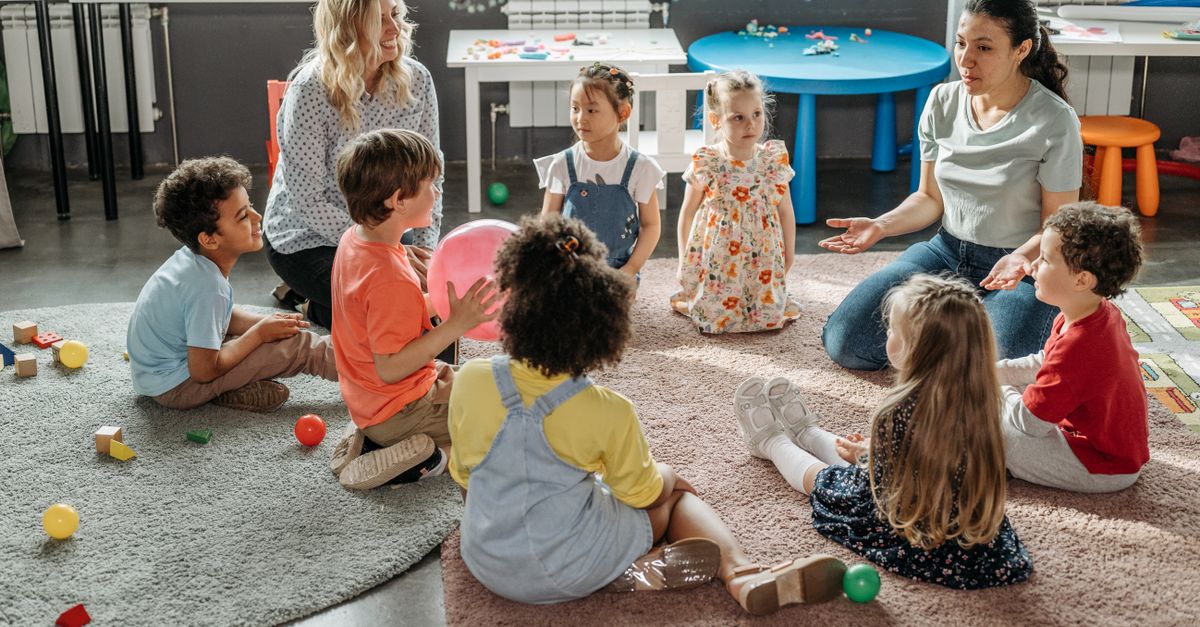
I'm not anti-tech. I'm writing this on a laptop, for crying out loud. But let's be real — the same device that connects you to your classmates also lets you escape them. I've seen entire lunch tables where every single person is on their phone, "connecting" with people who aren't there.
The algorithm is not your community. Your classmates are.
I'm not saying we need to ban phones (good luck with that). But I am saying we need to be intentional about when we're together versus when we're alone together.
One thing that works: designated "no screen" zones. Not as punishment, but as a choice. My classroom has a corner we call "The Analog Zone" — just books, board games, and paper. Kids gravitate there when they need a break from the noise. It's become a sanctuary.
The Surprising Power of the "Unlikely Connection"
Here's my favorite part about real community: It often happens between the people you least expect.
I once paired the school's star athlete with the quietest, most introverted kid in class for a project. They were miserable at first. I almost changed the pairing. But I didn't.
Three weeks later, they were eating lunch together. The athlete was helping the quiet kid with public speaking. The quiet kid was helping the athlete with essay structure. They became friends — not because they had anything in common, but because they were forced to find common ground.
The best communities aren't built on similarity. They're built on shared purpose.
That's the part that schools get wrong. We try to group kids by interest or ability. But the real magic happens when you mix things up. When the gamer has to work with the theater kid. When the math whiz has to collaborate with the artist.
Those unlikely connections create the kind of community that lasts beyond graduation.

How to Actually Build It (Without a Grant or a Committee)
You don't need a budget. You don't need permission. You don't need a "community-building initiative" with a fancy name.
Here's what you actually need:
- Consistency. Show up. Every day. Same energy. People trust what they can predict.
- Permission to fail. If you're micromanaging every interaction, you're killing community. Let things get messy. Let kids resolve their own conflicts. Let the awkward silence hang.
- Celebration of the small stuff. Someone remembered to bring snacks? Celebrate it. Someone helped a struggling classmate? Acknowledge it. Community is built in the micro-moments, not the macro-events.
- One-on-one time. You can't build community in a group if you don't have individual connections. Five minutes of genuine conversation with one student changes everything.
The Hard Truth About "Community" in Schools
Here's the thing nobody wants to say out loud: Most schools don't actually want community. They want compliance dressed up as community.
Real community is messy. It means students might disagree with you. It means they might challenge the rules. It means they might form their own opinions and act on them.
But here's the trade-off: A real community produces students who think for themselves. Who care about each other. Who show up not because they have to, but because they want to.
I've had students who came to school sick because they didn't want to miss "The Debrief." I've had students who stayed after school to help clean up, not because they were forced to, but because "this is our space."
That's the payoff. And it's worth every ounce of messiness.
Your Move
So here's my challenge to you: Find one small way to build real community this week. Not a program. Not a committee. Not a meeting.
Maybe it's a five-minute check-in with a student you don't know well. Maybe it's letting your class make a decision about something that matters. Maybe it's admitting you were wrong about something.
Whatever it is, do it. Because the students you're teaching right now? They're not going to remember the perfect lesson plan or the flawless PowerPoint. They're going to remember how you made them feel.
They're going to remember the community you built.
And honestly? That's the only thing that matters.





