
I still remember the exact moment I hit the wall. It was 6:47 AM, I'd slept maybe four hours, and I was staring at my running shoes like they'd personally betrayed me. My buddy Dave — a former college swimmer who now does triathlons for fun, which tells you everything about Dave — texted me: "Bro. Cold shower. Twenty seconds. Trust me."
I told him he was insane. Then I did it anyway. And weirdly? I felt awake. Not just awake — genuinely good. That rabbit hole led me down a path I'm still walking: the strange, slightly masochistic world of cold plunge, sauna, and sleep rituals that athletes treat like religion.
So let's talk about it. What actually works, what's hype, and what doctors really think.

The Ancient Art of Voluntarily Freezing Your Face Off
Here's the thing about cold plunges — they're not new. They're ancient. The Romans had frigidariums. Scandinavian cultures have been rolling in snow after saunas for centuries. What's new is that your neighbor Brad bought a $5,000 tub on Instagram and now won't shut up about it.
But Brad might actually be onto something.
When you submerge in cold water (typically 50-59°F / 10-15°C), your blood vessels constrict dramatically. Blood rushes toward your core to protect your organs. Your heart rate spikes, your breathing gets shallow, and your nervous system basically screams "WHAT ARE YOU DOING?"
Then you get out. And everything reverses. Blood floods back into your tissues, carrying oxygen and flushing out metabolic waste. That's the vascular pump effect — and it's why athletes swear by it for recovery.
I've found that the sweet spot is 2-3 minutes at around 50°F. Any longer and you're just miserable for no extra benefit. Any colder and you should really have someone watching you.
Here's what most people miss: cold plunges aren't primarily about muscle recovery. The research on that is actually mixed. What they are great for is mental resilience and mood. A 2023 study found that regular cold water immersion significantly reduced stress and improved overall wellbeing. You're not just shocking your body — you're training your brain to stay calm under pressure.
Which, let's be honest, is half of what athletic performance is anyway.
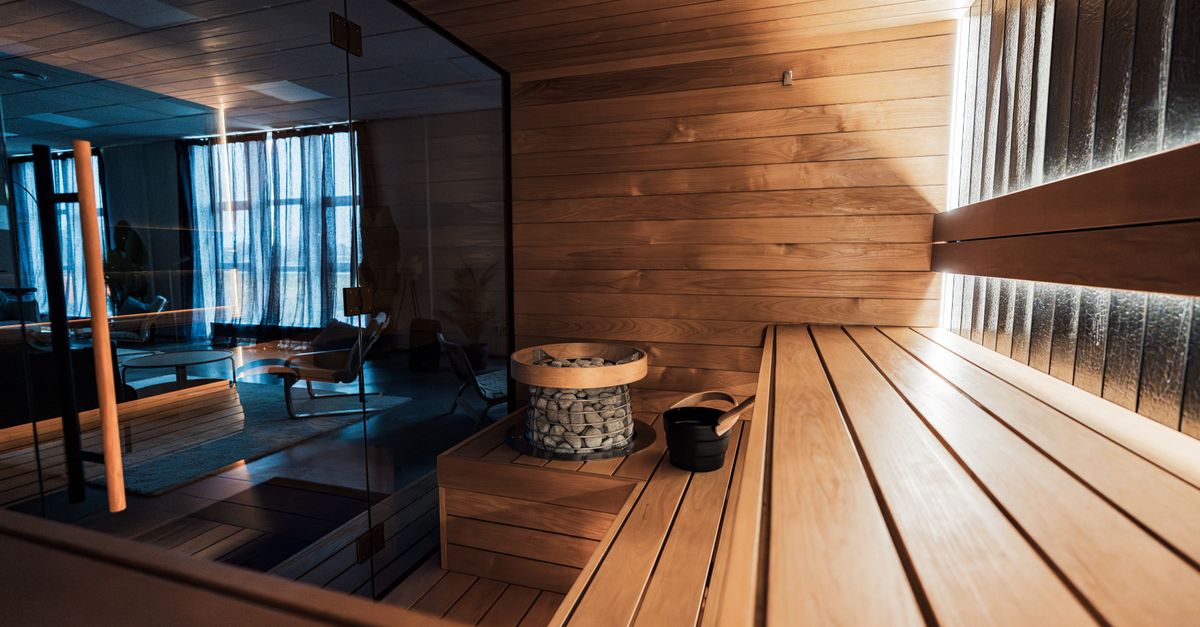
Sauna: Finland's Greatest Export (Sorry, Nokia)
If cold plunges are the espresso shot, saunas are the warm blanket. And the science here? Genuinely impressive.
A landmark study from Finland — where sauna culture is basically a national identity — followed over 2,300 men for two decades. The findings were wild: men who used saunas 4-7 times per week had a 40% lower risk of all-cause mortality compared to once-a-week users. That's not a typo. Forty percent.
Now, correlation isn't causation. Healthy people might just sauna more. But the mechanism makes sense: sauna use mimics moderate cardiovascular exercise. Your heart rate climbs to 100-150 BPM, your blood vessels dilate, and you get a controlled heat stress response that triggers heat shock proteins — cellular repair molecules that help your body handle all kinds of stress.
For athletes specifically, sauna after training helps with:
- Increased blood flow to tired muscles
- Growth hormone release (up to 2x baseline in some studies)
- Improved sleep onset when used 1-2 hours before bed
- Endorphin dump that rivals a solid runner's high
The Sleep Angle Nobody Talks About Properly
Sleep is the recovery ritual. Everything else is supporting cast.
You can cold plunge until you're basically a penguin. You can sauna until you're a human dumpling. But if you're sleeping five hours a night, you're pouring water into a bucket with a hole in it.
What I love about the cold plunge + sauna combo is how it hacks your circadian rhythm. Here's the play:
- Morning cold plunge → cortisol spike, alertness, sets your body clock
- Evening sauna → core temp rises, then drops after you exit, triggering the drowsiness signal your brain needs for deep sleep
- Consistent timing → your body starts expecting these transitions
I've found that on sauna nights, I fall asleep faster and wake up less. Not placebo — my Oura ring confirms it. Deep sleep scores jump by 15-20%.
Let's be honest though: most of us aren't going to do both every single day. That's fine. Even 2-3 sauna sessions per week shows meaningful benefits.
What Doctors Actually Say (Spoiler: They're Cautiously Optimistic)
I reached out to a couple of sports medicine folks while researching this, and the consensus was refreshingly honest.
The good news: Cold water immersion and sauna use are both well-studied, generally safe, and show real benefits for mood, cardiovascular health, and sleep quality. No doctor I talked to dismissed them outright.
The caveats:
- Cold plunges can be dangerous. Cold shock response can cause hyperventilation and, in rare cases, cardiac events. Never plunge alone. Never push past 5 minutes. If you have heart conditions, talk to your doctor first.
- Sauna isn't for everyone. Pregnant women, people with low blood pressure, and anyone on certain medications should be cautious.
- Don't skip sleep for the rituals. This is the big one. If you're choosing between a 5 AM cold plunge and 90 more minutes of sleep, sleep wins. Every time.
The Recovery Stack That Actually Makes Sense
Here's my honest take after two years of experimenting:
Cold plunge → 2-3x per week, mornings, 2-3 minutes Sauna → 3-4x per week, evenings, 15-20 minutes Sleep → every single night, 7-9 hours, non-negotiable
The rituals don't replace sleep. They protect it. They give your body clear signals about when to be alert and when to wind down. In a world where we're bombarded with artificial light and constant stimulation, that's not a luxury — it's a necessity.
So here's my challenge to you: pick one ritual this week. Just one. Maybe it's a 30-second cold shower tomorrow morning. Maybe it's a hot bath 90 minutes before bed. Track how you sleep. Track how you feel.
You might surprise yourself.
And if you end up buying a $5,000 tub like Brad? Well, at least you'll have good sleep to show for it.





