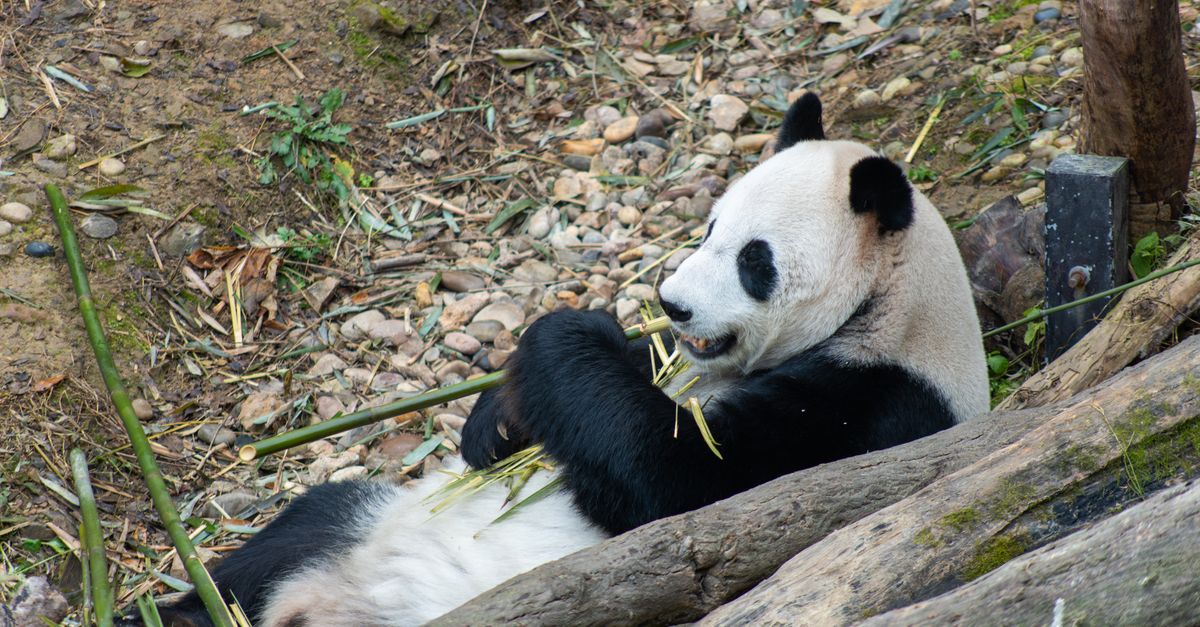
China's captive giant panda population has reached 830, a senior forestry official said on November 3, with the genetic diversity of the population continuing to improve. Li Yunqing, a deputy director of the National Forestry and Grassland Administration, gave the figure at the 2026 Global Panda Partners conference in Chengdu, Sichuan Province, according to Xinhua.
Li said this year marks the fifth anniversary of the Giant Panda National Park and described the results of protection and international cooperation work as notable.
Why it matters
The giant panda is a species found only in China and is widely regarded as a flagship of global biodiversity protection. The captive population figure matters because it reflects decades of breeding efforts aimed at keeping the animals genetically healthy, while the national park anniversary points to the parallel effort to protect wild pandas and the habitats they depend on.
Reconnecting separated panda groups
Li said the construction of ecological corridors has brought 13 local giant panda populations back into the broader population, with habitat connectivity improving markedly. Monitoring in the corridor areas has recorded more than 150 instances of activity by giant pandas and other species, and pandas moving between groups — described by Xinhua as dropping in on neighbors and meeting potential mates — has become routine.
The Giant Panda National Conservation Research Center has continued to expand basic and frontier research, according to Li. He said drones, artificial intelligence and other new technologies are playing a growing role, and that an integrated monitoring system spanning sky, ground and space is being steadily refined. Drawing on findings from genetics, rehabilitation and other medical fields, the capacity to keep pandas healthy and treat them has improved noticeably, he said.
Thirty years of overseas partnerships
Li said this year is the 30th year of China's international scientific research cooperation on giant pandas. China has worked with 26 institutions in 20 countries, and 69 pandas have lived abroad under these arrangements, producing 45 successful births and 73 cubs in total, Xinhua reported. Li called the program a benchmark for cross-border protection of rare and endangered species.
He also noted the global reach of individual pandas, naming Fu Bao, Ru Yi and Xiao Qiji as animals that have drawn wide international attention. Cumulatively, more than 1 billion visits have been made by tourists viewing giant pandas worldwide, according to his remarks.
What comes next
Li said China will push ahead with panda protection using stronger measures. The plans he outlined include drafting a land-use plan for the Giant Panda National Park, tightening controls on how land is used and regulating human activity there; running a nationwide wild animal and plant protection program with stronger disease monitoring and better research and response capacity for major illnesses; improving long-term compensation mechanisms for ecological protection and developing new approaches to communities at national park entrances; and deepening research cooperation and cultural exchange with panda partners around the world.
Watch for the release of the national park's land-use plan and for further details on the disease monitoring and compensation measures, which will indicate how quickly the announced commitments move into practice.





