Brent crude for December delivery traded at $114 a barrel on Monday, down from $117 at the close on Friday, after Qatari mediators traveled to Tehran on Sunday in an effort to lower friction between the United States and Iran, Omni – Alla nyheter. Alla perspektiv. reports, citing Reuters.
The pullback follows a rally that had carried the oil price to a six-month high at the end of last week. The retreat came as diplomatic contacts resumed and as US military officials again stressed that tanker traffic through the Strait of Hormuz is continuing on a large scale.
Why it matters
Crude prices are sensitive to any signal about the security of Gulf shipping, and the Hormuz chokepoint carries a substantial share of the world's seaborne oil. When traders perceive a rising chance of disruption there, they build a premium into futures; when talks appear to make progress, part of that premium comes out. Monday's move is a modest version of that pattern.
For consumers and businesses, the direction of Brent feeds through, with a lag, into fuel and transport costs and into headline inflation readings that central banks watch closely. For oil-producing economies and energy equities, the same swing moves revenue expectations. A $3 drop in a single session is not a collapse, but it shows how quickly sentiment can shift when diplomacy and military signaling arrive in the same news cycle.
What the principals said
President Donald Trump told Fox News on Sunday that the moment was approaching to decide whether to reach an agreement with Tehran or to "put an end to it," according to Omni – Alla nyheter. Alla perspektiv. The remark was reported without further elaboration on what either path would involve.
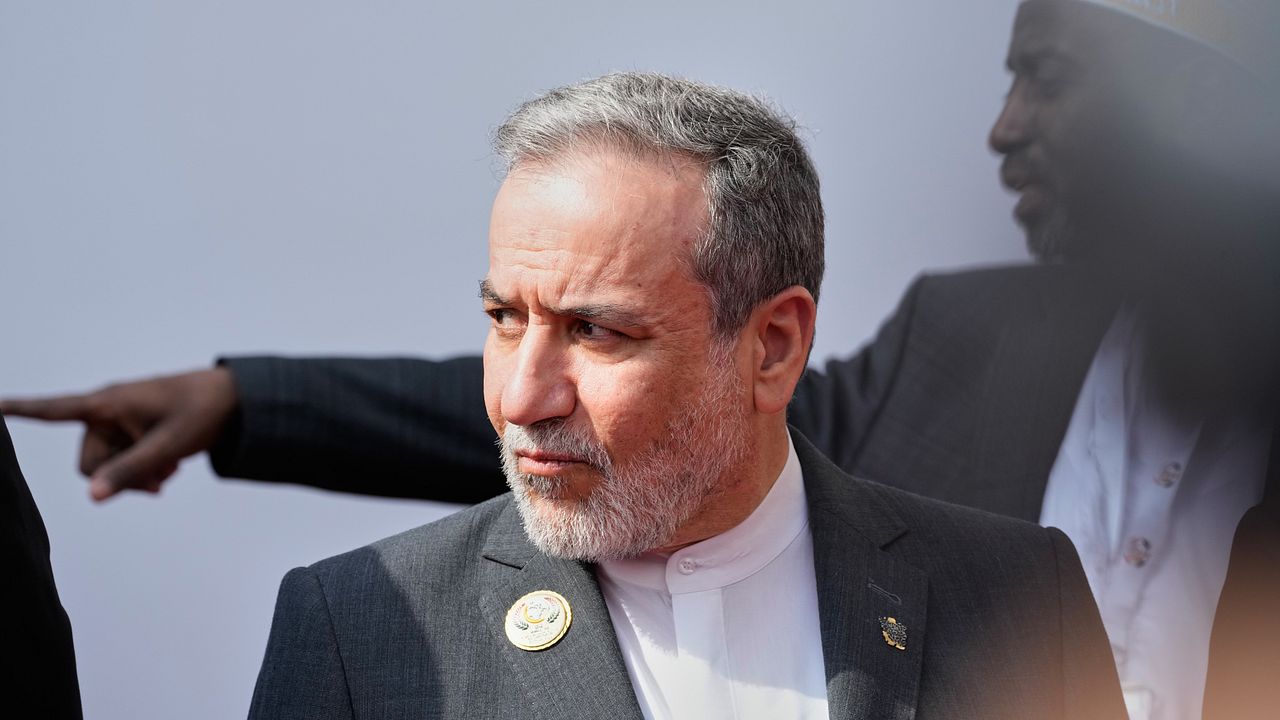
Iran's foreign minister, Abbas Araghchi, said the United States would not attempt an attack if it acted rationally, Bloomberg reported, as cited by Omni – Alla nyheter. Alla perspektiv. The two statements point in different directions — one framed around a decision, the other around deterrence — and markets appear to have read the combination, together with the Qatari mediation, as a sign that a near-term escalation is not the base case.
US Central Command, Centcom, repeated that oil shipments through the disputed Strait of Hormuz are continuing in large volumes. That reassurance matters because the strait is the physical link between the producing Gulf states and buyers in Asia, Europe and the Americas. Any interruption there would be felt in freight rates and insurance costs before it was felt at the pump.
The mediators' role
Qatar's involvement places a Gulf state with its own stake in stable energy flows at the center of the effort. Doha maintains channels to both Washington and Tehran, and its Sunday visit to the Iranian capital was aimed at reducing tensions rather than producing an immediate settlement, according to the account published by Omni – Alla nyheter. Alla perspektiv.
Mediation of this kind tends to move prices through expectation rather than through any binding outcome. Traders who had priced in a higher probability of confrontation now assign some weight to the possibility of de-escalation, and the December contract reflects that adjustment. The absence of a concrete agreement leaves room for the premium to return if the talks stall.
How the market read the week
Friday's six-month high and Monday's retreat describe a market that had grown accustomed to bad news and then received a piece of potentially good news. The sequence is familiar in oil trading: a rally built on risk, followed by a partial reversal when the risk appears to be under management.
The numbers themselves are narrow. Brent moved from $117 to $114, a decline of roughly 2.6 percent, and remained well above levels seen earlier in the year. Nothing in the reporting suggests a change in physical supply. The Hormuz flows that Centcom described are the same flows that underpinned the market last week; what changed was the diplomatic calendar.
That distinction matters for anyone reading the move as a verdict on the underlying balance of supply and demand. It is not. It is a repricing of geopolitical risk, and geopolitical risk can be repriced again within days.
What to watch
The next signals will come from whether the Qatari channel produces further meetings, from any follow-up remarks by Trump or Araghchi, and from Centcom's assessments of shipping through Hormuz. Omni – Alla nyheter. Alla perspektiv. notes that it has unlocked a range of related articles for readers who want to go deeper into the story.
For now, the market has taken one step back from its six-month peak. Whether it stays there depends on whether Sunday's talks in Tehran turn into a process or remain a single round.