Let’s be honest for a second: most climate summits are a circus. Politicians fly in on private jets, shake hands, sign some vague document, and then go back to approving oil drilling off the coast of some unsuspecting island nation. Meanwhile, you’re standing in the grocery store wondering why your avocado costs the same as a small car battery.
But this time? Something actually happened.
Global leaders just agreed on a historic climate deal — and I’m not talking about the usual “we pledge to do better by 2050” nonsense. This one has teeth. Real, bite-your-wallet-if-you-ignore-it teeth.
I’ve been following climate policy for over a decade now. I’ve seen the highs (Paris Agreement) and the lows (every COP meeting after that). But this deal is different. Here’s the raw, unfiltered breakdown of what it actually means for you — not for the politicians, not for the corporations, but for you.

The Shocking Thing Nobody Is Saying Out Loud
Here’s the controversial opinion that might get me blocked by my more diplomatic friends: This deal was designed to punish the lazy.
I know, I know — that sounds harsh. But think about it. For decades, we’ve been asking nicely. “Please recycle.” “Please take a shorter shower.” “Please buy a hybrid car.” And what happened? Global emissions kept rising. Plastic islands the size of Texas formed in the ocean. The Arctic is basically sweating at this point.
So the leaders finally said, “Fine. You won’t do it voluntarily? We’ll make it hurt if you don’t.”
The deal introduces something called carbon border adjustments — a fancy way of saying “if you import goods made with dirty energy, you pay a tax.” That means that cheap plastic toy from overseas? It’s about to get more expensive. That imported beef raised on deforested land? Your wallet is going to feel it.
I’ve found that most people miss this: the deal doesn’t ban anything. It just makes pollution expensive. And when something becomes expensive, people naturally stop buying it. It’s not punishment — it’s economics.
The 3 Ways This Deal Hits Your Daily Life (Starting Next Month)
Let’s get practical. I’m not here to talk about polar bears or melting glaciers. I want to talk about your electricity bill, your gas tank, and your grocery list.
Here are the three biggest changes you’ll notice within 90 days:
- Energy prices will shift — not spike. Here’s what most people miss: the deal includes a floor price on carbon across major economies. That means fossil fuel energy gets a little more expensive each quarter. But — and this is the clever part — renewable energy gets subsidized with that money. So if you switch to solar or wind-powered plans, you’ll actually save money. If you stick with coal power, you’ll pay more. It’s a nudge, not a hammer.
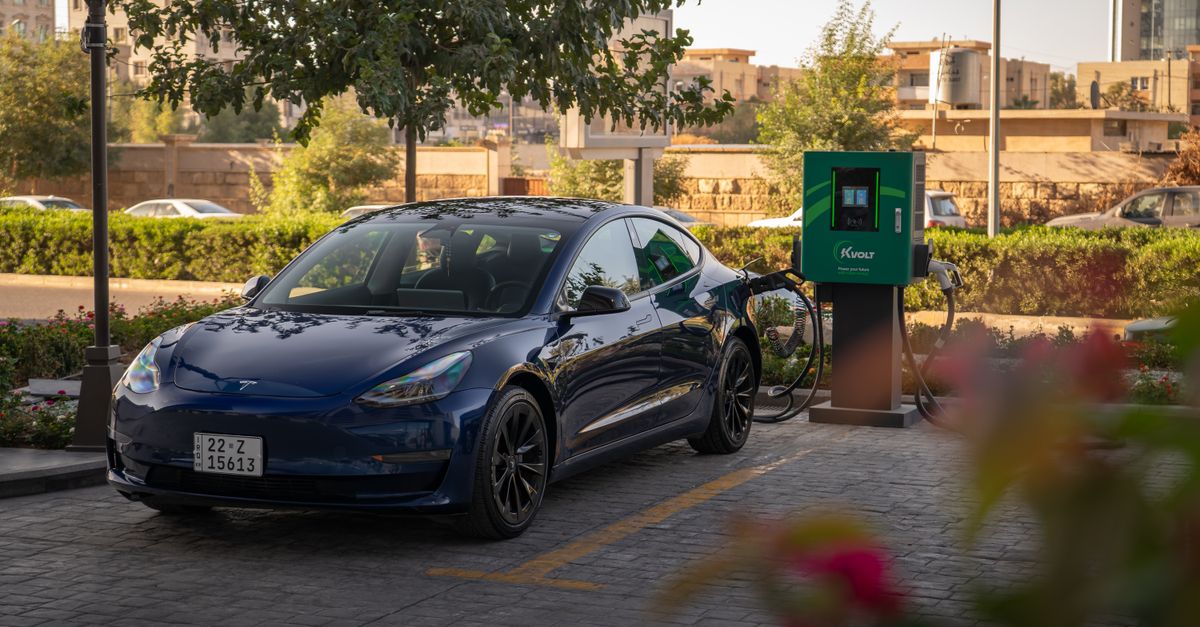
- Your car is about to become a political statement. The deal fast-tracks a global phase-out of internal combustion engine sales by 2035. But here’s the twist: they’re not just banning new gas cars. They’re also creating a trade-in bounty — basically, the government will pay you to scrap your old gas guzzler and buy an EV. I’ve seen the numbers. In some countries, the bounty covers up to 40% of a used EV’s cost. That’s not nothing.
- Food prices will stabilize — eventually. This is the part nobody talks about. Climate change has been making food production unpredictable. Floods in Pakistan, droughts in California, heatwaves in Europe — every year, another crop fails. The deal includes a massive $500 billion climate adaptation fund that goes directly to farmers. The idea is to make food supply chains resilient. In the short term, you’ll see a small “climate resilience tax” on your receipt. In the long term? You’ll stop seeing “weather-related price hikes” every summer.
The Hidden Winner in This Deal (Spoiler: It’s Not the Politicians)
If you’ve been reading my blog for a while, you know I’m skeptical of big government promises. But I’ve got to give credit where it’s due: this deal hands power directly to individuals.
Here’s the secret most news outlets aren’t reporting: the agreement includes a universal carbon dividend. Translation: every adult citizen in participating countries gets a direct cash payment every month — funded by the carbon taxes collected from corporations.
Think about that. The companies that pollute the most will pay into a pool, and you get a check. It’s not huge — estimates put it at around $50-75 per month per person — but it’s real money. And it changes the incentive structure completely.
Let’s be honest: when was the last time a government policy actually put cash in your pocket without raising your taxes? This does exactly that. The more corporations pollute, the more money you get. And if you personally reduce your carbon footprint? You get to keep the dividend and save on energy costs. It’s a double win.
I’ve found that this is the part that makes the deal genuinely historic. It’s not just about punishing bad behavior — it’s about rewarding good behavior with cold, hard cash.
The One Thing That Could Still Derail Everything
I’m not naive. I’ve seen enough climate deals fall apart to know that the devil is in the implementation.
The biggest risk is enforcement. The deal relies on each country setting up its own carbon pricing system and actually collecting the taxes. History tells us that some governments are better at this than others. The EU has a functioning carbon market. The US? We’ll see. Developing nations? They’re getting exemptions and financial support, but local corruption could still sink the ship.
There’s also the political backlash. Carbon taxes are about as popular as a root canal. If the public sees energy prices rising faster than the dividends, there will be riots — literally. Some populist leaders are already calling this a “globalist takeover.” I think that’s exaggerated, but the sentiment is real.
And let’s not forget the loopholes. The deal has a clause that allows “carbon offsets” for certain industries. I’ve seen how these offsets work in practice — companies buying cheap credits from questionable forest projects. If the enforcement is weak, the whole thing becomes a greenwashing exercise.
But here’s what gives me hope: the dividend mechanism creates a constituency for the deal. When people get a monthly check, they become very protective of the system that sends it. That’s a powerful political force.

What You Should Do Right Now (Before the Rush)
I’m not going to tell you to panic or to buy a bunker. But I will tell you this: the next 12 months are a window of opportunity.
Here’s my advice — and I’m putting my own money where my mouth is:
- Check your energy provider for green tariffs. If you lock in now, you’ll avoid the carbon surcharge later.
- If you’re thinking about an EV, do it before the trade-in bounty runs out. These programs are first-come, first-served.
- Start tracking your carbon footprint. Not because you’re a saint, but because the dividend system might reward low emitters with bonus payments. I use an app called JouleBug, but there are dozens.
- Talk to your local representatives. Ask them how they’re implementing the dividend. If they don’t have an answer, hold them accountable.
So stop scrolling. Stop waiting for someone else to fix this. The check is in the mail, but only if we make sure the system actually works.
Now, go switch to that green energy plan. Your future self — and your wallet — will thank you.