
I have a confession to make. I spent the better part of 2023 drinking celery juice every morning because a wellness influencer with great cheekbones told me it would "change my life." Spoiler alert: It didn't. It just made me really good at peeing.
So when I see the 2025 wellness trends rolling in—bone broth, berberine, and a dozen other "miracle" supplements—I get skeptical. Like, really skeptical. But here's the thing. After a year of testing, researching, and actually listening to my body instead of the algorithm, I've found that three specific trends have actually earned their hype. They aren't magic, but they're not marketing fluff either.
Let's cut through the noise and talk about what actually works, what's a waste of money, and how to use these without turning into one of those people at brunch.
The Comeback Kid: Why Bone Broth Isn't Just Grandma's Soup Anymore
I used to roll my eyes at the bone broth trend. I mean, it's just soup stock, right? Wrong. The difference between stock and true bone broth is the simmer time and the science. We're talking 24 to 48 hours of slow cooking that extracts collagen, gelatin, and amino acids in a way your grandma's Sunday soup never achieved.
Here's what most people miss: The benefits aren't just about your joints. While the collagen content is great for skin elasticity (yes, I've noticed a difference in my laugh lines), the real game-changer is gut health. The gelatin acts like a soothing balm for your intestinal lining. I've struggled with bloating for years, and switching to a daily cup of bone broth in the morning (instead of coffee first thing) genuinely calmed my stomach.
But let's be real—the store-bought cartons are overpriced and often watered down. The secret is to make it yourself. It costs about $4 per gallon to make at home.
- Pro tip: Save your veggie scraps (onion skins, carrot peels, celery ends) in a freezer bag. When it's full, dump them in a pot with a roasted chicken carcass.
- The "aha" moment: Add a splash of apple cider vinegar to the pot. It helps draw the minerals out of the bones.

Is it a cure-all? No. Is it a nutrient-dense ritual that beats the pants off a protein shake? Absolutely. If you're not ready to go full DIY, just look for brands that list "collagen" or "gelatin" high on the ingredient list—that's your marker of quality.
The Blood Sugar Hack: Berberine Isn't "Nature's Ozempic" (But It's Close)
Okay, I need to get on my soapbox for a second. Stop calling berberine "Nature's Ozempic." It's lazy, it's inaccurate, and it sets up unrealistic expectations. Ozempic is a GLP-1 agonist that suppresses appetite significantly. Berberine is a compound found in plants like goldenseal and Oregon grape that works on a cellular level to activate AMPK—an enzyme that helps regulate metabolism.
In plain English? Berberine helps your body use insulin more effectively. It shuttles sugar into your cells where it belongs, instead of letting it float around your bloodstream causing chaos. I started taking it because my post-lunch energy crashes were brutal. You know the feeling—you eat a sandwich at noon and by 2 PM you're fighting the urge to nap under your desk.
The results surprised me. I wasn't just less tired; I was less hangry. My cravings for afternoon sugar dropped off a cliff. But here's the catch: Berberine has poor bioavailability. It doesn't absorb well on its own, so you need to take it in a specific way.
- The 500mg rule: Take 500mg, three times a day, with meals. Not before, not after—with.
- The two-month cycle: Your body develops a tolerance. Take it for 8 weeks, then break for 2 weeks.
- The gut warning: This stuff can cause GI distress if you start with a full dose. Start low and go slow.
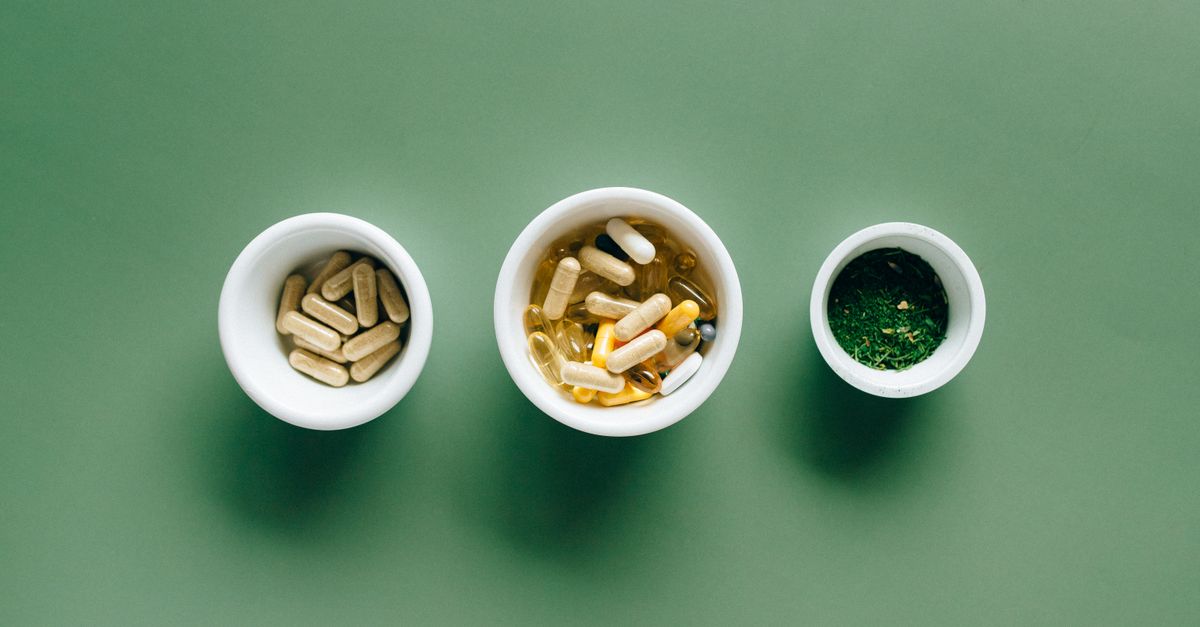
Important boundary: If you're on medication for diabetes, talk to your doctor first. Berberine can amplify the effects of your meds and tank your blood sugar too low. This isn't a replacement for medical advice; it's a tool for biohacking your metabolism.
The Forgotten Essential: How "Restful Laziness" Beat Every Expensive Gadget
Now, this one isn't a supplement or a food. It's a practice. And it might sound like the opposite of a "trend," but in 2025, actively doing nothing is the most rebellious thing you can do.
I'm not talking about scrolling on your phone for an hour before bed. That's not rest; that's digital junk food. I'm talking about deliberate, unstructured downtime—sitting on the porch with a glass of water, staring at the wall, or taking a walk without a podcast in your ears.
Here's why this works: We live in a world that glorifies constant productivity. We measure our worth in steps, completed tasks, and "hustle." But your nervous system is screaming for a break. When you're constantly in "go" mode, your cortisol levels stay elevated. This leads to poor sleep, weight gain, and inflammation—the exact things we're trying to fix with the bone broth and berberine.
The science backs this up: The default mode network (DMN) in your brain is only active when you're not focused on an external task. This is where creativity, problem-solving, and memory consolidation happen. When you don't give your brain downtime, you're literally stunting your cognitive potential.
- The 15-minute rule: Schedule 15 minutes of "do nothing" time into your day. Put it in your calendar like a meeting.
- The no-goal walk: Leave your phone at home. Walk without a destination or a step counter. Just look at the sky.
- The payoff: Within a week, I noticed my sleep quality improved dramatically. My "brain fog" lifted because I wasn't constantly overstimulating my nervous system.

This is the cheapest wellness hack on the planet, and it works better than half the adaptogens in my cupboard.
The "Stack" That Actually Works Together
Here's where most people miss the point. These three trends aren't meant to be used in isolation. They work synergistically. The bone broth heals your gut lining so you can absorb the berberine better. The berberine stabilizes your blood sugar, which prevents the energy crashes that make you reach for junk food. The restful downtime lowers your cortisol, which allows the other two to do their jobs without being blocked by stress hormones.
My daily routine looks like this:
- Morning: A cup of warm bone broth (or broth-based soup).
- Lunch: 500mg of berberine right before I eat.
- Afternoon: A 15-minute "lazy break" where I sit on the floor and just breathe.
- Dinner: Another 500mg of berberine.
- Night: The final 500mg dose with a light snack.
The Bottom Line: Trends Are Tools, Not Religions
Let's be honest: The wellness industry wants you to feel overwhelmed. They want you to buy everything—the red light masks, the sauna blankets, the powdered mushrooms, the $80 "adaptogenic" chocolates. But you don't need all that noise.
You need three things: a healthy gut, balanced blood sugar, and a nervous system that isn't in fight-or-flight mode.
The bone broth, berberine, and restful laziness address those exact pillars. They're not sexy. They won't make a great Instagram post. But they work because they're addressing the root causes, not the symptoms.
So here's my challenge to you: Pick one. Just one. Try it for two weeks and see what happens. Don't do all three at once—that's not wellness, that's a science experiment. Start small, be consistent, and listen to your body.
And if you still want to drink celery juice, go ahead. Just don't expect to feel like a new person—unless you really, really love peeing.





