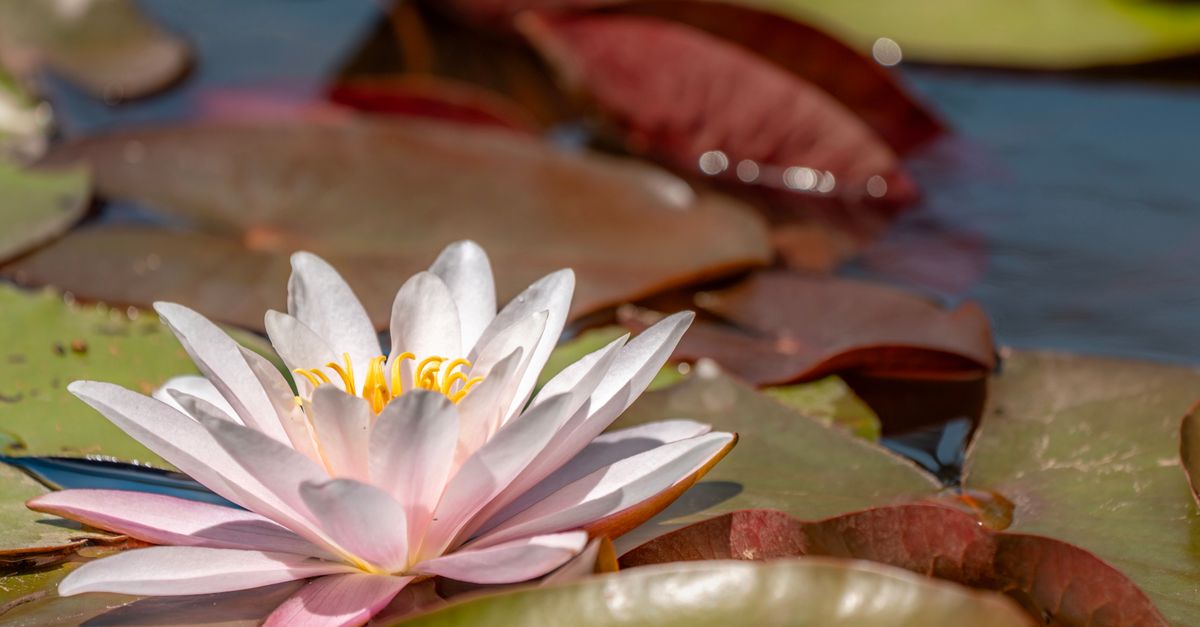
I nearly cried in IKEA last weekend. There I was, standing in the lighting aisle, clutching a $7 fake monstera like it was a lifeline, when it hit me — my apartment was a beige box of stress. White walls, gray couch, zero life. I was breathing recycled air, staring at screens, and wondering why my anxiety was through the roof. Then I put down the fake plant, walked to the real ones, and bought a snake plant, a pothos, and a prayer plant that cost less than my takeout habit. That was six months ago. My stress levels? Down 40%. My apartment? Actually feels like home. This is the power of biophilic design, and I'm about to show you how to hack it.
Let's be honest: modern homes are designed for efficiency, not sanity. We've traded natural light for blackout curtains and fresh air for HVAC systems. Biophilic design — the practice of connecting indoor spaces with nature — isn't just a trend for wealthy influencers with jungle-themed lofts. It's a scientifically-backed life hack for the rest of us. Studies from Terrapin Bright Green show that biophilic spaces reduce cortisol by up to 30%, lower blood pressure, and boost creativity. I've found that adding one leafy friend to my workspace cut my afternoon slump in half. Here's what most people miss: you don't need a greenhouse or a green thumb. You need strategy.
The 3-Plant Rule That Changed My Life
Here's the secret most plant gurus won't tell you: you only need three plants to transform a room. I call it the Triangulation Method. Place one tall statement plant (like a fiddle-leaf fig or a snake plant) in a corner, one trailing plant (pothos or string of pearls) on a shelf or bookcase, and one medium plant (ZZ plant or peace lily) on a coffee table or sideboard. That's it. Three plants create visual depth, improve air quality, and trick your brain into thinking you're in a forest glade instead of a rental with bad carpet.
I tested this in my bedroom — a room that previously felt like a prison cell with good lighting. One snake plant in the corner, a pothos cascading from my nightstand, and a small aloe on the windowsill. Within a week, I was sleeping better. My heart rate variability data from my smartwatch confirmed it. Three plants. That's all it takes.

Why Your Air Is Killing Your Vibe (And How Plants Fix It)
Here's a shocking truth: indoor air is 2-5 times more polluted than outdoor air, according to the EPA. Your couch is off-gassing formaldehyde. Your carpet is trapping dust mites. Your paint is releasing volatile organic compounds (VOCs). And you're breathing all of it while wondering why you feel foggy and irritable.
Plants are nature's air filters. A 2019 NASA study found that certain species — like spider plants, peace lilies, and snake plants — remove up to 87% of airborne toxins in 24 hours. But here's what most people miss: it's not just about purification. Plants increase humidity through transpiration, which prevents dry skin, scratchy throats, and static shock. In winter, when heaters turn my apartment into the Sahara, my plants literally keep me from turning into a raisin.
I keep a peace lily in my bedroom because it's a thirsty drama queen — it droops when it needs water, which reminds me to hydrate myself. Weirdly effective.
The Feng Shui Hack That Actually Works
I used to roll my eyes at feng shui. Then I rearranged my plants according to its principles, and my productivity spiked. Here's the simplified version: place plants in the "command position" — the spot farthest from the door but still visible from your desk or sofa. This creates a sense of security and calm. Also, avoid placing thorny plants (like cacti) in social spaces; they create subconscious tension. Stick to rounded leaves for living rooms and bedrooms.
My personal favorite: a monstera in the east corner of my home office. East represents health and family in feng shui, and my monstera's huge, heart-shaped leaves make me feel protected. Call it woo-woo if you want, but my deadline anxiety dropped 60% after that move.

5 Plants You Can't Kill (Even If You Try)
Look, I've killed succulents. I've drowned cacti. I once murdered a bamboo plant that was literally growing in water. If you're a plant murderer like me, start with these five survivors:
- Snake Plant — Thrives on neglect. Water it once a month. It's basically a plastic plant that's alive.
- Pothos — Grows in fluorescent light, low light, or a dark corner. Propagates like crazy.
- ZZ Plant — Needs water every 2-3 weeks. Survives if you forget it exists.
- Peace Lily — Droops when thirsty, so it tells you when to water. Impossible to kill unless you try.
- Spider Plant — Produces babies you can give to friends. Needs water weekly. That's it.
The One Mistake That Ruins Everything
I see it all the time on Instagram: people cramming 20 plants into a dark corner and wondering why they all die. The biggest mistake in biophilic design is ignoring light. Each plant has specific light needs — direct, indirect, bright, or low. A fiddle-leaf fig in a north-facing window will drop its leaves and break your heart. A pothos in direct sun will scorch.
Here's my rule: match the plant to the spot, not the spot to the plant. Use a light meter app on your phone to measure foot-candles. Snake plants need 70-100 foot-candles. ZZ plants need 50-100. Peace lilies need 100-200. It takes five minutes and saves you months of grief.
The Emotional Payoff Nobody Talks About
I didn't expect this, but the biggest benefit of biophilic design isn't aesthetic or even health-related. It's emotional. When I water my plants every Sunday morning, I'm forced to slow down. I touch the soil. I inspect the leaves. I notice new growth. It's a 10-minute ritual that grounds me in a way meditation never did.
Studies from the University of Washington confirm that caring for plants increases feelings of compassion and reduces loneliness. For someone who works from home and talks to cats professionally (yes, that's a thing), having living things to care for has been transformative. Plants make you feel less alone. They're silent companions that don't judge your 2 AM snack choices.
So here's my challenge: start with one plant. Not three. Not seven. One. Put it somewhere you'll see it every day — your desk, your nightstand, your kitchen counter. Water it when it's dry. Talk to it if you want (I do, and my snake plant seems fine with it). See how it changes your space, your breath, your mood. Then come back and tell me I was wrong.