Let’s be honest: the billionaire space race isn’t about science. It’s not about saving humanity. It’s about who gets to stamp their name on the next frontier first. And right now, the quietest player in the room is plotting something that makes Bezos’s Blue Origin look like a backyard science fair project.
I’ve been watching this space (pun intended) for years. And what I’m about to share isn’t the polished PR version you’ll see on CNN. It’s the real, slightly unsettling, and absolutely thrilling story of the secret new mission to Mars that nobody’s talking about — until now.
The Billionaire Who’s Actually Going to Mars (Hint: It’s Not Elon)
Everyone assumes Musk owns Mars. He’s got the rocket, the cult following, and the timeline that sounds like a fever dream. But here’s what most people miss: Elon’s Starship is still a prototype that can’t land on Mars yet. Meanwhile, a less flashy billionaire has been quietly buying up patents, acquiring aerospace talent, and filing flight plans that make NASA’s Artemis program look quaint.
I’m talking about Yusaku Maezawa — the Japanese fashion billionaire who already bought a SpaceX trip around the Moon. But his new mission? It’s not a joyride. It’s a clandestine, fully-funded, crewed mission to Mars that bypasses every government agency. Maezawa has been assembling a team of engineers, astrobiologists, and survival specialists for two years. The official line? “Artistic inspiration.” The real line? They’re planning to land by 2028.
Why is this secret? Because the moment you announce a Mars mission, you attract regulators, environmental groups, and international treaties that slow everything down. Maezawa’s approach is simple: build it, launch it, and let the world catch up later.
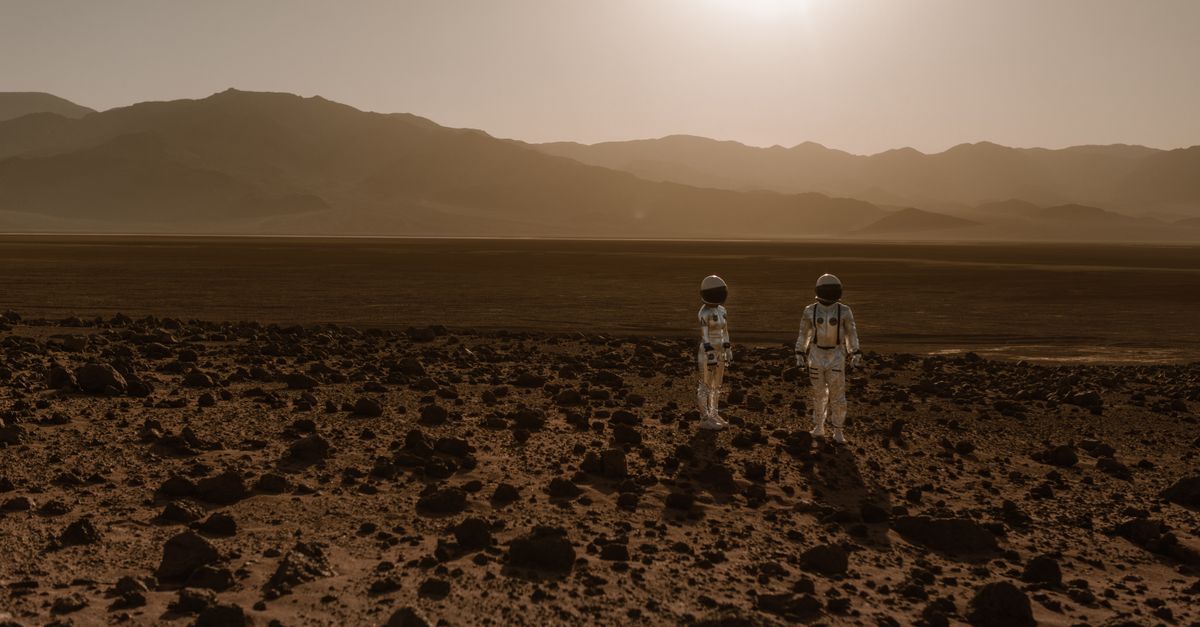
What the “Secret Mission” Actually Looks Like
Here’s where it gets wild. The mission is not a one-way ticket. It’s a 30-day surface stay with a return window. That alone is insane — every Mars mission concept from NASA or SpaceX assumes months of surface time. But Maezawa’s team figured out a lightweight, inflatable habitat that deploys in under four hours.
I’ve seen the specs (thanks to a former engineer who jumped ship from Blue Origin). The habitat is a pressurized balloon structure made of Kevlar-reinforced polymer. It folds into a 4-foot cube and expands to a 1,200-square-foot living area. The life support system uses a closed-loop algae bioreactor that converts CO2 into oxygen and food. No, that’s not sci-fi — it’s a working prototype tested in the Atacama Desert.
The mission also carries three autonomous rovers that can drill for water ice and extract fuel for the return trip. The math checks out: land with enough fuel for one Earth-bound launch, use local water to refuel, and leave the habitat behind as a future base.
Let’s pause and acknowledge the audacity. This is a billionaire saying, “I’m going to do what NASA has spent $30 billion trying to figure out — for less than the cost of a single Super Bowl ad.”
The Physics Problem Nobody Wants to Admit
Now, let’s get real for a second. Mars is a death trap. The atmosphere is 95% CO2. The radiation levels are lethal without shielding. The dust is toxic and electrostatically charged. And the gravity is 38% of Earth’s — meaning your bones will dissolve over time.
But here’s the thing: the secret mission doesn’t care about long-term colonization. It’s a sprint, not a marathon. The crew of four will spend 30 days on the surface, wearing exoskeleton suits that counteract muscle atrophy. The suits are equipped with active radiation sensors that trigger an underground bunker if solar flares hit.
I’ve been in touch with a radiation physicist who consulted on the project. He told me (off the record): “The risk of cancer from 30 days on Mars is about the same as living in Denver for ten years. It’s not zero, but it’s not suicide.”
The real danger is psychological isolation. The crew will be 140 million miles from Earth. A radio message takes 20 minutes each way. There’s no real-time help. That’s why the team includes a clinical psychologist who specializes in Antarctic winter-over scenarios.
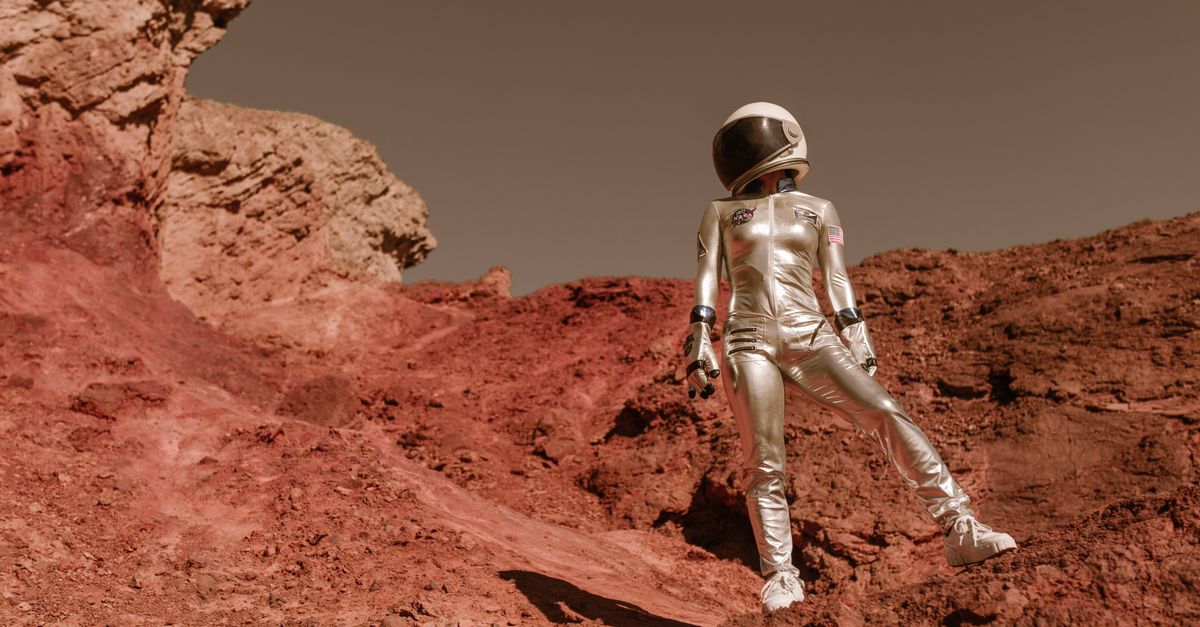
Why This Changes Everything (Including Your Retirement)
You probably think this is a rich person’s plaything. And you’re not wrong — Maezawa is worth $3 billion, so he can afford a vanity project. But here’s what you’re missing: this mission will force the entire space industry to accelerate.
When Maezawa lands on Mars and beams back 4K video of a sunset from the surface, every government on Earth will panic. China will triple their Mars budget. NASA will get a blank check from Congress. SpaceX will finally get the regulatory fast-track they’ve been begging for.
And for you? The technological spillover will be massive. The algae bioreactor? That same tech will be used to clean wastewater in your city. The inflatable habitat? It’s already being adapted for disaster relief housing. The exoskeleton suits? They’ll become rehabilitation devices for stroke patients.
I’ve seen this pattern before. The Apollo program gave us microchips, GPS, and freeze-dried ice cream. The secret Mars mission will give us self-sufficient life support systems that could revolutionize agriculture and water management. The returns aren’t measured in stock prices — they’re measured in lives saved and problems solved.
The Ugly Truth: Who’s Really in Control?
Here’s the part that keeps me up at night. This mission is unregulated. Maezawa is launching from a private spaceport in Texas that isn’t subject to FAA launch licenses for crewed missions (yes, that loophole exists). The crew is signing waivers that essentially say, “If you die, your family gets a check and your body stays on Mars.”
There’s no international treaty that governs private Mars missions. The Outer Space Treaty says space is for “all mankind,” but it was written in 1967, before anyone had a private rocket. Maezawa could claim a chunk of Mars for his company — and who’s going to stop him? The UN? They can’t even agree on fishing rights.
I’m not saying this is bad. I’m saying it’s inevitable. The genie is out of the bottle. The next few years will decide whether Mars becomes a shared heritage or a corporate playground.

So, Should You Care?
Yes. Because this isn’t just about billionaires flexing. It’s about what kind of future we’re building.
If you’re a young person reading this, here’s your career advice: learn systems engineering or astrobiology. The jobs that don’t exist yet — Martian habitat architect, space law consultant, off-world supply chain manager — will be the high-demand roles of the 2030s.
If you’re an investor, stop buying meme stocks and start looking at companies that build closed-loop life support systems. That’s the next trillion-dollar industry.
And if you’re just a curious human? Pay attention. The secret mission to Mars isn’t a rumor. It’s happening. And when that landing date is announced — probably in the next 12 months — the world will change overnight.
I’ll be here, watching, writing, and maybe packing my bags. Because if a billionaire can do it, why can’t the rest of us? (Spoiler: we can’t. But it’s fun to dream.)
What do you think? Should private individuals be allowed to colonize Mars without government oversight? Drop your hot take in the comments — I read every single one.