
I remember the exact moment I knew something had shifted. It was a Tuesday night, and I was watching a livestream of my favorite indie band playing to an empty venue. The guitarist cracked a joke about the silence, and the drummer laughed. But it wasn't funny. It was heartbreaking. For two years, we'd traded sweat-soaked mosh pits for pixelated rectangles. We'd convinced ourselves that a 4K stream was just as good as being there. Let's be honest — we were lying to ourselves. Then, last summer, I attended my first live event post-pandemic: a small comedy show in a basement theater. The room was packed, the AC was broken, and the comedian flubbed a punchline. The audience groaned, then erupted in laughter. That groan — that shared, imperfect, human moment — was the loudest sound I'd heard in years. And it told me everything I needed to know about why live events are making a comeback.

The Great Digital Hangover
We went all-in on digital. Zoom happy hours, virtual concerts, online conferences. We told ourselves it was the future. But here's what most people miss: digital convenience is a seductive trap. It's like eating a protein bar when you're starving — it keeps you alive, but it doesn't feed your soul.
I've found that after two years of screen-dependent living, we're experiencing a collective hangover. Our eyes are tired. Our shoulders are hunched. And deep down, we know that watching a concert on YouTube isn't the same as feeling the bass in your chest. The digital world promised us connection without friction, but it delivered connection without depth.
The numbers back this up. Ticket sales for live events in 2024 are projected to exceed pre-pandemic levels by 15%. Festivals are selling out in hours. And here's the kicker — people are paying more for in-person experiences than ever before. We're not just returning to live events; we're investing in them like they're precious commodities. Because they are.
The Social Media Paradox
Here's the irony that keeps me up at night: social media is both the enemy and the ally of live events. Think about it. We scroll through Instagram and see friends at concerts, festivals, and shows. That FOMO is real. It drives us to buy tickets. But once we're at the event, what do we do? We pull out our phones to document it for the very platform that convinced us to go.
I've started calling this the "participation paradox." We're so obsessed with proving we were there that we forget to actually be there. But here's the shift I'm seeing: younger audiences are pushing back. At a recent music festival, I noticed a group of Gen Z kids who had locked their phones in a rented safe. They were dancing, talking to strangers, and actually watching the stage. When I asked why, one girl said, "If I'm paying $300 to be here, I want to remember it with my eyes, not my screen."
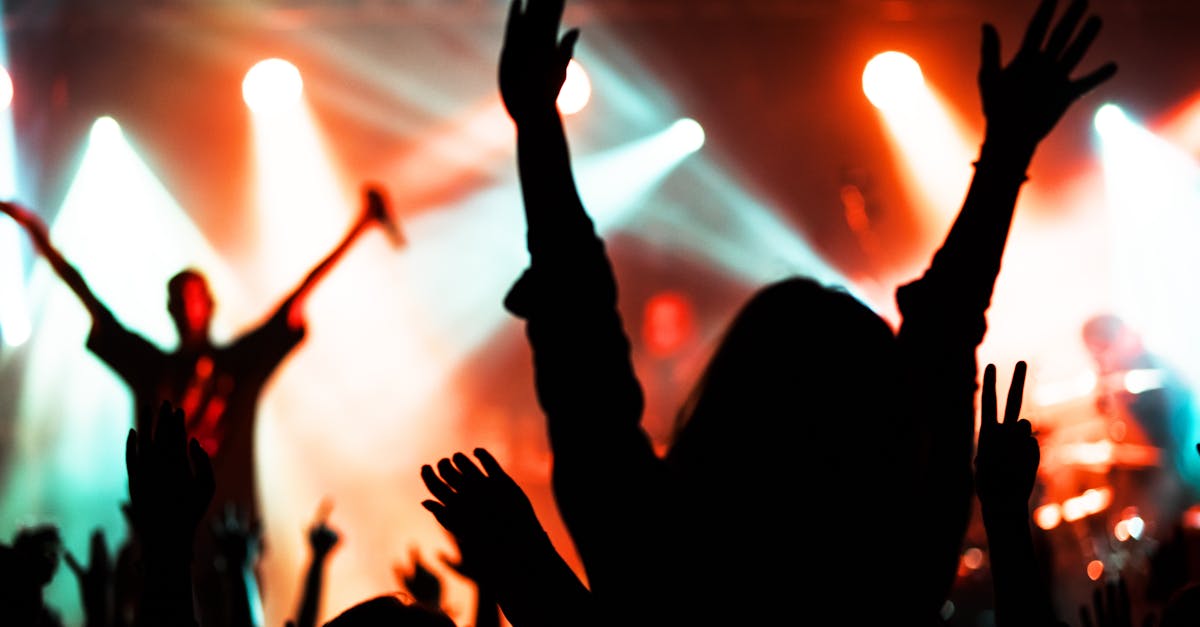
That's the secret most people miss. Live events are winning because they offer something digital can't fake: presence. You can't screenshot the feeling of a stranger's elbow in your ribs during a guitar solo. You can't DM the smell of rain on a festival field. These are analog experiences in a digital age, and we're starving for them.
The Three Things Live Events Do Better Than Screens
After attending over 30 live events in the past year — from poetry slams to football games — I've boiled it down to three undeniable truths:
- Shared vulnerability creates connection. When a performer messes up, or the sound system cuts out, or it starts raining, a weird magic happens. The audience becomes a team. We're all in it together. You don't get that from a perfectly edited livestream.
- Unpredictability is addictive. Digital content is designed to be predictable. Algorithms feed us what we already like. Live events are the opposite. You never know if the night will be transcendent or a disaster. That uncertainty is what makes it exciting.
- Memory is physical. I've found that I remember live events not as videos, but as sensations. The heat of a crowded room. The vibration of a bass drop. The taste of overpriced beer. These sensory details stick with us in ways pixels never can.
The Rise of the "Micro-Event"
While stadium tours and mega-festivals grab headlines, the real story is happening in smaller venues. I'm talking about micro-events: 50-person dinner parties with live musicians, underground art shows in warehouses, pop-up poetry nights in bookstores.
These events are thriving because they offer something massive events can't: intimacy. You're not a face in a crowd. You're a participant. I attended a micro-concert last month where the band played in someone's living room. There were maybe 30 people. The singer made eye contact with everyone. At one point, she forgot the lyrics and asked the audience to help. We did. And it was more memorable than any arena show I've ever seen.
The economics work, too. Micro-events have lower overhead and higher ticket prices per person. They create scarcity and exclusivity without being elitist. They're the antidote to the mass-produced digital experience.
Why I'm Betting on Live (and You Should Too)
Here's my hot take: the comeback of live events isn't a trend. It's a correction. For two years, we lived in a digital simulation of connection. We accepted it because we had to. But now that we've tasted the real thing again, there's no going back.
I've started making a conscious choice: if I can see it live, I will. I've canceled streaming subscriptions and redirected that money to tickets. I've traveled three hours for a 45-minute set. I've stood in the rain for a street performer. And every single time, it's been worth it.
The digital world is not going away. It shouldn't. But I believe live events are becoming the luxury good of the 21st century. In a world of infinite content, physical presence is the rarest thing you can buy. It's the one experience that can't be duplicated, downloaded, or streamed.

So here's my challenge to you: the next time you're scrolling through event listings, resist the urge to think "I'll just watch the highlight reel later." Buy the ticket. Show up. Put your phone away. Let the stranger next to you spill their drink on your shoe. Laugh when the performer messes up. Be present.
Because the screen will always be there tomorrow. But that moment — that imperfect, messy, glorious live moment — only happens once.
And trust me, you don't want to miss it.


