Last Friday, I sat in my living room, phone in hand, watching a friend’s Instagram Story. She was at a virtual concert—not a livestream of a band playing in an empty stadium, but an interactive live experience where she could vote on the setlist, chat with the artist between songs, and even trigger visual effects on her screen by tapping. Meanwhile, another friend was in a different city, hosting a "movie night" that wasn't a movie at all. It was a live, choose-your-own-adventure thriller where the audience decided the plot in real-time via polls. I glanced at my own plans: a traditional concert ticket I’d bought three months ago and a DVD of a classic film. Suddenly, both felt… ancient.
Let’s be honest: the way we consume entertainment is shifting under our feet. The days of passively sitting in a dark theater or standing shoulder-to-shoulder at a festival are being challenged by something more visceral, more personal, and frankly, more addictive. Interactive live experiences aren’t just a trend—they’re becoming the new standard. Here’s what most people miss: we’re not just replacing the medium; we’re replacing the feeling of being a spectator with the feeling of being a participant.

The Death of the Passive Seat
I’ve found that the biggest shift isn’t about technology—it’s about ownership of the moment. When you buy a ticket to a traditional concert, you’re buying a seat. You’re agreeing to watch what someone else has curated for you. But interactive live experiences flip that script. Suddenly, you’re not just watching; you’re steering.
Remember the last time you went to a movie and someone checked their phone? That’s not rudeness—it’s boredom. Our brains are wired for agency. When you can’t interact, you check out. Interactive live experiences solve this by making attention a currency. You don’t just watch the show; you shape it.
Here’s a real-world example: last month, I joined a live "escape room" session streamed from a studio in London. The host was a real actor, and we—the audience—used emoji reactions to unlock clues. One wrong vote, and the story took a dark turn. The thrill wasn’t in the plot itself, but in the collective decision-making. It was like a game, a movie, and a party all at once. Traditional concerts can’t offer that. They can’t let you change the lighting, choose the encore, or influence the narrative. But interactive live experiences can—and they’re winning.
The Secret Sauce: Real-Time Agency
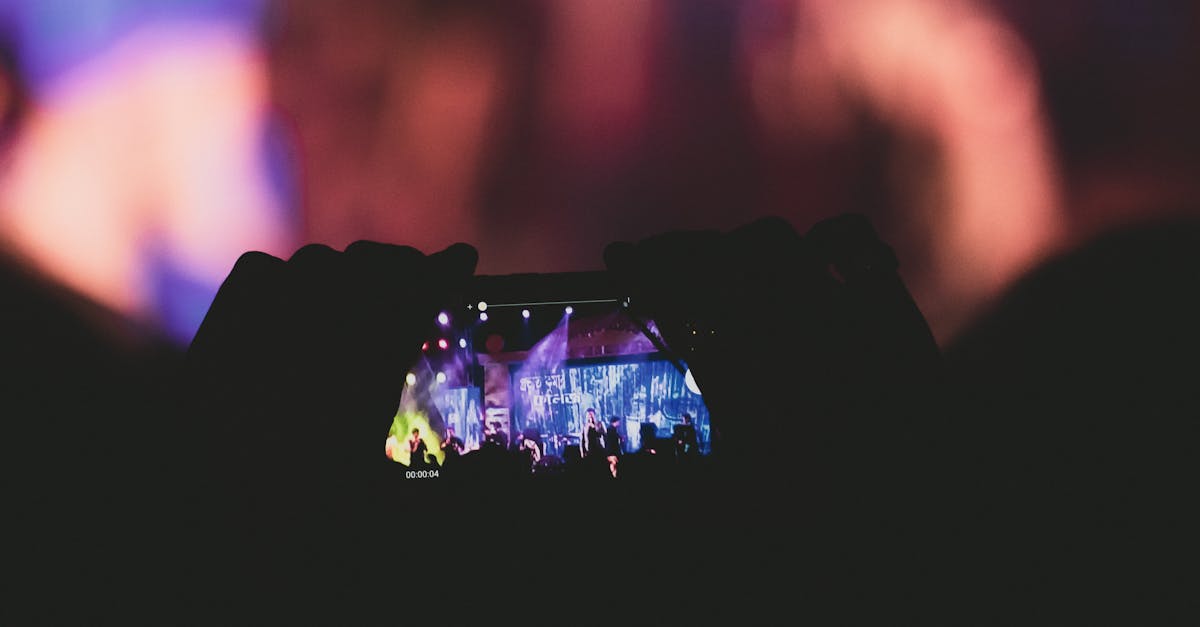
What makes these experiences so addictive? It’s not just the technology—it’s the psychological payoff. When you participate in a live interactive event, your brain releases dopamine not just from the content, but from the act of choosing. Here’s what most people miss: traditional entertainment is a one-way street. Interactive live experiences are a roundabout.
Consider the rise of platforms like Twitch, where streamers don’t just perform—they talk to their audience, take suggestions, and even let viewers control the game. That same energy is bleeding into music and film. I’ve seen artists pause a song mid-performance to read live comments, then change the next lyric based on what fans typed. I’ve seen movie nights where the audience votes on which character survives. This isn’t gimmickry—it’s a fundamental redefinition of the artist-audience relationship.
And let’s not pretend this is niche. In 2023, a major artist held a virtual concert where fans could "enter" the stage via their phones and dance alongside the performer’s avatar. Over 1 million people participated. That’s more than any single stadium could hold. The scalability of interactive live experiences is shocking.
Why Traditional Concerts Are Losing (and How to Fix Them)
I’ll say it: I love live music. The smell of a sweaty crowd, the vibration of a bass drum in your chest—there’s nothing like it. But let’s be real: traditional concerts are expensive, inconvenient, and increasingly exclusive. A ticket to a top-tier show can cost $300, plus parking, plus drinks, plus the risk of a bad view. And once you’re there, you’re locked in. No changing the setlist. No leaving for a bathroom break without missing a song.
Interactive live experiences solve all of that. They’re cheaper, more accessible, and far more flexible. But here’s the hidden truth: they don’t have to replace the physical experience—they can enhance it. Imagine a concert where your phone becomes a light show controller, or where the band takes requests via a live poll between songs. Some artists are already doing this, and the feedback is electric.
The same goes for movie nights. Streaming services are experimenting with "branching narratives" where viewers choose the next scene. But the real magic happens when it’s live—when you know that thousands of other people are making the same choice at the same moment. That shared agency creates a bond that passive viewing never can.
The Hidden Cost of Always Participating
Now, I have to be honest. There’s a dark side to this shift. Constant interaction can be exhausting. Sometimes, I just want to watch a movie without making decisions. I want to let the artist take me on a journey without my input. Interactive live experiences demand energy. They require you to stay engaged, to vote, to react. If you’re tired after a long day, the last thing you want is to be "part of the show."
I’ve found that the best interactive experiences build in "coasting" modes—periods where the audience can just watch and breathe. But not all creators get this right. Some bombard you with polls every 30 seconds, turning the experience into a chore. The secret to a great interactive live experience is knowing when to let go. It’s a delicate balance between agency and relaxation.
What This Means for the Future of Entertainment
Here’s my prediction: within five years, most major concerts and movie premieres will offer some form of interactive component. It won’t be a gimmick—it will be expected. Artists and filmmakers will hire "interaction directors" just like they hire lighting and sound designers. The line between player and viewer will blur until it’s almost invisible.
But here’s what I really want you to take away: you don’t have to choose. You can still go to a traditional concert and scream along with the crowd. You can still curl up on the couch with a linear movie. But if you haven’t tried an interactive live experience yet, you’re missing out on a whole new dimension of entertainment. It’s not about "better" or "worse"—it’s about adding a new tool to your fun arsenal.
So here’s my call-to-action: this weekend, find one interactive live experience to try. It could be a virtual concert, a live-audience game show, or a choose-your-own-adventure stream. Don’t just watch—participate. Let me know how it feels. Because I’m willing to bet that once you taste that agency, you’ll never look at a passive screen the same way again.