
Remember the 2021 Tokyo Olympics? The images that stuck with me weren't all gold medals and triumphant podiums. They were of Simone Biles, the greatest gymnast of all time, stepping back from competition, citing her mental health. The world watched, holding its breath. Here was an athlete at the absolute peak of her physical powers, making a decision that had nothing to do with a torn muscle or a broken bone, but with the weight inside her own mind. For a moment, the entire, multi-billion dollar spectacle of professional sports paused. And it hasn't been the same since.
That moment wasn't an anomaly; it was a culmination. A crack in the dam of the old "suck it up and play" mentality that had defined sports for over a century. Suddenly, the conversation shifted from the 40-yard dash time to the invisible opponent every athlete faces: the pressure, the isolation, the relentless scrutiny. We're now witnessing a fundamental reshaping of professional sports, where mental fortitude is no longer just a cliché, but a quantifiable, investable asset. The future isn't just about who's fastest or strongest, but about who is most resilient.

The End of the "Toughness" Myth
Let's be honest, for decades, the culture was brutal. Playing through pain was heroic. Showing emotional vulnerability was a sign of weakness. Athletes were seen as gladiatorial machines, their value tied solely to their physical output. I've found that this created a dangerous dissonance. You'd have a 22-year-old rookie, hailed as a franchise savior, handed millions of dollars, and then told to ignore the tidal wave of criticism, the death threats on social media, and the paralyzing fear of failure. The system demanded superhuman emotional control while providing almost no tools to achieve it.
The cost of this myth was paid in silence. Burnout, anxiety, depression, and substance abuse were the open secrets of locker rooms. Careers ended prematurely not from ACL tears, but from the slow, grinding erosion of passion and joy. What most people miss is that mental health isn't the opposite of toughness; it's the foundation of it. Sustainable performance requires a mind that can recover, adapt, and focus under fire, not just a body that can.
From Perk to Priority: The Rise of the Mental Performance Staff
This is where the real shift is happening. It's moving from reactive crisis management to proactive performance science. Teams aren't just hiring therapists for when things go wrong; they're building entire departments dedicated to mental performance.
Walk into a modern professional team's facility now, and alongside the weight room and film room, you might find: Mindfulness and meditation pods for cognitive recovery. Sports psychologists embedded with the team, as commonplace as the strength coach. Biometric monitoring that tracks stress and sleep quality with the same rigor as heart rate. Digital mental wellness platforms providing 24/7, confidential support.
These aren't soft benefits. They're performance multipliers. A player who sleeps well, manages anxiety, and has tools for focus is a player who makes better decisions in the final two minutes of a game. Teams are starting to see the ROI not in vague "feel-good" metrics, but in wins and losses, contract longevity, and asset protection. Your star player is a $200 million investment. Why wouldn't you invest in protecting the software that runs the hardware?

The Athlete as a Whole Person, Not a Commodity
Perhaps the most profound change is narrative. Athletes like Simone Biles, Naomi Osaka, Michael Phelps, and Kevin Love didn't just use their platforms; they shattered them. By speaking openly about their struggles with depression, anxiety, and the pressures of fame, they re-humanized themselves in the public eye. They forced fans, media, and front offices to see the person behind the jersey.
This has a cascading effect. Young athletes now have permission to prioritize their mental well-being. A top draft prospect can negotiate for mental health resources in their contract without stigma. The mental health day is becoming as legitimate as the injury report. This shift acknowledges a simple truth: you cannot compartmentalize a human being. What happens off the field irrevocably shapes what happens on it.
The Fan's Role in This New Era
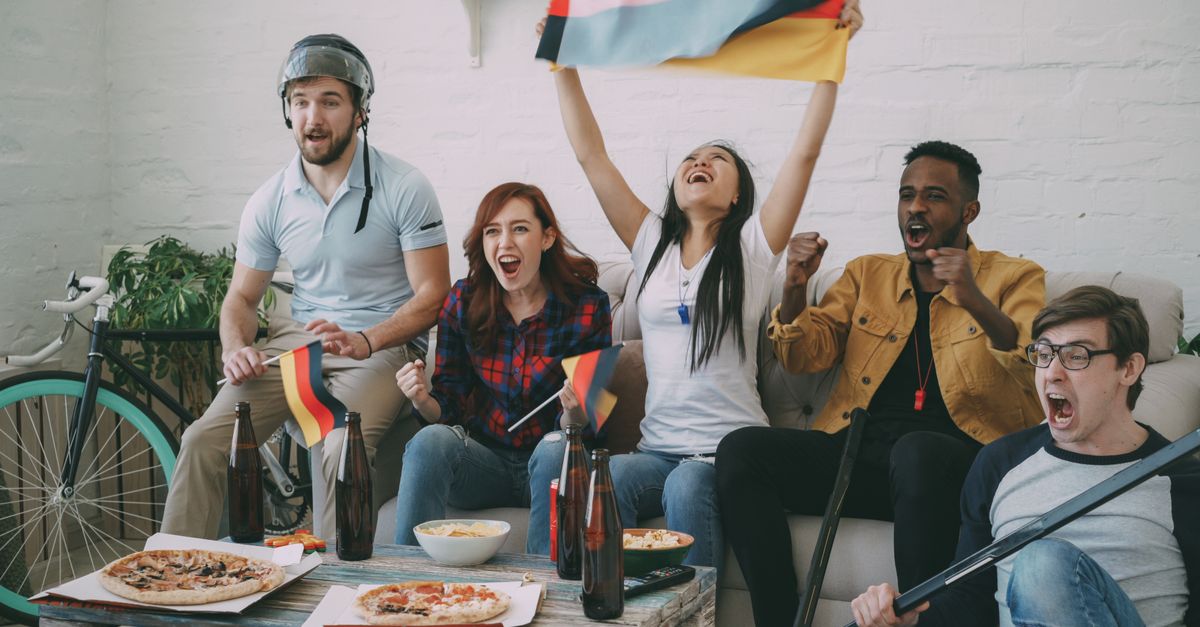
And what about us? The fans, the screaming crowds, the armchair critics on Twitter? Our role is evolving, too. The toxic "they get paid millions to play a game, they should deal with it" rhetoric is being challenged. We're starting to understand that our words—the boos, the viral hate tweets, the relentless criticism—have a tangible, neurological impact on the people we claim to support.
This isn't about coddling athletes. It's about holding a mirror up to our own behavior as part of the sports ecosystem. The future of fandom might involve a little more empathy, recognizing that the player who just missed the game-winning shot is a person who will replay that moment in their head a thousand times, with or without our vicious commentary.
The Unseen Competitive Advantage
So, where does this leave us? The landscape is being redrawn. The teams and leagues that lean into this holistic approach aren't just doing the "right thing"—they're building a massive competitive advantage. They'll be the ones attracting top talent who value a supportive environment. They'll have players with longer, more consistent careers. They'll foster a culture where communication thrives and problems are addressed before they explode.
The next great sports dynasty might not be built on a revolutionary offensive scheme, but on a revolutionary culture of psychological safety and resilience.
The final score will always flash on the board. But the real game, the one that determines who gets to play their best when it matters most, is happening long before the opening whistle. It’s happening in the mind. And for the first time in sports history, we’re all paying attention. The question is, are you ready to root for that game, too?


