
Here’s the truth no one in Silicon Valley wants you to hear: your lack of focus isn't a personal failing. It's a product, and you are the factory. Every time you blame yourself for scrolling mindlessly or failing to finish a book, you’re playing right into the hands of an industry that has spent billions to make distraction its default setting. Let's be honest, the game is rigged. But that doesn't mean we can't fight back.
I used to wear my busyness like a badge of honor. Multitasking through a podcast, a work email, and a group chat? Productivity champion. But then I noticed something unsettling. I couldn’t sit through a movie without checking my phone. I’d read a page of a novel and realize I’d absorbed nothing. My brain felt like a browser with 47 tabs open, all playing different videos. The constant ping had eroded my capacity for deep, sustained attention—the very thing that makes us creative, empathetic, and truly productive. This wasn't just burnout; it was a hijacking.
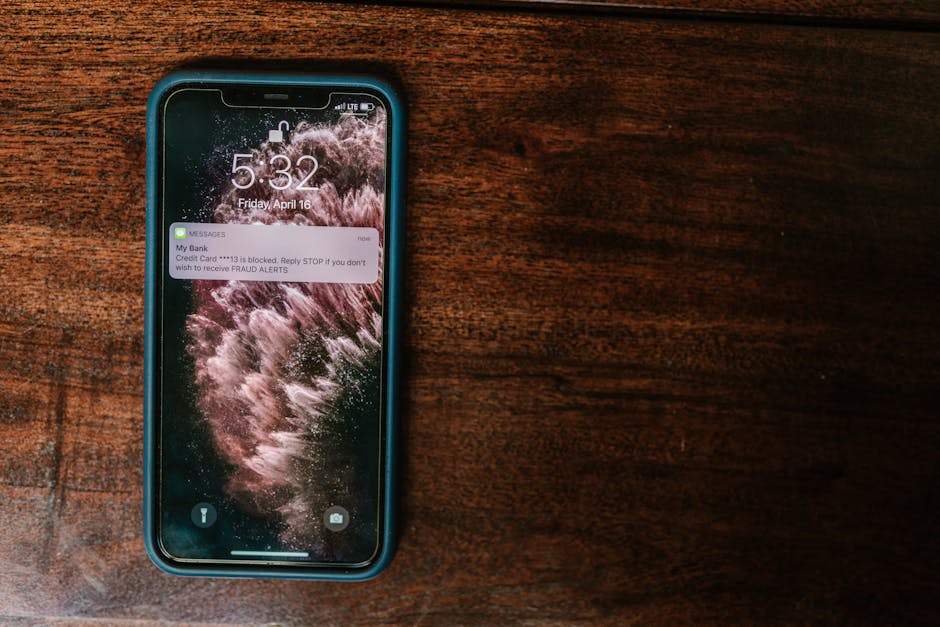
The Attention Economy’s Dirty Little Secret
We talk about the "attention economy" like it's a neutral market force. It’s not. It’s a meticulously engineered extraction system. Every app on your phone, every social platform, every streaming service is in a brutal war for your most finite resource: your time and focus. Their business models depend on it. The longer you stay, the more ads you see, the more data you generate, the more you can be monetized.
The weapon of choice? The algorithm. It’s not just recommending content; it’s profiling your psychological vulnerabilities. It learns what triggers your dopamine—outrage, FOMO, curiosity, social validation—and serves it up in an endless, autoplaying stream. It creates a state of "continuous partial attention," where we’re always scanning, never settling. The goal is to keep you in a loop, not to fulfill you. Ever wonder why you can’t remember the last 10 Reels you watched? That’s by design.
Your Phone Isn't a Tool; It's a Slot Machine
Think about the physical design. Notifications are variable rewards—you pull the lever (check your phone) not knowing if you’ll get a social jackpot (lots of likes) or nothing. That’s straight from casino psychology. The infinite scroll eliminates natural stopping points. The haptic buzz is a Pavlovian call you feel in your pocket.
Here’s what most people miss: Reclaiming your attention isn't about willpower. It's about architecture. You wouldn’t try to diet while living in a candy store. So why try to focus while living in a device engineered for distraction? Blaming your lack of discipline is like blaming yourself for getting wet in a rainstorm you built. The first step is to stop the downpour.
Digital Decluttering: Beyond App Limits
Most advice starts with "set screen time limits." That’s like putting a band-aid on a broken leg. We need to get surgical. I’ve found that real change starts with a ruthless audit.
- *Turn Off All Non-Essential Notifications. Every ping is a permission slip for an interruption. The world survived for millennia without instant alerts. Your boss can call if it’s urgent. Your friends can wait.
- Grayscale Your Screen. This was a game-changer for me. Suddenly, your phone looks like a boring utility, not a shiny toy. It removes the emotional candy-coating that triggers compulsive checking.
- Create Friction for Time-Suck Apps. Move your social media apps off your home screen and into a folder titled "Time Wasters." Better yet, delete them from your phone and only use them on a desktop browser. The extra steps create a moment of conscious choice.
- Curate Your Inputs Aggressively. Unfollow accounts that make you feel anxious or inadequate. Mute topics that fuel outrage. Your digital space should feel like a curated gallery, not a chaotic landfill.
The Lost Art of Boredom (And Why It’s Essential)
We’ve become terrified of empty space. A 30-second wait in line? Quick, check the phone! This constant stimulation is starving our minds. Boredom is not the enemy; it's the incubator for original thought. It’s in those unfilled moments that our brain makes unexpected connections, that creativity sparks, and that we actually process our lives.
Try this: go for a walk without headphones. Just walk. Notice the world. Your mind will rebel at first, screaming for stimulation. Sit with that discomfort. It’s in that quiet resistance that your scattered attention begins to re-coalesce. I started doing this, and the first few times were agonizing. By the third, I had the outline for this article. The ideas didn't come while I was staring at a screen; they came in the quiet space I’d forcibly created.

Building a Fortress of Focus
Reclaiming attention isn't just about subtracting the bad; it's about adding the good. You need to actively build environments and rituals that support deep work.
Designate Sacred Spaces: My desk is for work. My armchair is for reading. My bed is for sleep. No devices cross these boundaries. This physical segmentation trains your brain to enter the right mode for each activity. Embrace Time-Blocking: Schedule your focus like you schedule meetings. A 90-minute block for a project, with your phone in another room, is infinitely more powerful than 8 hours of "available" time peppered with interruptions. Return to Analog: Keep a physical notebook for ideas. Read paper books. The tactile, single-purpose nature of these objects provides a sanctuary from the multitasking demands of digital.
The goal isn't to become a Luddite. It’s to move from being a passive consumer of attention-grabbing content to an active director of your own cognitive resources. The algorithms will always be there, humming away, trying to pull you back in. Your job is to build a life so interesting and engaging that the pull of the digital world feels weak by comparison.
So, what’s one digital boundary you will build today? One space you will reclaim? The fight for your attention is the fight for your mind, your time, and ultimately, your life. Don’t just scroll through it.
Follow us YouTube. Follow for more great content!





