
Remember that old, gnarled apple tree at my grandparent’s farm? As a kid, I’d climb it, eat its tart fruit, and carve my initials in its bark. For years, we just took from it. Then one season, my grandfather started a new ritual. He’d save the best apples, crush them for seeds, mix the pulp into compost from our kitchen scraps, and carefully nurture new saplings in its shade. He wasn’t just harvesting; he was actively improving the soil, expanding the orchard, and ensuring it would be more vibrant for the next generation.
That tree stopped being just a resource. It became part of a living system we were obligated to replenish. It hit me recently: our entire global economy has been acting like my eight-year-old self—climbing, taking, carving our initials, and moving on. We’ve built brilliant systems for extraction, but pathetic ones for regeneration. What if profit wasn’t the result of depletion, but of healing?
That’s the seismic shift we’re starting to see. ESG (Environmental, Social, and Governance) metrics were the crucial first step—a framework to stop doing quite so much harm. But let’s be honest, ESG is largely about risk mitigation and doing less bad. It’s corporate damage control. The next frontier isn’t about being “less bad.” It’s about being net-positive. Welcome to the era of the regenerative business model, where companies profit by actively healing the world.
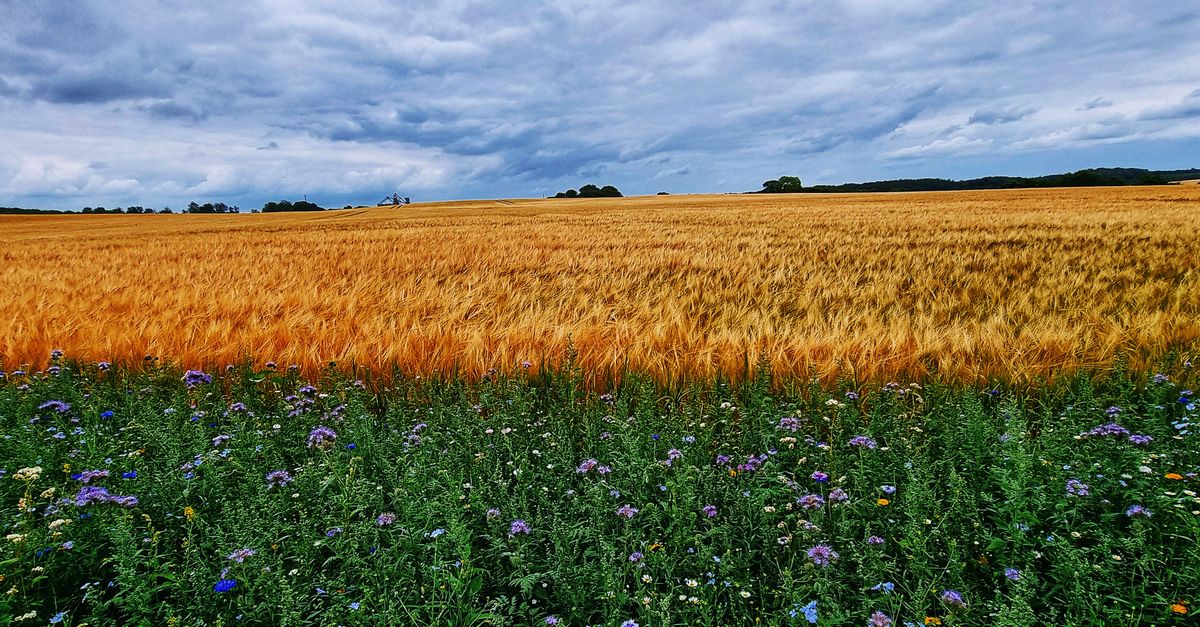
From Balance Sheets to Life Sheets
ESG asks, “Are we managing our negative impacts responsibly?” Regenerative business asks, “How can our existence create a tangible, positive footprint?” It flips the script from minimization to contribution.
Think about it. A company with a great ESG score might reduce its carbon emissions by 5% year-on-year, treat its wastewater before dumping it, and have a diverse board. All good. Necessary, even. But a regenerative business looks at that same factory and asks: Can our operations increase biodiversity around our site? Can our product sequester carbon? Can we design a supply chain that elevates the socioeconomic health of every community it touches?
The goal isn’t a neutral footprint. It’s a handprint—a measurable, positive imprint.
The Regenerative Blueprint: It’s Not Just for Farmers
When you hear “regenerative,” you might think of agriculture—and you’d be right. Pioneers like Patagonia Provisions or Dr. Bronner’s are investing in regenerative organic farming that rebuilds topsoil, captures carbon, and enhances ecosystems. But this isn’t just a trend for hippies and farmers. The principles are infiltrating every sector.
Here’s what most people miss: regeneration is a design framework. It’s about creating virtuous cycles instead of linear, take-make-waste pipelines. It means seeing your business as part of a living system, not an isolated machine.
Let’s break down a few core principles:
- Outputs Become Inputs: Waste is a design flaw. A regenerative company sees its “waste” as food for another process. Imagine a fashion brand where old garments are not just recycled, but are designed to be composted, becoming nutrients for the cotton fields that grow its next collection.
- Empower, Don’t Just Employ: It’s about creating reciprocal relationships. Instead of just paying a living wage, a regenerative business might help suppliers gain ownership stakes, share proprietary technology to boost their resilience, or co-invest in local community infrastructure.
- Heal the Systems You Touch: This is the big one. Does your business model improve the health of the ecological and social systems it depends on? For a tech company, this could mean funding digital literacy programs that create its future customer base and a more equitable society. For a bank, it could mean profit-sharing with clients when green investments perform well.

The Profit Paradox: Why Healing Pays More Than Harming
I can hear the skeptical CFO now: “Healing the planet sounds expensive. Where’s the ROI?”
This is the beautiful part. Regenerative models aren’t charity; they’re superior risk management and innovation engines. They build unshakable resilience.
Consider the risks a regenerative model mitigates: Supply Chain Collapse: If your food brand depends on regeneratively managed farms, you’re investing in soil that withstands drought and flood. That’s cheaper than losing your entire crop to climate volatility. Talent Drain: The best talent, especially Gen Z, wants to work for purpose-driven entities. A company that demonstrably heals the world becomes a talent magnet. Consumer Distrust: Greenwashing is getting harder. Authentic, embedded regeneration is a story you can’t fake, building fierce brand loyalty. Resource Scarcity: If your process is circular, you’re immune to the price shocks of virgin materials.
The ROI is in longevity, loyalty, and license to operate. Companies like Interface (carpet tiles that are carbon-negative), Allbirds (working toward regenerative wool), and even larger corporations like IKEA (investing in regenerative forestry) aren’t doing this for feel-good PR. They’re doing it because they see it as the only viable, profitable long-term strategy.
Your First Step Off the ESG Plateau
So, you’re convinced ESG is table stakes and you’re curious about regeneration. Where do you start? Don’t try to overhaul everything at once. That’s a recipe for failure.
Start with a single, powerful question for your leadership team: “Which one of our core business activities currently damages a system we depend on, and what would it look like if it healed that system instead?”
For a coffee company, the system is tropical agriculture. Could you shift a line of products to sourced from farms that increase rainforest canopy cover?
For a software company, the system might be digital wellbeing. Could you build features that genuinely reduce screen time and anxiety, even if it means slightly less user engagement?
Pick one pilot. Measure the positive impact alongside the financials. Tell that story. Then scale what works.

The Future Isn’t Less Bad, It’s Abundantly Good
We’re at a crossroads. We can continue down the path of incremental reduction, polishing our ESG reports while the foundations crumble. Or we can choose a different logic—one modeled not on the mine, but on the forest. A forest where growth, decay, and rebirth create more life, more richness, and more resilience with every cycle.
The businesses that will thrive in the coming decades won’t be the ones that are best at exploiting a dying paradigm. They’ll be the ones that are architects of a living one. They’ll prove that the most valuable asset isn’t what you extract from the world, but what you leave thriving in your wake.
The question is no longer “How do we sustain our business?” The imperative question is becoming: “Is the world better because our business is in it?” How will you answer?





