
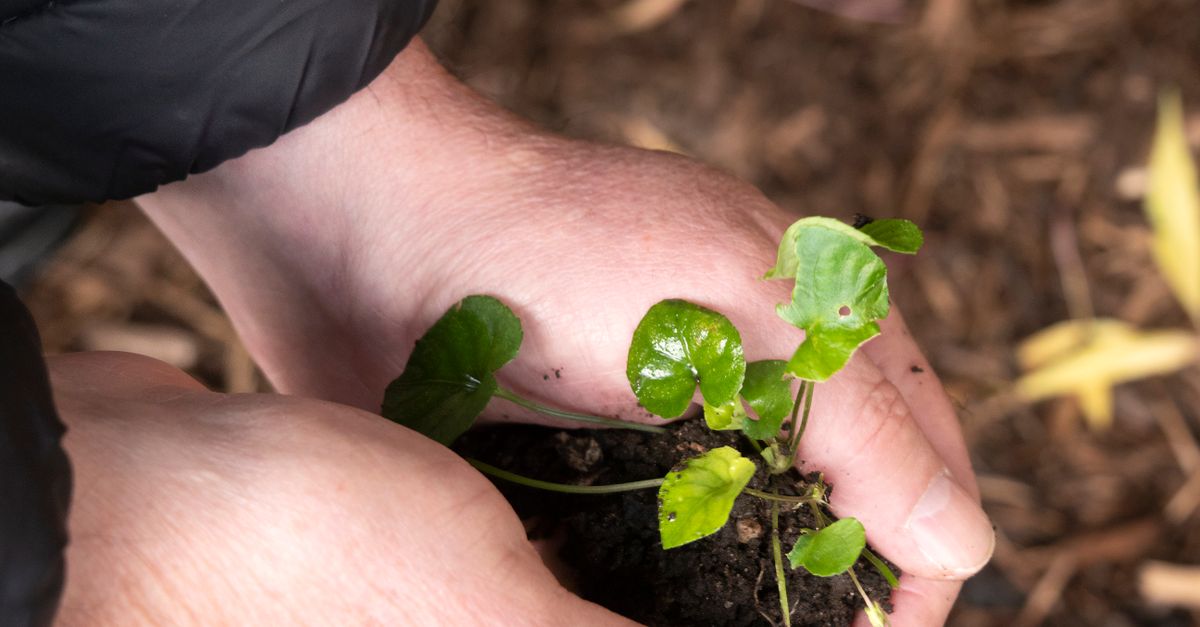
Remember that old patch of dirt behind my uncle’s farmhouse? For years, it was just… there. Hard-packed, lifeless, a place where nothing but the toughest weeds dared to grow. Then, one season, he started doing things differently. He planted cover crops, introduced compost, and let the land rest. It wasn't about just not harming it anymore; it was about actively healing it.
Two years later, that same patch was teeming with life—worms in the soil, bees on the clover, vegetables bursting with color. He didn't just sustain that piece of earth; he made it more alive, more resilient, and infinitely more productive than it was before.
That, right there, is the leap we’re now being asked to make in business. We’ve spent the last decade obsessing over ESG metrics and sustainability reports—trying to minimize our footprint, to be "less bad." But what if the real opportunity isn't in being less bad, but in being actively good? What if the next competitive moat isn't just about risk mitigation, but about regeneration?
Let’s be honest: ESG, for all its good intentions, has become a bit of a compliance-driven checkbox exercise for many. It’s about transparency on what you’re taking and what waste you’re producing. Regenerative business flips the script. It asks: How can our operations restore ecosystems, replenish communities, and revitalize our own organizational health? It’s not an add-on; it’s the core operating system.

From Footprint to Handprint: The Regenerative Mindset Shift
Think about your own carbon footprint. The goal is to shrink it, ideally to zero. Important? Absolutely. But it’s a defensive, limiting goal. The regenerative mindset focuses on your handprint—the positive, tangible impact you can create.
A company minimizing its water use is practicing good ESG. A company that returns more clean water to the watershed than it uses, or that restores a local aquifer, is practicing regeneration. One is about restraint; the other is about contribution. This shift changes everything—from product design and supply chains to employee engagement and customer loyalty.
Here’s what most people miss: regeneration isn’t just for organic farms or Patagonia. It’s a powerful lens for any sector.
In Tech: It’s moving beyond energy-efficient data centers to companies like Apple restoring mangroves to sequester carbon or Google funding projects that put renewable energy onto the grid, not just powering their own operations. In Fashion: It’s brands like Allbirds investing in regenerative wool and leather, where farming practices improve soil health, or The North Face sourcing from farms that rebuild topsoil. In Finance: It’s impact investing funds that explicitly seek out ventures restoring ecosystems or building community wealth, measuring success in restored hectares and jobs created in marginalized areas, alongside financial return.
The Surprising (and Tangible) Business Benefits
This sounds warm and fuzzy, I know. But the data and the market signals are getting brutally pragmatic. Adopting a regenerative business model is becoming one of the sharpest competitive advantages you can wield. Here’s why:
- Radical Resilience: Regenerative supply chains are inherently more resilient. A farm practicing regenerative agriculture has healthier soil that retains water better, survives droughts, and yields more nutritious crops. If you depend on agricultural inputs, which business would you rather be tied to: one on the brink of topsoil depletion, or one that is actively making its land more robust every season?
- Deep Talent Magnetism: The best talent, especially Gen Z and millennials, aren’t just looking for a paycheck. They’re looking for purpose. Telling a prospective hire you’ve reduced emissions by 5% is fine. Telling them their work will directly contribute to cleaning a river or creating a circular product line? That’s a story that builds fierce loyalty and attracts true believers.
- Unshakeable Customer Trust: Greenwashing is getting easier to spot and harder to forgive. Regeneration is a concrete, story-rich concept that consumers can understand and connect with. It moves you from "we’re not the worst option" to "we are the best choice for the world you want."

The 3 Pillars of a Regenerative Strategy
So, how do you start? You can’t just slap "regenerative" on your marketing. It has to be woven into your strategy. I’ve found it helps to think in three layers:
1. Regenerative Operations: This is the "how you make stuff" layer. It means designing out waste (hello, circular economy), using 100% renewable energy and helping generate more, and choosing suppliers who regenerate their own resources. It’s moving from "zero waste to landfill" to "everything is food for a new cycle."
2. Regenerative Relationships: This is the human layer. It’s about fair wages that allow employees to thrive, not just survive. It’s investing in supplier communities, funding education, and ensuring your prosperity actively lifts others. It’s moving from transactional partnerships to regenerative partnerships where everyone grows stronger.
3. Regenerative Outcomes: This is the "why" layer. You must measure what matters. Beyond profit, what are your key performance indicators for planetary and social health? Acres of ecosystem restored? Tons of carbon sequestered? Increase in community well-being indices? This is where you prove you’re serious.
Your First Step Isn't a Leap
This doesn’t mean you have to overhaul your entire company by Friday. The journey starts with a single, intentional step.
Pick one product line, one material, or one community partnership. Apply the regenerative question to it: "How can this activity leave this system—ecological or social—better than we found it?" Pilot it. Measure it. Tell the story of that pilot, the good and the challenging.
You’ll likely find it’s not more expensive in the long run; it’s an investment in long-term value creation. You’re future-proofing your resources, your brand, and your license to operate.
The market is evolving faster than our reports can track. Stakeholders are no longer just asking, "What are you doing to us?" They’re demanding, "What are you doing for* us?" The businesses that answer that question with action—with restored forests, cleaner rivers, thriving communities, and products that give back more than they take—won’t just be seen as the good guys.
They’ll be the unstoppable ones.
So, look at your business. Not at your ESG spreadsheet, but at the real, living systems you touch. Where’s your patch of dirt? And what are you going to grow there?





