I was sitting in a folding chair in a converted warehouse last Sunday, surrounded by the smell of cold brew and the hum of a projector. No pews. No stained glass. No hymnals. The "sermon" was a TED-style talk about burnout, followed by a group discussion where a guy named Dave admitted he hadn't prayed in six months. Nobody gasped. Nobody judged. Someone just refilled his mug.
This wasn't a church. Or was it?
Let's be honest: the traditional Sunday morning service is losing its grip. In 2024, the rise of unconventional faith communities isn't a trend—it's a quiet revolution. People are leaving buildings, not belief. And what they're finding might shock the gatekeepers of organized religion.
The Death of the Sunday Morning Spectacle
Here's what most people miss: we didn't suddenly stop believing in God. We stopped believing in the show.
For decades, church meant a stage, a sermon, a worship band, and a collection plate. It was passive. You showed up, sat down, and consumed spiritual content like a Netflix subscriber. But 2024 is the year of post-consumer faith. People want participation, not performance.
I've found that the most successful unconventional communities share one thing: they've killed the clergy-laity divide. There's no "pastor" who holds all the answers. Instead, there are facilitators. Hosts. Guides. The guy pouring the cold brew might lead the discussion on doubt next week. The woman who runs the local bookstore might guide a meditation session.
We're seeing a massive shift from spectator Christianity to participatory spirituality. And it's not just a millennial thing—Gen Z is driving this harder than anyone.
Beer, Board Games, and the Bible: The New Sanctuary
If you told me five years ago that the fastest-growing "churches" in my city would meet in breweries, I'd have laughed. Now I'm RSVPing to a "Theology on Tap" event every Thursday.
Unconventional faith communities in 2024 are location-fluid. They gather in:
- Coffee shops at 7 AM before work
- Coworking spaces during lunch breaks
- Breweries and pubs on weeknights
- Living rooms and backyards on Saturday mornings
- Even hiking trails and state parks
I attended a group last month that met in a laundromat. Seriously. While their clothes spun, they talked about forgiveness. It was raw, real, and more honest than any sermon I've heard in years.

The 3 Things Unconventional Faith Communities Do Differently
After visiting over a dozen of these groups in 2024, I've noticed patterns. Here's the secret sauce:
1. They ditch the sermon for dialogue. The monologue is dead. These communities use the "Socratic method" for faith—questions are more valuable than answers. One group I visited literally has a rule: "No statements longer than 30 seconds."
2. They embrace doubt as a feature, not a bug. Traditional churches often treat doubt like a virus to be cured. Unconventional communities see it as the engine of growth. I've heard leaders say, "If you're sure about everything, you're probably not thinking hard enough."
3. They prioritize practice over doctrine. It's not about what you believe; it's about what you do. A group in Portland calls their gatherings "Faith Experiments." They try spiritual practices—silence, service, hospitality—and then debrief. No theology exams required.
This is the hidden truth: people are starving for authenticity, not authority. They want to wrestle with mystery, not memorize bullet points.

The Tech Twist: Digital Natives, Real Community
Let's address the elephant in the room: is online church killing real community? Actually, it's creating a new kind.
I'm seeing a fascinating hybrid emerge. Communities that start on Discord or Instagram, but gather in person. The digital space is the front door; the physical space is the living room.
A group I follow hosts a weekly "Digital Campfire" on Twitch—meditation, poetry, open mic. Then once a month, they rent a community center for a potluck. The online conversations are deeper than any church small group I've ever attended. Why? Because anonymity lowers defenses. People share their real struggles when they're not terrified of being recognized.
But here's the catch: digital-only faith communities plateau. The ones thriving in 2024 have a physical anchor. They understand that spirituality is embodied—you need to break bread, hug, cry, and laugh in the same room.
Why the "Nones" Are Flocking Here
You've heard the statistics: the "Nones" (religious unaffiliated) are the fastest-growing demographic. But most people miss the nuance. They're not anti-faith; they're anti-institution.
When I talk to people in these unconventional communities, they don't reject God. They reject:
- Political agendas disguised as doctrine
- Sexual abuse cover-ups
- Hypocrisy dressed up as holiness
- Boring, irrelevant services
This is the uncomfortable truth for traditional churches: your buildings are full of people who are politely waiting to leave. They're not staying because of the music or the preaching. They're staying out of guilt or obligation. And guilt is a terrible foundation for faith.
The Future of Faith Is Messy, Local, and Unbranded
I don't know where this is headed. Honestly, neither do the leaders of these communities. And that's okay.
Unconventional faith in 2024 is intentionally small. There are no mega-church ambitions here. The goal isn't to grow a brand; it's to grow people. One group I know caps attendance at 25. When they hit 25, they split and start a new group. No hierarchy. No headquarters. Just organic, decentralized spiritual life.
Will this movement replace the traditional church? I doubt it. But it will force the traditional church to evolve. And that's healthy.
Here's my prediction: in five years, the line between "church" and "community group" will be almost invisible. We'll stop asking "Where do you go to church?" and start asking "Where do you practice your faith?" The answer might be a brewery, a living room, or a hiking trail.
And you know what? I think that's closer to the original vision than anything we've built with steeples and pews.
So if you're reading this and feeling disillusioned with your Sunday routine, take heart. The faith of the future isn't in a building. It's in a conversation over cold brew, a hike with friends, or a laundromat on a Tuesday night.
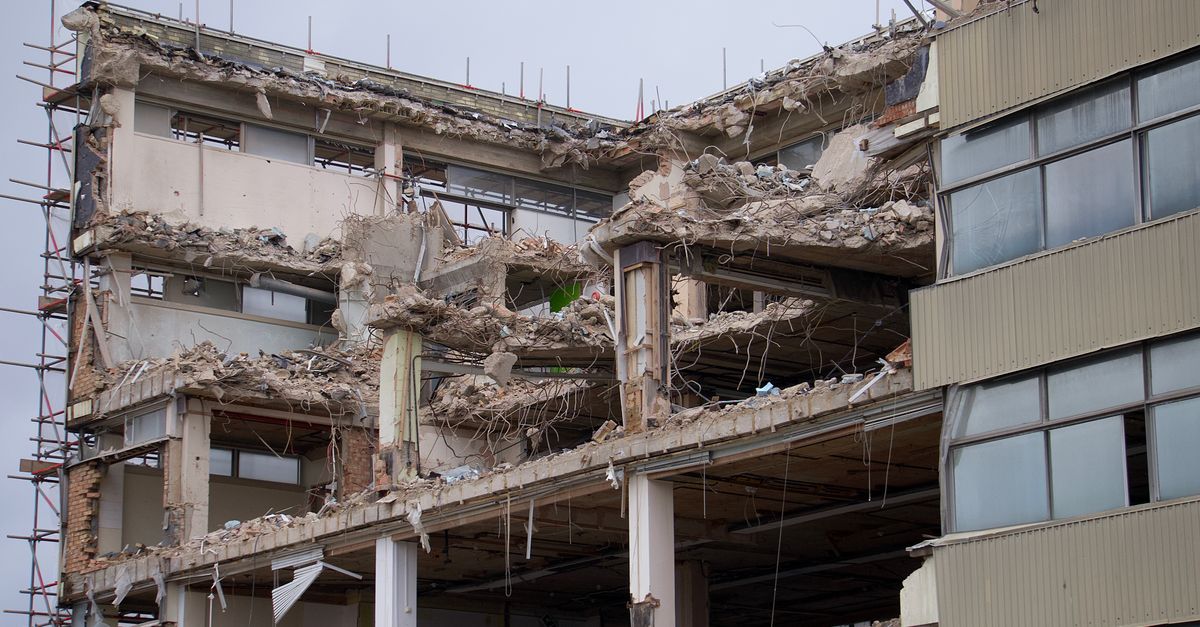
The church walls are falling. And what's growing outside them is wild, beautiful, and alive.