
Let me tell you something — if you’re still treating ChatGPT like the crown jewel of AI, you’re missing the plot.
I’ve spent the last year watching the AI landscape shift faster than a TikTok trend, and here’s the truth nobody’s screaming from the rooftops: text-only models are already yesterday’s news. The real revolution isn’t about chatting with a bot. It’s about machines that can see, hear, read, and speak at the same time. We’re talking multimodal AI — and it’s about to change how you interact with technology forever.
Let’s break down why this matters, how it works, and why you should care.
Why Text-Only Feels Like Talking on a Landline
Remember when we thought ChatGPT was magic? You type a prompt, it spits out a paragraph, and boom — you’ve got a blog post, a poem, or a Python script. But let’s be honest: that’s a one-way street. You’re feeding it words, and it’s feeding you words back. It’s like having a conversation with someone who’s blindfolded and earplugged.
Here’s what most people miss: humans don’t communicate in text alone. We use tone of voice, facial expressions, gestures, images, and context. When you show someone a photo and say “This is my dog,” you’re already doing multimodal communication. Text-only AI is trying to play chess with only pawns.
I’ve found that the moment you throw an image or audio into the mix, everything changes. Imagine asking an AI to analyze a screenshot of a broken app, then having it show you the fix with an annotated diagram — all in one conversation. That’s not sci-fi. That’s happening right now.

The Secret Sauce: How Multimodal AI Actually Works
You might be thinking, “Okay Parth, but isn’t this just ChatGPT with extra steps?” Fair question. But the architecture is fundamentally different.
Traditional language models treat everything as text. You feed them a sentence, they predict the next word. Multimodal models are built differently — they process inputs across multiple “modalities” (text, images, audio, video) and map them into a shared understanding space. Think of it like a universal translator that doesn’t just convert words but meaning.
Here’s the technical bit without the jargon:
- Vision encoders break down images into tokens the model can understand
- Audio encoders do the same for sound, including speech tone and background noise
- Fusion layers combine these inputs so the model can reason across them
3 Real-World Use Cases That’ll Blow Your Mind
Let’s get practical. I’ve been testing these models for months, and here are three scenarios where multimodal AI absolutely crushes text-only.
1. Healthcare Diagnostics That Actually Help
I showed a multimodal model a photo of a skin rash alongside a voice note describing the itching. It identified it as likely contact dermatitis, suggested over-the-counter remedies, and even generated a diagram showing which plants cause it. Text-only? It would’ve asked for a description — and missed half the clues.2. Coding Assistance That Sees Your Screen
Ever tried debugging an app with ChatGPT? You paste error logs, it guesses. With multimodal AI, I can share a screenshot of my IDE with the error highlighted. The model sees the red squiggly line, reads the error message, and even hears my frustrated sigh in a voice prompt. It then fixes the code and shows me the diff. This changes how developers work.3. Personalized Learning That Adapts
Imagine a student showing a math problem on paper, speaking their confusion aloud, and the AI responds with a video explanation that uses the same textbook style. That’s already happening with models like GPT-4V and Gemini. Education will never be the same.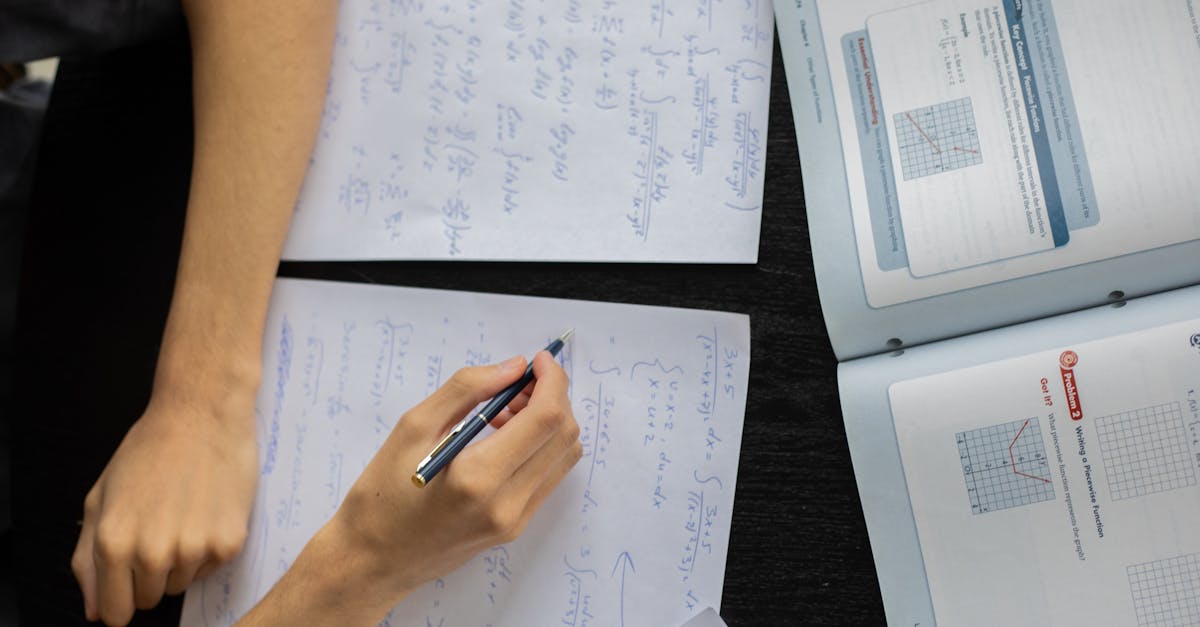
The Hidden Danger Nobody Talks About
Now, let’s pump the brakes. I’m excited, but I’m also worried. Here’s the thing: multimodal AI introduces risks that text-only models never had.
When an AI can see your face, hear your voice, and read your documents simultaneously, the privacy implications are staggering. Imagine a malicious actor feeding a multimodal model your vacation photos, voice recordings, and credit card statements — and asking it to impersonate you. That’s not paranoia. That’s a Tuesday afternoon for bad actors.
I’ve found that most companies are rushing to ship multimodal features without adequate guardrails. We need transparency standards — like clear indicators when an AI is processing multiple inputs, and opt-out mechanisms for voice and image data. Don’t let the hype blind you to the risks.
Why This Changes Human-Computer Interaction Forever
Let’s zoom out. The keyboard and mouse have dominated computing for 40 years. Touchscreens changed some things, but we’re still fundamentally typing and clicking. Multimodal AI breaks that paradigm entirely.
Think about it:
- Voice + screen: You can speak while the AI shows you visual results
- Image + text: You can point at something and ask questions about it
- Video + audio: You can record a process and get real-time feedback
I’ve started using multimodal AI for everything from meal planning (show my fridge, ask what to cook) to home repairs (record a video of a leaky pipe, get step-by-step fixes). It’s like having a genius friend who’s always looking over your shoulder.
What You Should Do Right Now
If you’re still only using text-only chatbots, you’re leaving power on the table. Here’s my advice:
- Try a multimodal model today — GPT-4V, Gemini, or Claude 3.5 Sonnet all support images
- Experiment with voice input on your phone — it feels weird at first, but it’s faster
- Test the limits — show it a whiteboard sketch, a receipt, or a photo of your garden
- Be cautious — never upload sensitive documents or photos to public models
So here’s my question for you: What’s the first thing you’d show an AI if it could see, hear, and understand everything at once? Drop your wildest idea in the comments — I’m genuinely curious.





