Blue light glasses are a placebo for the sleep-anxious, a stylish band-aid slapped on a gaping, self-inflicted wound. We’ve been sold a simple villain—the blue light from our screens—and an even simpler hero: amber-tinted lenses. But what if I told you that obsessing over blue light is letting a dozen other sleep-wrecking tech habits off the hook completely? The real culprits are far more insidious, woven into the very fabric of how we interact with technology, long before we even think about putting on those glasses.
Let’s be honest, the science on blue light is nuanced. Yes, it can suppress melatonin, the sleep hormone. But the impact is often overstated compared to the psychological and behavioral tsunami our devices create. Focusing solely on light spectrum is like worrying about the chlorine in a pool while you’re drowning in the deep end.
The Midnight Scroll: Your Brain’s Worst Bedtime Story
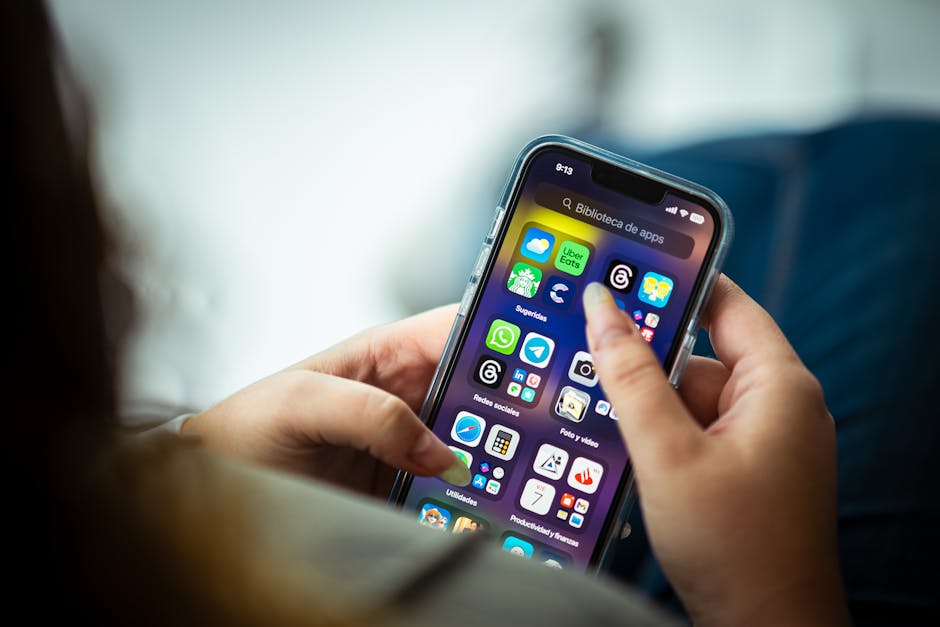
Here’s what most people miss: it’s not just the light, it’s the content. You put on your blue light glasses and then dive into a stressful work email, a heated political thread, or the curated highlight reel of an ex’s vacation. Your brain doesn’t care what color the light is filtered to—it’s now flooded with cortisol and adrenaline. You’ve just triggered your fight-or-flight response right from the comfort of your duvet.
I’ve found that the cognitive arousal from engaging content is a far greater sleep thief than any wavelength. Your mind is now racing, problem-solving, comparing, or worrying. Trying to sleep after that is like slamming the brakes after driving 100 mph; it doesn’t work. The device has become a conduit for stress, and no pair of glasses can filter that out.
The Silent Saboteur: 24/7 Connectivity & Sleep Anxiety
This is the habit we rarely talk about: the low-grade, persistent anxiety of being available. Notifications are on silent, but you know they’re piling up. Your phone is face-down, but you can feel it. This creates a state of ambient vigilance, where a part of your brain is perpetually on standby, waiting for the next ping. It’s the digital equivalent of sleeping with one eye open.
Worse yet is the rise of sleep tracking obsession. We strap on devices that monitor our every toss and turn, then wake up to a “sleep score” that dictates our mood. Did you get a poor score? Now you’re anxious about sleep itself, which—surprise—makes it even harder to achieve. We’ve outsourced our sense of rest to an algorithm, creating a feedback loop of sleep performance anxiety. The tech meant to help is now the source of the problem.

Your Warm Bed, Their Cold Server: The Heat & Hacking Myth
We know screens emit light, but we forget they also emit decision fatigue. Every single interaction with a device before bed—choosing a show, skipping a song, replying to a message—is a micro-decision. Your prefrontal cortex, the part of your brain responsible for willpower and choices, is exhausted. By the time you try to sleep, it’s utterly depleted, making it harder to quiet the mental chatter.
And then there’s the environment. A charging phone or laptop adds heat to your sleep space. A router blinking in the corner. The subconscious awareness of Wi-Fi waves (whether you believe they’re harmful or not) can create a subtle psychological unease. Your bedroom should be a cave for rest, not a subsidiary server room.
Rewiring Your Night: A Tech Detox That Actually Works
So, if blue light glasses are only a fraction of the solution, what does a real digital sleep hygiene routine look like? It’s less about filtering light and more about building barriers.
- The 60-Minute Content Curfew: One hour before bed, stop all engaging content. No social media, no email, no news. This is non-negotiable. This buffer allows cognitive arousal to subside.
- Create a Physical Charging Station Outside the Bedroom: Not on the nightstand. Not even in the room. This breaks the ambient vigilance and the temptation for a midnight scroll. An alarm clock is $10. Your sleep is priceless.
- Embrace Dumb Tech for Smart Sleep: Use an e-reader with front-lit, non-LED lighting (like e-ink) if you must read. Or, radical idea—a physical book. For sound, use a simple white noise machine, not your phone with its endless notification potential.
- Schedule Your Worries: If your mind races with to-dos, keep a notepad by your bed. Jot it down and tell your brain, “It’s handled for the night.” This transfers the memory burden from your mind to paper.
- Break Up With Your Sleep Tracker (Occasionally): Have “free sleep” nights where you don’t wear the tracker. Just sleep. Let your body’s natural feeling of rest be your guide, not a number.
The Unfiltered Truth About Rest
We’re looking for a tech solution to a problem caused by tech. The ultimate goal isn’t to optimize our device use right up to the moment of unconsciousness, but to rediscover the quiet, boring, and profoundly human space that exists without them. The real fix isn’t a lens you buy, but a boundary you set.
The most surprising tech habit impacting your sleep is the belief that you need to be connected to it at all. What if, for a few hours each night, you allowed yourself to be unreachable, unproductive, and utterly offline? The quality of your waking hours depends on it.
Follow us YouTube. Follow for more great content!





