
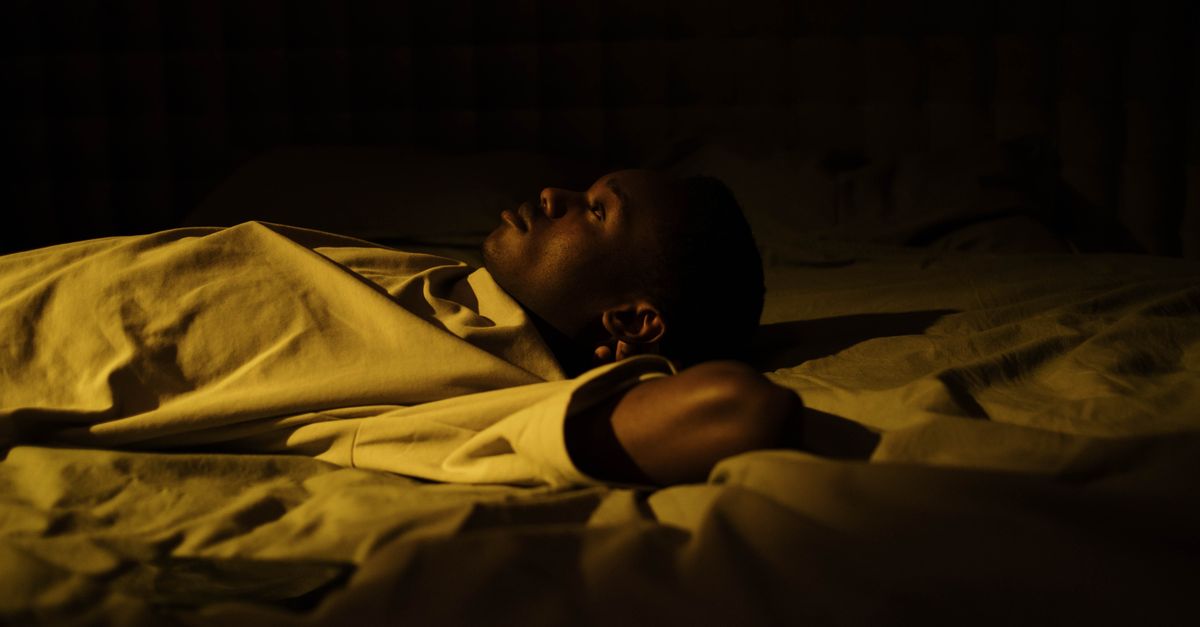
It was 2:37 AM, and I was staring at the ceiling—again. My phone was safely charging in the kitchen, far from my bed. I was wearing my amber-tinted blue light glasses, which I’d dutifully put on at 8 PM. By all the standard “sleep hygiene” advice, I’d done everything right. So why was my brain humming like a server room, wide awake and replaying the day’s conversations on a loop?
That’s when I realized we’ve been sold a simplistic story. We’ve been told the villain is blue light, and the hero is a pair of glasses. But the real problem isn’t just the light from our screens—it’s the cognitive and emotional traffic they generate. The light tells your brain it’s daytime; the content tells your brain it’s time for a crisis meeting, a comparison spiral, or an information binge.
Let’s be honest, blaming blue light is easy. It’s a single, purchasable fix. But the deeper, more insidious sleep disruptors are the tech habits we perform without a second thought. Here are three unexpected culprits that might be sabotaging your sleep more than any wavelength of light.

The Midnight Scroll: It’s Not the Light, It’s the Emotional Whiplash
You finally put the phone down, but your mind doesn’t. You’ve just subjected it to a rapid-fire sequence of emotional stimuli: a heartwarming reunion video, a furious political thread, a friend’s vacation photos that spark envy, a breaking news alert about a crisis. This isn’t passive viewing; it’s cognitive and emotional whiplash.
Your nervous system isn’t designed to process a global tragedy, a celebrity gossip update, and a work email in the same 60 seconds before bed. This habit activates your sympathetic nervous system—the “fight or flight” response—releasing cortisol and adrenaline. Your body might be under a duvet, but your brain thinks it needs to run from a tiger or solve a social conflict.
Here’s what most people miss: Even “positive” scrolling is stimulating. Laughing at memes is arousing. Planning a future DIY project from a Pinterest board is cognitively engaging. You’re essentially throwing a mental rave right before asking your brain to shut down for the night. The solution isn’t just a blue light filter; it’s a content curfew. I’ve found that the last 60 minutes before bed must be a no-scroll zone. If I must use my device, it’s for an eBook or a pre-downloaded podcast—something linear, predictable, and low-stakes.
The Constant Calendar Ping: Your Brain Never Gets the “All Clear”
This is the silent sleep killer for the ambitious. You’ve left the office, but your brain hasn’t, because you’ve never given it the signal that work is done. How? By keeping your calendar and work email synced and visible on your personal phone’s home screen.
Every glance at your phone to check the time shows you tomorrow’s 9 AM performance review or the reminder for a project deadline. This creates low-grade, chronic anticipatory stress. Your subconscious is constantly rehearsing, preparing, and problem-solving for future events. There’s no off-ramp from the workday highway.
Think about it. Our ancestors had clear signals for day’s end: the sun went down, the fire died. We have a blinking notification badge that says “meeting in 12 hours.” This habit prevents the psychological closure needed for true rest.
My fix was brutal but effective: I removed all work apps from my personal phone’s first screen. Better yet, I turned off calendar notifications entirely after 6 PM. The world did not end. Instead, my brain finally received the “all clear” signal it desperately needed. The anxiety dreams about missing meetings? They practically vanished.

The Podcast Paralysis: Using Sound to Silence Your Thoughts
I used to be proud of this one. “I don’t scroll in bed,” I’d say. “I just listen to a podcast or an audiobook until I fall asleep.” Sounds harmless, right? It’s just sound. No blue light. No scrolling.
But this habit creates a phenomenon I call passive attention dependency. You’re using an external narrative to drown out your internal monologue. The moment the episode ends—or worse, in the micro-wakings throughout the night—your brain panics. The external input is gone, and it doesn’t know how to be in silence. It jolts you awake to find more input, or it leaves you in a strange, shallow sleep where you’re half-listening to a true crime story all night.
Sleep requires the ability to surrender to the quiet. By constantly filling the auditory space, you’re training your brain to fear silence. You’re also keeping your language-processing centers mildly active, which can interfere with the brain’s natural process of sorting and filing memories (a key function of deep sleep).
The harder but more rewarding habit? Learning to lie in the dark, in the quiet, with your own thoughts. It’s uncomfortable at first—that’s why we avoid it. But it’s a muscle. Start with five minutes of quiet before you hit play. You might find that’s all you needed to fall asleep.
Reclaiming the Night: Small Shifts, Not Grand Gestures
You don’t need to throw your phone out the window. The goal is intentional disconnection, not absolute deprivation. It’s about creating buffers between the chaotic, connected world and your sacred sleep space.
Start with one of these micro-habits tonight:
- Charge your phone outside the bedroom. This is non-negotiable. It breaks the scroll, the clock-checking, and the dependency in one move.
- Create a “brain dump” ritual. 15 minutes before your intended wind-down, open a notes app or a journal and empty your head. To-do lists, worries, ideas—get them out of your cyclical thinking and onto “paper.” This provides the closure your calendar pings steal.
- Embrace boring, analog evenings. Read a physical book. Do a puzzle. Sketch. Let your brain experience the rhythm of a slow, single-focus activity. It’s the antidote to the whiplash.





