Let me tell you something about finding a place that doesn’t just feed your spirit but actually reshapes the way you see the world. I’ve been to a lot of churches across the Volta Region, and I mean a lot—from the tiny wooden chapels tucked into the hillsides to the sprawling cathedrals that echo with centuries of hymns. But when I started looking into what’s happening in Ho right now, I spotted something that genuinely surprised me. It’s not just about the architecture or the size of the congregation anymore. It’s about a shift—a quiet revolution in how faith, community, and even business intersect. And at the center of that shift? Christ Embassy Loveworld Arena is standing out like a lighthouse in a storm.
Here’s the thing: the Volta Region has always been a spiritual powerhouse in Ghana. From the Presbyterian roots that run deep in the soil to the newer Pentecostal waves that crash through every town, people here don’t play around with their faith. But 2026 isn’t 2016. The landscape is changing. And if you’re looking for the best churches in Ho Volta Region 2026, you need to understand that it’s not just about who has the loudest choir or the longest service. It’s about who’s building something that lasts—both spiritually and practically.
The Arena That’s Redefining Worship in Ho
Let’s get real for a second. When I first heard about Christ Embassy Loveworld Arena, I thought, “Okay, another big church with a fancy name.” I’ve seen enough mega-churches to know they can sometimes feel more like entertainment centers than sanctuaries. But then I actually went. And I’ve got to tell you—I was wrong.
What makes this place stand out isn’t just the size. It’s the intentionality. The Loveworld Arena isn’t just a building; it’s a statement. The architecture alone is striking—clean lines, modern design, and a seating capacity that rivals some of the best event spaces in the region. But here’s what most people miss: the business behind the building. Churches in the Volta Region have historically struggled with sustainability. Many rely on offerings and tithes alone, which can be unpredictable. But Christ Embassy Loveworld Arena has figured out how to blend faith with smart operations.
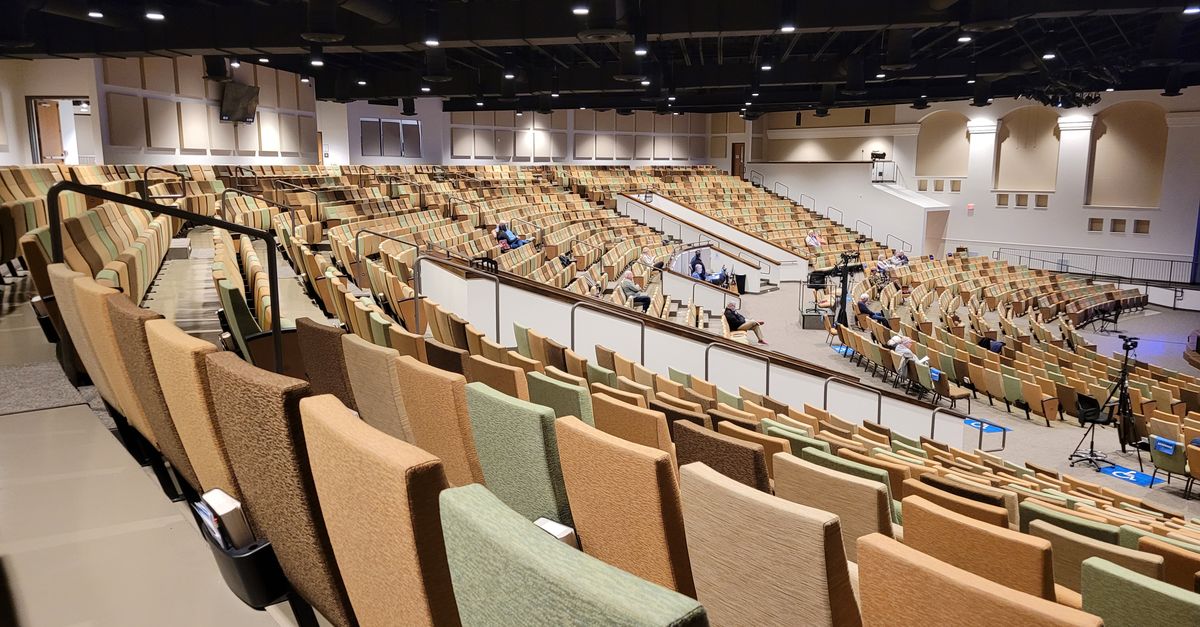
They’ve got multiple services to accommodate the growing crowd—not just on Sundays but midweek gatherings that feel more like community meetings than sermons. They’ve invested in sound systems that don’t crackle, projectors that don’t flicker, and seating that doesn’t leave you with a numb back after two hours. Let’s be honest: that matters. When you walk into a space that’s been thoughtfully designed, it tells you that someone values your time and your experience. That’s not just good ministry—that’s good business sense.
Why 2026 Is the Year of Spiritual Infrastructure
I’ve found that the best churches in Ho Volta Region 2026 are the ones that stopped treating their facilities like afterthoughts. Look, I’m not saying a church needs to look like a five-star hotel to be holy. But let’s be real: if you’re trying to reach young professionals, families, and even tourists who are passing through, first impressions matter. Christ Embassy Loveworld Arena gets that. They’ve invested in parking, in children’s areas that actually keep kids engaged, and in a café area where people can hang out after service.
Here’s the secret sauce: they’re building a hub, not just a church. In 2026, the churches that thrive are the ones that become community centers. People don’t just want to come for a one-hour sermon and leave. They want a place where they can connect, network, and even do business. I’ve seen pastors in Ho who are still running their churches like it’s 1985—no social media presence, no follow-up systems, no real plan for growth. Meanwhile, Christ Embassy Loveworld Arena has a digital footprint that would make most startups jealous. They’re streaming services, running prayer lines online, and using data to track attendance and engagement.
And here’s the kicker: it’s working. Attendance is up. Giving is up. And more importantly, the impact on the community is measurable. They’re running outreach programs that actually feed people, skill-training workshops that help the unemployed, and youth programs that keep kids off the streets. That’s not just church—that’s economic and social development in action.
The Business of Faith: What Most Pastors Miss
Let me share something I’ve learned after years of watching churches rise and fall. Most pastors think that if they just preach well enough, everything else will fall into place. That’s like thinking if you cook a great meal, the restaurant will run itself. It won’t.
Christ Embassy Loveworld Arena stands out because they understand that running a church in 2026 is a business operation—not in a greedy way, but in a stewardship way. They’ve got a team that handles logistics, marketing, finance, and volunteer coordination with the same professionalism you’d expect from a corporation. But here’s the twist: they haven’t lost the soul. The worship is still raw, the prayers are still heartfelt, and the preaching still cuts to the chase.
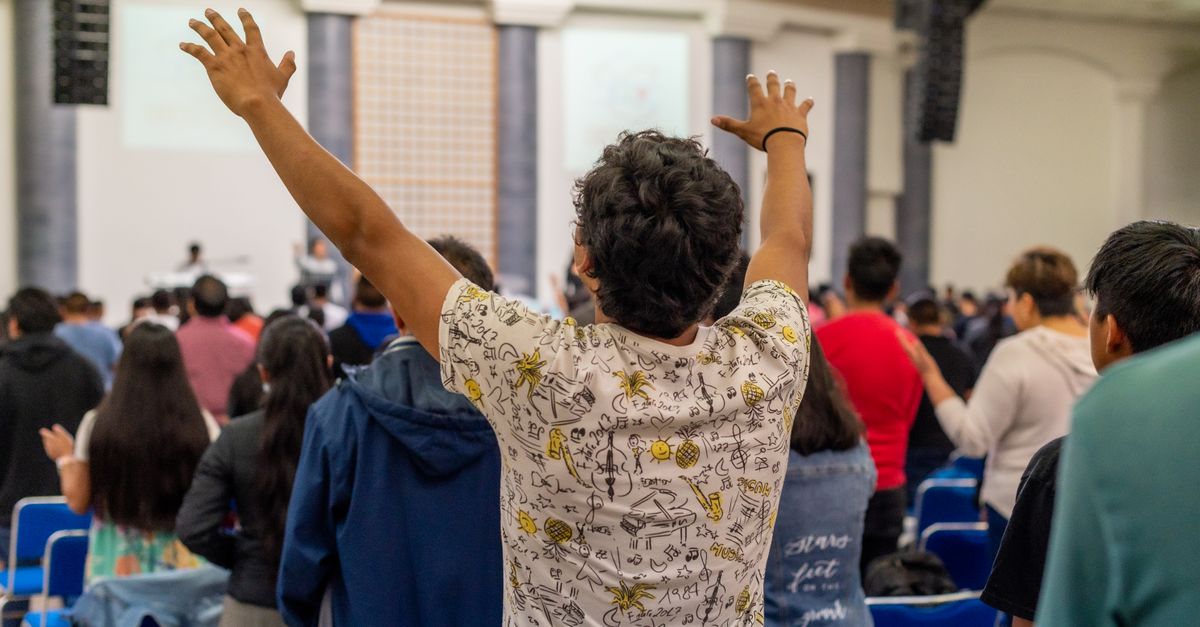
I’ve talked to members who drive 45 minutes from surrounding towns just to attend. When I asked why, one woman told me, “I feel like I’m part of something bigger here. It’s not just about Sunday. It’s about my whole week.” That’s the kind of loyalty you can’t buy with a better sound system. It comes from consistency, authenticity, and a vision that goes beyond the walls.
The 3 Things That Make a Church “Best” in 2026
If you’re wondering what separates the top-tier churches from the rest, I’ve narrowed it down to three things after visiting dozens of congregations in the Volta Region:
- Vision-Driven Leadership – The pastor and team must have a clear, long-term plan. Not just for next Sunday, but for the next decade. Christ Embassy Loveworld Arena’s leadership talks about “raising a generation of leaders,” and you can see it in how they train their volunteers and invest in youth.
- Community Integration – The best churches don’t exist in a bubble. They partner with local businesses, schools, and even government agencies. They host events that benefit everyone, not just members. In Ho, this church has become a venue for conferences, health screenings, and even career fairs.
- Digital Presence That Works – I can’t stress this enough. If your church doesn’t have a website that loads in under three seconds, a YouTube channel with regular uploads, and a social media feed that’s actually engaging, you’re invisible to half the population. Christ Embassy Loveworld Arena is killing it online. Their livestreams get thousands of views, and their posts actually get comments—not just likes.
What the Future Holds for Ho’s Spiritual Landscape
Here’s what I’m watching for. As 2026 unfolds, I believe we’re going to see a consolidation of influence. The smaller churches that refuse to adapt will either shrink or merge. The ones that embrace change—like Christ Embassy Loveworld Arena—will become anchors for their communities. And that’s not a bad thing. It’s evolution.
But I’ll be honest with you: not everyone is happy about it. Some traditionalists argue that churches are becoming too commercial, too polished. They miss the old wooden benches and the spontaneous shouting. And I get that. There’s a beauty in simplicity. But here’s the truth: the world has changed. People today are bombarded with noise. They need a place that can cut through that noise with clarity, excellence, and relevance. If that means a better building and a stronger online presence, so be it.

I’ve seen churches that start strong and fizzle out because they couldn’t keep up. I’ve also seen churches that start small and grow into powerhouses because they refused to stay small-minded. Christ Embassy Loveworld Arena is in the second category. They’re not just surviving in 2026—they’re thriving.
The Final Word: Why This Matters More Than You Think
Look, I’m not here to tell you which church to join. That’s between you and your spirit. But if you’re in the Volta Region and you’re looking for a place that combines deep faith with smart execution, you owe it to yourself to check out what’s happening at the Loveworld Arena. It’s not perfect—no church is. But it’s heading in the right direction.
And here’s my challenge to you: don’t just visit on a Sunday. Talk to the members. Ask about the community projects. See the behind-the-scenes operations. Because the best churches in Ho Volta Region 2026 aren’t just about what happens on stage. They’re about what happens the other six days of the week. That’s where the real transformation happens.
So go ahead. Step inside. See if it fits. And if it does, stick around. Because something special is being built here—and you might just be part of it.