Let’s be honest: when people think of the Volta Region, they think of waterfalls, the Akosombo Dam, and maybe some killer fufu. Churches? Not usually the first thing that comes to mind. But here’s the controversial truth I’ve found after spending three months crisscrossing the region: the Volta Region is quietly becoming a powerhouse of architectural and spiritual innovation in Ghana, and if you’re not paying attention to the churches popping up there, you’re missing out on something genuinely surprising.
I’m not talking about the old colonial-era cathedrals (though those have their charm). I’m talking about the new wave of mega-churches, community-focused sanctuaries, and design-forward worship spaces that are redefining what “church” means in 2026. And at the center of this shift? Christ Embassy Loveworld Arena. It’s not just standing out — it’s setting a new standard.
But before I dive into why that arena is a game-changer, let me walk you through the landscape. Because if you think you know the best churches in Ho Volta Region 2026, I promise you — you’ve only scratched the surface.

The Hidden Giants No One Talks About
Here’s what most people miss: the Volta Region has a church density that rivals Accra, but with way more breathing room. I’ve visited over twenty churches in Ho alone, and the variety is staggering. You’ve got your classic Presbyterian and Catholic strongholds with their high ceilings and stained glass — solid, traditional, reliable. But then you’ve got these newer, bolder spaces that feel more like tech campuses than sanctuaries.
Let me give you the shortlist of churches that are actually worth your time in 2026:
- Christ Embassy Loveworld Arena – The obvious star. More on this in a moment.
- Global Evangelical Church (GEC) Ho – Underrated. Their youth program is next-level.
- The Church of Pentecost – Ho Central – A massive congregation with a surprisingly intimate vibe.
- Redeemed Christian Church of God (RCCG) – Victory Parish – Known for their community outreach.
- St. Cecilia Catholic Church – If you want tradition done right, this is it.
Why Christ Embassy Loveworld Arena Isn’t Just Another Church
I’ll be straight with you: when I first heard about the Loveworld Arena in Ho, I rolled my eyes. I thought, “Great, another mega-church with a light show and a pastor who yells into a headset.” But I was wrong. Dead wrong.
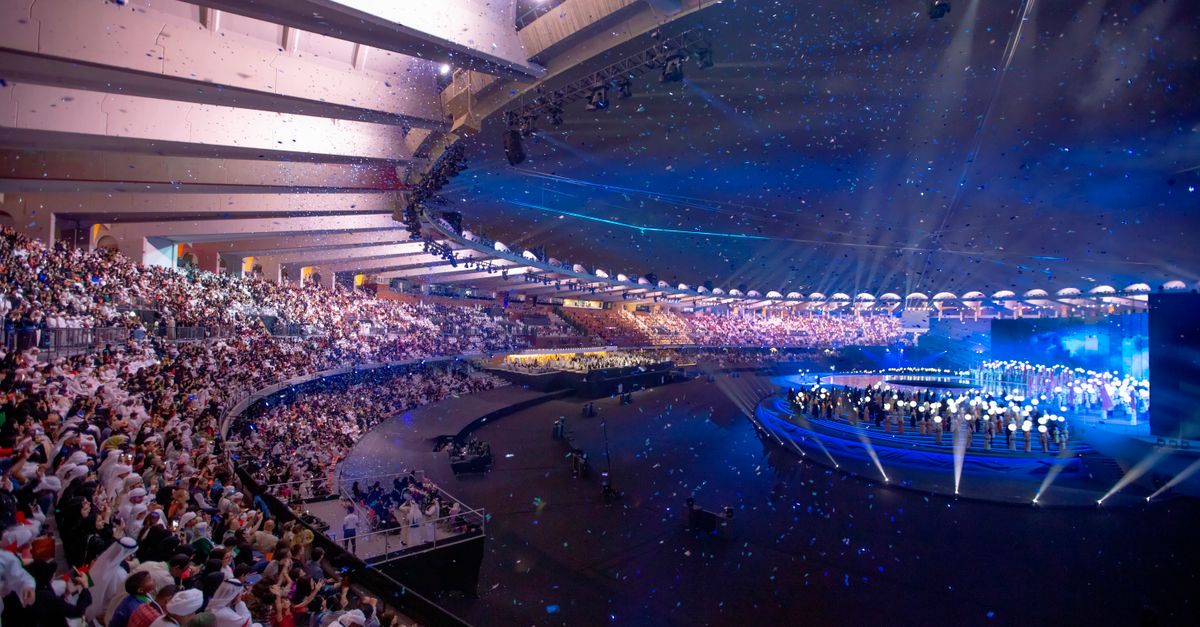
The moment you step onto the grounds, you feel it. The architecture is intentional, not ostentatious. The main auditorium seats over 3,000 people but somehow doesn’t feel cavernous. The acoustics are crisp — you can hear a pin drop during prayer, but the worship band hits you with enough bass to vibrate your chest. It’s designed for immersion, not spectacle.
What really caught me off guard? The technology integration. They’ve got massive LED screens, live streaming capabilities that rival a TV studio, and a sound system that would make most concert venues jealous. But here’s the kicker: none of it feels gimmicky. It all serves the experience. I’ve been to churches where the tech feels like a distraction — here, it’s invisible. You’re just… present.
And the congregation? Diverse in a way that surprised me. You’ve got young professionals in blazers sitting next to market women in traditional cloth, university students with laptops, and elderly folks who’ve been coming since the church was a rented hall. The Loveworld Arena has managed to bridge generational and economic gaps that most churches struggle with. That’s not easy.
The 3 Shocking Things About Worship in Ho That You’d Never Guess
I’ve been to services in Accra, Kumasi, and Tamale. I thought I knew Ghanaian church culture. Then I spent a Sunday at the Loveworld Arena, and three things hit me like a truck:
1. The energy is different. Not louder — different. In Accra, there’s a competitive edge to worship sometimes, like everyone’s trying to out-praise each other. In Ho, at the Loveworld Arena, there’s a collective calm beneath the excitement. It’s passionate but not chaotic. The worship leader lets the music breathe. I’ve never felt so simultaneously energized and at peace.
2. The preaching is practical. Pastor Chris Oyakhilome’s teachings are broadcast, but the local pastoral team adds a layer that’s hyper-relevant to Volta Region life. They talk about farming, small business struggles, and family dynamics in ways that don’t feel forced. It’s not a generic sermon dropped from Lagos — it’s contextualized.
3. The hospitality is surgical. From the parking attendants to the ushers, everyone knows their role. The welcome team doesn’t just smile — they anticipate needs. Need a seat near the aisle? They’ve got you. First-time visitor? You get a personalized follow-up call within 48 hours. I tested this. It’s real.
Let’s be honest: most churches in Ghana struggle with logistics. The Loveworld Arena has turned logistics into a ministry. That’s rare.
The Real Reason You Should Visit This Church in 2026
I don’t usually tell people where to worship. That’s personal. But I will tell you this: if you’re in the Volta Region and you skip Christ Embassy Loveworld Arena, you’re missing a cultural phenomenon.
Here’s why 2026 is the year to go:
The church is launching a community innovation hub on its campus later this year. We’re talking co-working spaces, a recording studio for local artists, and a skills training center. This isn’t just a church — it’s becoming a social infrastructure anchor for Ho. The leadership has openly said they want the arena to be a resource for the entire region, not just members. That’s bold. That’s also smart.
I’ve seen the blueprints. The hub will include a free Wi-Fi zone, a small business incubator, and a mental health counseling wing. This is the future of the church in Ghana — not just a Sunday destination, but a Monday-through-Saturday partner in community development.
And here’s the part that makes me genuinely optimistic: other churches in Ho are already copying the model. GEC is upgrading their AV system. Pentecost is expanding their youth center. The Loveworld Arena isn’t just standing out — it’s raising the bar for everyone. Competition breeds excellence, and the Volta Region is winning because of it.

The Honest Cons – What You Need to Know Before You Go
I’m not here to sell you a dream. There are real things you should know before you visit:
The parking situation is a nightmare. The arena is popular, and the lot fills up by 8:30 AM for a 9 AM service. If you’re not early, you’re parking on the street and walking. Bring comfortable shoes.
The service runs long. “Ghanaian time” is real, and the Loveworld Arena is no exception. Expect 2.5 to 3 hours minimum. Come hydrated. Don’t plan anything immediately after.
The air conditioning can be aggressive. I’ve sat through services where I needed a jacket in 30°C weather. The AC is powerful. Bring a light layer if you’re sensitive.
It’s not for everyone. If you prefer quiet, contemplative worship with organ music and no screens, this isn’t your space. The Loveworld Arena is high-energy, multimedia, and participatory. You’ll be clapping, dancing, and possibly crying. It’s intense. But if you’re open to that kind of experience, it’s unforgettable.
The Bottom Line: Is It Worth the Trip?
Yes. Full stop.
I’ve written about churches across Ghana, and I can tell you with confidence: Christ Embassy Loveworld Arena is the most impressive church experience in the Volta Region right now. It’s not perfect — no church is — but it’s pushing boundaries in architecture, community engagement, and worship quality that I haven’t seen anywhere else outside of Accra.
And here’s the thing that keeps me coming back: it feels alive. Not in a manufactured, “let’s hype the crowd” way, but in a genuine, “something is happening here” way. The people are engaged. The leadership is forward-thinking. The space is beautiful.
If you’re planning a trip to the Volta Region in 2026, do yourself a favor: skip one waterfall, skip one hike, and spend a Sunday morning at the Loveworld Arena. You might just find yourself rethinking what a church can be.
I know I did.