Let me tell you something about the last time you sat in a theater and actually felt a punch land. Not the CGI-assisted kind where a superhero gets flung through six buildings, but the kind where you know, somewhere in your gut, that two stunt performers just genuinely went at it. That sensation — the flinch, the wince, the involuntary lean-back — is practical effects doing their quiet, sweaty, dangerous work. And here's the thing I can't stop noticing: practical effects are staging one of the biggest comebacks in blockbuster filmmaking right now, and most audiences are feeling it without even knowing why.
I've found that when people walk out of a movie raving about "how real it looked," they're almost never talking about the visual effects. They're talking about the stuff that was actually there on set.
The Green Screen Hangover Nobody Wants to Admit
Let's be honest — we hit peak digital fatigue somewhere around the mid-2010s. Every blockbuster finale became a blur of gray-blue nothingness, actors staring at tennis balls on sticks, and cities collapsing in ways that felt suspiciously weightless. I remember sitting through one of those films and thinking, "Why does $300 million look like a screensaver?"
Audiences got tired of it. Studios noticed. And the smartest directors — the ones who actually understand that practical effects and CGI aren't enemies, they're dance partners — started pushing back toward the physical. Christopher Nolan has been banging this drum for years, blowing up actual buildings and crashing real planes. But it's not just the auteur crowd anymore. Even the big franchise factories are quietly rebuilding their miniature units and hiring back the old-school model makers.
Here's what most people miss: this isn't nostalgia. It's economics and craft colliding. A practical explosion captured in-camera often looks better and costs less than a fully digital one, because the lighting, smoke, and debris behave according to physics instead of a render farm.
Why Real Fire Still Beats a Thousand Pixels
There's a reason your brain can tell the difference. Practical effects interact with light in ways CGI still struggles to fake — the bounce, the shadow, the way smoke curls around a real object. When you watch a practical explosion, you're seeing genuine photons bouncing off genuine chaos.
I've found that directors who lean on practical work describe the same thing over and over: the actors behave differently. Put a performer in front of a real wall of flame and their fear is real. Their timing changes. The scene gets a pulse.
A few things practical effects bring that no software can fully replicate:
- Physical weight and momentum — real debris falls like real debris
- Unpredictability — the on-set "happy accidents" that become iconic shots
- Actor authenticity — performers react to something that's actually there
- Lighting integration — real light sources create real reflections and shadows
- Tangible texture — the grit, grain, and imperfection that reads as truth

The Miniature Renaissance Is Real
Here's a detail that genuinely surprised me: miniature and model units — the kind that built the original Star Wars and Blade Runner — are being staffed up again. I'm talking about artisans who spent the 2000s watching work dry up now getting calls for major productions.
The comeback of practical effects has revived an entire craft ecosystem — model makers, pyrotechnicians, prosthetics artists, animatronics engineers. These aren't museum pieces. They're being paired with digital tools in hybrid workflows that give directors the best of both worlds: shoot the real thing, then extend and enhance it digitally.
Think about the practical effects in something like Mad Max: Fury Road — those cars were real, the stunts were largely real, and the digital work supported the physical chaos rather than replacing it. That's the model everyone's chasing now.
The Secret Sauce Is Hybrid, Not Purist
I want to push back on one romantic idea: that the best approach is going fully practical and ditching computers. That's not what's happening, and honestly, it's not what works.
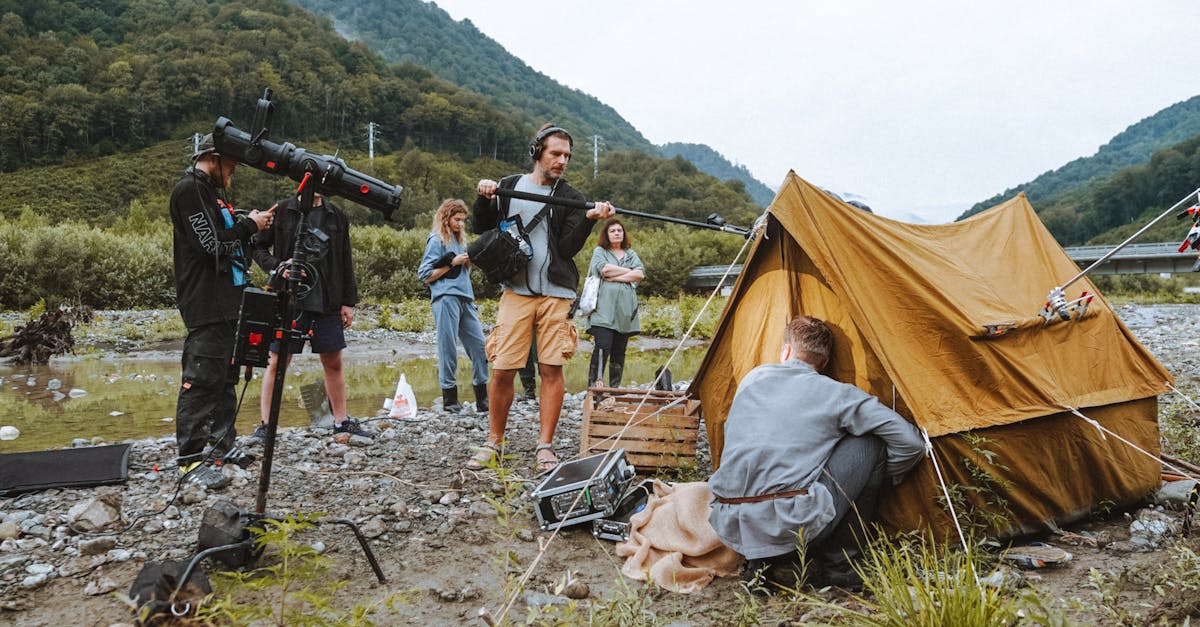
The real comeback is about using practical effects as the foundation and CGI as the polish. Shoot a real explosion, then digitally remove the safety rigging. Build a physical creature suit, then enhance the eyes and mouth in post. The audience never sees the seam — they just feel that something is solid.
Let's be honest, the purest digital films of the 2010s weren't bad because of the technology. They were bad because they skipped the physical reference entirely. When you have nothing real to ground the image, the eye drifts and the brain checks out.

What This Means for the Movies You'll Actually Pay For
So why should you care beyond a nerdy appreciation for craft? Because this shift is already changing what gets greenlit, how budgets get spent, and — most importantly — how movies feel in the theater.
I've found that when a blockbuster commits to practical effects, it tends to commit to clearer staging, more legible action, and better performances. The chaos has geography. You can follow it. That's not a coincidence — it's a consequence of building scenes around real objects instead of imagining them in post.
Here's my honest take: the practical effects comeback isn't a trend that'll burn out. It's the industry correcting a decade-long overcorrection. Audiences have voted with their attention spans, and they've made it clear — we want to believe what we're seeing.
Next time you're watching a blockbuster and something makes you flinch, lean in, or whisper "how did they do that?" — check the credits. Odds are a whole crew of practical artists just earned their keep.
So here's my challenge to you: next big release, pay attention to the moments that feel real. Then tell me — did you clock the practical effects, or did they sneak right past you? That's the whole art of it, isn't it?