
I remember the exact moment I realized the robots weren't coming for my job—they were already sitting next to me. It was a Tuesday, 2:47 PM, and I was staring at a spreadsheet that had taken me three hours to build. My colleague, a junior analyst named Tunde, had just finished the same task in seven minutes using a tool called ChatGPT. He wasn't a genius. He just knew how to talk to the machine. I felt a cold knot in my stomach. Then I watched him get promoted two weeks later. That's when the truth hit me: automation isn't the enemy of work—it's the new co-worker you didn't know you needed.
Let's be honest. We've all heard the doom-and-gloom predictions: "AI will steal 300 million jobs!" "Robots are coming for your desk!" It makes for great clickbait, but the reality is far more interesting—and far less terrifying. What I've found after watching this shift happen in real time is that AI in the workplace isn't about replacement; it's about re-invention. It's not a terminator; it's a turbocharger.
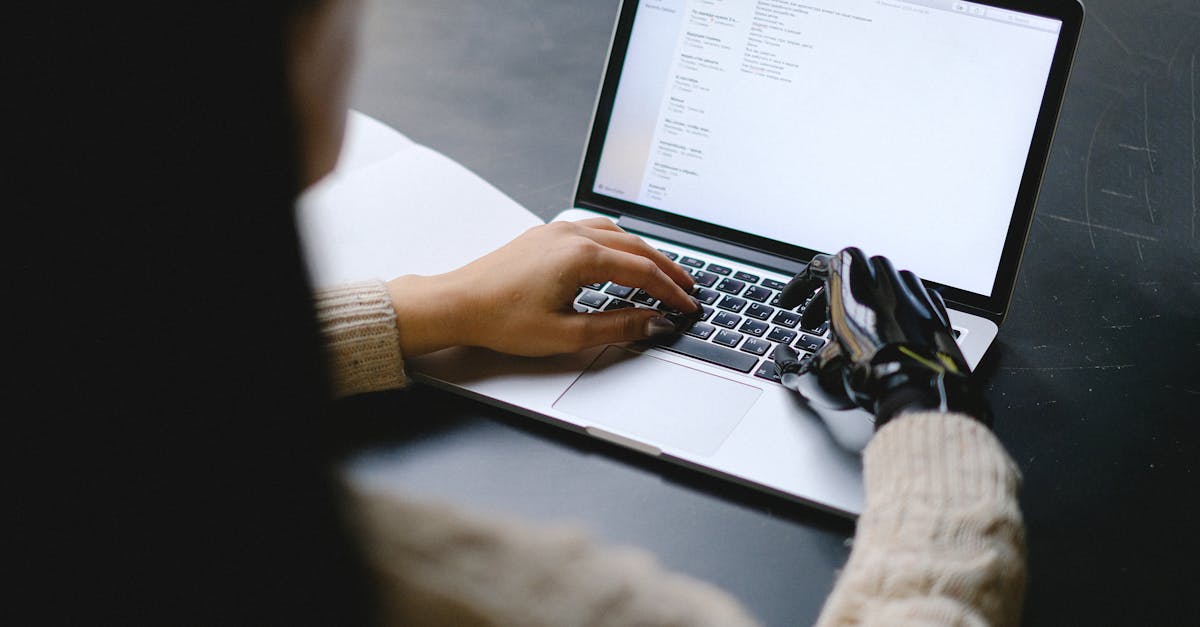
The Job That Vanished (And the One That Took Its Place)
Let me tell you about Funmi. She was a data entry clerk at a logistics company in Lagos—one of those jobs everyone said would be "automated away." She spent eight hours a day typing numbers into systems, cross-referencing invoices, and sending emails. Then her company adopted an AI workflow tool. Within three months, her role was gone. Sounds like the horror story, right? But here's what most people miss: Funmi didn't lose her job. She lost her drudgery. The company retrained her as a workflow optimization specialist. Now she designs the systems that the AI follows. She earns 40% more, has fewer headaches, and actually likes Mondays.
This is the hidden truth about AI in the workplace: it doesn't eliminate the need for human judgment. It eliminates the need for humans to act like machines. When you let an algorithm handle the boring, repetitive stuff, you free up the most valuable resource in any office—the human brain. And that's where the real magic happens.
The 3 Things AI Does Better Than You (And Why That's a Good Thing)
Here's where I get real with you. There are some things AI genuinely crushes. Trying to fight this is like trying to outrun a car. You'll just exhaust yourself. So let's look at the three areas where automation is reshaping jobs right now:
- Data Processing Sucks, and AI Loves It — I've found that most people spend about 30% of their workweek just moving data from one place to another. Invoices, reports, emails, calendar invites. AI does this in seconds. Let it. Your brain is for strategy, not sorting.
- Pattern Recognition on Steroids — AI can spot trends in millions of data points that would take a human years to notice. My friend who works in marketing now uses AI to predict customer churn before it happens. She doesn't spend hours guessing. She spends hours fixing.
- Repetitive Communication is a Time Vampire — Drafting standard emails, scheduling meetings, sending follow-ups. These are necessary but soul-crushing. AI handles them now. I've personally reclaimed about 10 hours a week just by letting an assistant tool write my routine messages.

The Jobs That Are Booming (And Nobody Talks About)
You've heard about "prompt engineers" and "AI ethicists." Those are real, but they're the tip of the iceberg. The massive opportunity in automation is happening in roles you wouldn't expect. Here are some that have exploded in the last year:
- AI Trainers — Not the technical kind. Companies need people who can teach AI to understand cultural nuances, sarcasm, and slang. If you're good with words, this is your gold rush.
- Automation Auditors — Someone has to check that the robots aren't being racist, sexist, or just plain stupid. This is a human job with a huge paycheck.
- Integration Specialists — The most underrated role of the decade. These are people who figure out how to make AI tools work with old, clunky systems. It's part detective, part engineer, part therapist.
- Creative Strategists — When AI generates 100 design options in a minute, someone needs to pick the one that matters. That's not a technical skill. That's taste. And you can't automate taste.
The Skill That Separates the Hired From the Fired
Here's what most people miss about automation: it doesn't care about your degree. It doesn't care about your years of experience doing one specific thing. What it cares about is your ability to adapt. I've watched a 22-year-old social media manager become the head of AI implementation at a bank. She didn't know Python. She knew how to ask questions, experiment, and communicate results. That's it.
The skills that are actually valuable in an AI-powered workplace:
- Critical thinking — can you tell when the AI is wrong?
- Communication — can you explain complex ideas to non-technical people?
- Emotional intelligence — can you read a room when a client is about to explode?
- Creativity — can you see connections that the algorithm misses?

The Uncomfortable Truth About Your Current Job
I'm going to say something that might sting. If your job can be completely automated within the next five years, it's probably not a great job anyway. I know that sounds harsh, but think about it. Do you really want to spend 40 years doing something a machine could do faster and cheaper? That's not a career. That's a sentence.
The companies that are thriving right now are the ones that asked themselves: "If we had infinite robot labor, what would our humans do?" The answer is always the same: humans would do the things that require heart. Strategy, relationship-building, innovation, leadership. The stuff that makes work actually worth doing.
So here's my challenge to you: don't fight the automation wave. Don't hide from it. Start today. Pick one boring task you do every week and figure out how a tool can handle it. Use that freed-up time to learn something new. Talk to someone in a role that didn't exist two years ago. Because the future of work isn't about humans versus machines. It's about humans with machines. And the only way to lose is to refuse to play.