Let me tell you something that might surprise you: the most revolutionary tool in my classroom doesn’t have a heartbeat, and it’s not a shiny new whiteboard.
It’s an algorithm.
I know, I know — when I first heard whispers about “AI in the classroom,” I pictured robotic teachers handing out pop quizzes. But after spending a year watching machine learning quietly reshape how my students learn, I’ve got to say: I’m a convert. And not the annoying, evangelizing kind. The kind who realized that personalization isn’t a buzzword — it’s the only way forward.
Here’s what most people miss: every student learns differently, but traditional lesson plans treat them like identical widgets. One-size-fits-all is the enemy of curiosity. And curiosity? That’s the whole point.
The Secret Sauce: Why Your Kid’s Brain Isn’t a Filing Cabinet
Let’s be honest — we’ve all sat through a lesson that felt like watching paint dry. Maybe you were bored. Maybe you were lost. Either way, the teacher kept going because they had to cover the curriculum.
That’s the old model. The broken one.
With machine learning for education, the computer watches how a student learns. Not just what they get right or wrong, but how long they pause on a question, which hints they click, and when they start to drift. It’s like having a teaching assistant who takes notes on every single student — and never sleeps.
I’ve found that when a platform adapts in real time — say, swapping a word problem for a visual diagram because it noticed a student learns better with images — the lightbulb moment comes faster. Personalized learning with AI isn’t futuristic. It’s happening right now, in classrooms just like yours.
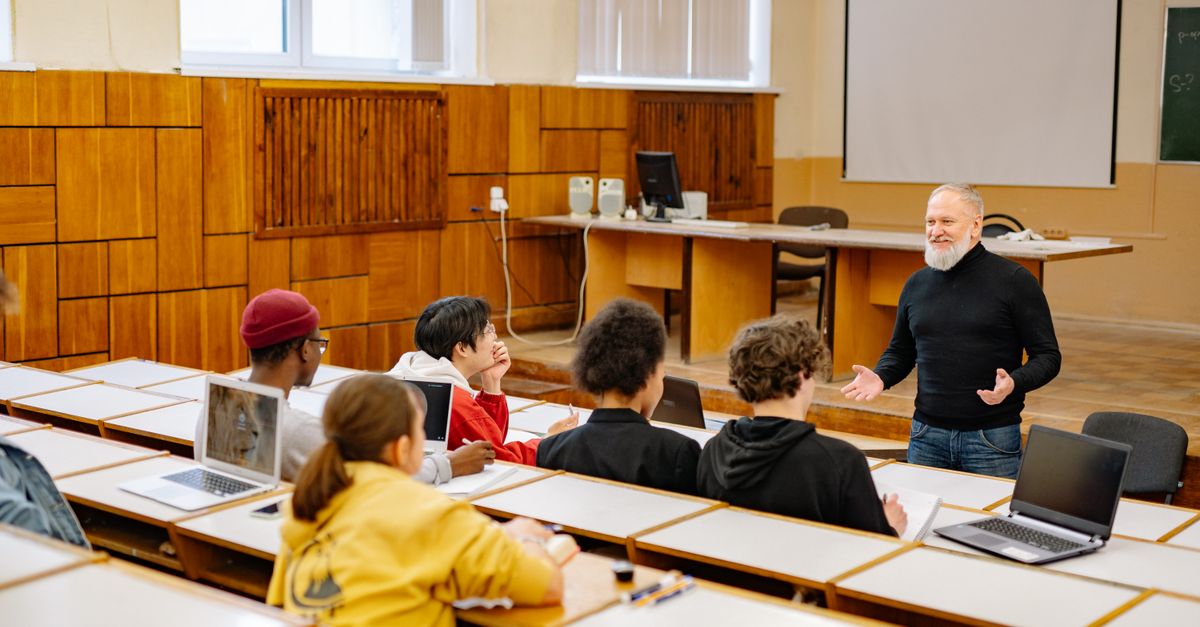
3 Ways AI Quietly Changed My Lesson Plans (Without Me Noticing)
I didn’t wake up one day and say, “Let’s hand over my lesson plans to a robot.” It happened gradually. Here’s what I saw:
- Instant differentiation — In a class of 30 kids, I used to spend hours creating three versions of the same worksheet. Now, the AI generates math problems at different difficulty levels for each student. Struggling learners get scaffolded steps. Advanced kids get extension challenges. No more bored kids finishing early or lost kids giving up.
- Real-time feedback loops — Remember waiting a week for a graded test? By then, the student has forgotten half the material. AI tools give feedback instantly. If a kid answers a question wrong, the system explains why and offers a similar problem to try again. The learning happens in the moment, not after the fact.
- Predictive insights — This one still blows my mind. The algorithm can flag a student who’s about to fall behind — before they actually fall behind. It notices patterns: skipping homework, taking longer on certain topics, even logging in at odd hours. I can intervene early, with a quiet conversation or a tweaked assignment.
But Wait — Doesn’t This Make Teaching Less Human?
This is the question I get the most, and it’s a fair one. Let’s face it: nobody wants a robot handing out hugs or telling a joke during a tough day.
Here’s the truth: AI handles the data. Teachers handle the humanity.
When I’m not buried in grading or searching for the right worksheet, I have time. Time to sit next to a kid who’s stuck. Time to notice when a student looks tired. Time to have the real conversations that change lives. The tech handles the drudgery; I handle the connection.
I’ve seen shy kids blossom because the AI gave them a private space to make mistakes without embarrassment. I’ve seen gifted kids finally feel challenged. And I’ve seen struggling learners build confidence because the pace finally matched their own.
Machine learning in education technology doesn’t sterilize the classroom. It makes it more human — because it frees teachers to actually teach.

The Hidden Danger Nobody Talks About
Okay, I’m not going to pretend everything is perfect. Because it’s not.
The biggest risk with AI-driven lesson personalization? Bubble trouble.
If the algorithm only shows a student content they’re good at, they never struggle. And struggle is where growth happens. I’ve seen platforms that are so “adaptive” they never push kids outside their comfort zone. That’s not personalization — that’s coddling.
The fix? Teachers must stay in the loop. I don’t let the AI run on autopilot. I check the dashboards. I override suggestions. I tell the system, “No, this kid needs to wrestle with fractions even though they hate them.” The best AI tools let you do that — they’re partners, not dictators.
Also, data privacy is a real concern. Schools need to vet vendors carefully. No student data should be sold, shared, or used for anything beyond learning. Ask hard questions before you sign up.
What This Means for Your Kid (and Your Sanity)
If you’re a parent reading this, here’s what I want you to know: your child’s teacher is likely already using some form of AI, and that’s a good thing.
But don’t assume the school has it figured out. Ask questions:
- What platform are they using?
- How does it adapt to my child’s needs?
- How does the teacher stay involved?
I’ve watched a quiet, anxious student finally raise her hand because the AI gave her the confidence to try. I’ve seen a bored, brilliant kid light up when the system threw him a challenge he couldn’t resist. That’s not sci-fi. That’s Tuesday.
The Bottom Line (And What You Should Do Next)
Here’s what I believe: the future of education isn’t about fancier gadgets. It’s about seeing every student clearly and meeting them where they are.
Machine learning makes that possible at scale. But it takes a human to care.
So go ahead — ask your child’s teacher about their AI tools. Offer to help them pilot something new. Or if you’re an educator, start small: pick one subject, one class, one tool. See what happens when the software starts adapting.
Because the goal isn’t to make teaching easier. It’s to make learning impossible to ignore.
And honestly? That’s a future I can’t wait to teach in.