
Your Phone Knew You'd Be Hungry at 3 PM (Before You Did)
Last Tuesday, I got a notification from my banking app warning me that my grocery spending was 23% higher than usual. I hadn't noticed. But the algorithm had.
Here's the thing that genuinely stopped me in my tracks: the average person interacts with AI-powered systems more than 150 times a day. Not 15. Not 50. Over 150. Your morning scroll, your commute, your email spam filter, the "you might also like" section on Netflix — that's all AI, quietly working in the background while you go about your life thinking you're just... living it.
And honestly? Most of us have no idea how deep this rabbit hole goes. So let me walk you through seven ways AI in everyday life is already reshaping your routine — some helpful, some a little creepy, all worth knowing about.

1. Your Inbox Is Being Guarded by a Robot You've Never Met
Gmail's spam filter blocks roughly 99.9% of spam before it ever reaches you. Think about that for a second. In 2005, your inbox was a warzone of Nigerian princes and suspicious pill ads. Now? You barely see spam at all.
I remember complaining to a friend that my email felt "too clean" lately, and he laughed at me. "That's because AI is doing the dirty work, Taslima." He wasn't wrong.
Here's what most people miss: Gmail's AI doesn't just filter spam — it sorts your promotions, flags important messages, and even writes your replies with Smart Compose. That "Sounds good, thanks!" you sent last week? You might've typed three words and let the machine finish the rest.
2. Netflix Knows You Better Than Your Best Friend
Let's be honest — we've all had that moment where Netflix recommends something and you think, "How did it know?"
That's not magic. Netflix's recommendation engine saves the company an estimated $1 billion per year in retained subscribers. The AI analyzes what you watch, when you pause, what you rewind, and even the thumbnails you hover over. It's building a psychological profile of your taste — and it's terrifyingly good at it.
I once spent 20 minutes scrolling past horror movies, and within a day, my entire homepage was a haunted house. The algorithm doesn't forget.

3. The Hidden AI in Your Morning Commute
If you use Google Maps, Waze, or any navigation app, you're benefiting from real-time AI traffic prediction every single day. These systems pull data from millions of phones moving simultaneously, then predict where jams will form before they happen.
But here's a weirder one: your car itself might be running AI. Modern vehicles use it for lane-keeping assistance, automatic braking, and adaptive cruise control. Some newer models even monitor your eye movements to detect drowsiness.
So next time you're stuck in traffic, remember — an algorithm somewhere is trying to save you 4 minutes. Whether you appreciate that is entirely up to you.
4. AI Is Quietly Running Your Bank Account
Remember that grocery spending notification I mentioned? That's just the tip of the iceberg.
Banks use AI for:
- Fraud detection — flagging suspicious transactions in milliseconds
- Credit scoring — determining your loan eligibility
- Customer service chatbots — handling 80% of routine inquiries
- Investment algorithms — managing billions in trades
The convenience is real. The transparency? Less so.
5. Your Doctor's New Assistant Doesn't Have a Medical Degree
Healthcare is where AI gets genuinely exciting — and slightly unnerving.
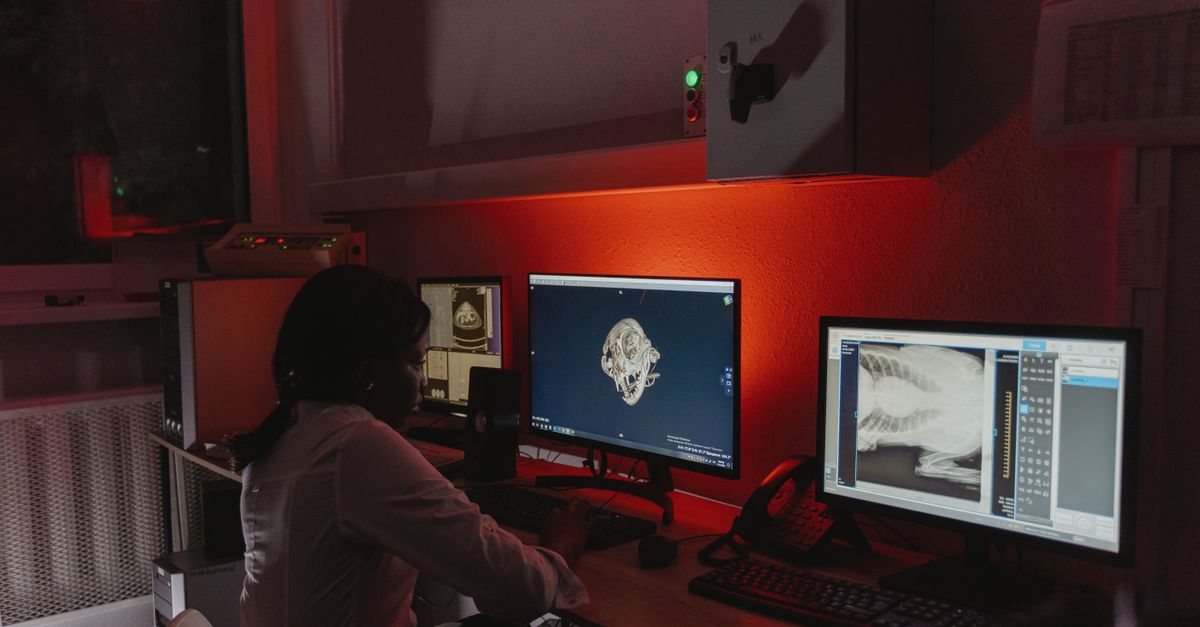
AI systems can now detect certain cancers in medical imaging with accuracy rivaling human radiologists, sometimes catching things the human eye misses. Wearables like Apple Watch use AI to detect irregular heart rhythms and even alert users to potential AFib episodes.
My aunt's smartwatch literally flagged an irregular heartbeat last year. Her doctor confirmed it. That little device on her wrist may have caught something serious months before symptoms appeared.
That's the good news. The uncomfortable part? These same systems can carry biases if they're trained on unrepresentative data. So AI in medicine is powerful — but it's not infallible, and we shouldn't pretend otherwise.
6. The AI Behind Your Late-Night Online Shopping
You browse a pair of sneakers. You don't buy them. For the next three days, those sneakers follow you across every website you visit.
That's AI-powered retargeting, and it's one of the most effective (and mildly infuriating) uses of machine learning in everyday life. E-commerce platforms use AI to predict what you'll buy, when you'll buy it, and exactly how much of a discount will push you over the edge.
Amazon reportedly gets 35% of its revenue from AI-driven recommendations. Thirty-five percent.
Every time you click "buy now," a small army of algorithms is celebrating.
7. Your Smart Home Is Listening (Kind Of)
Alexa, Siri, and Google Assistant are obvious AI players — but the smart home rabbit hole goes deeper. Smart thermostats learn your schedule and adjust temperatures automatically. Robot vacuums map your floor plan. Some refrigerators even suggest recipes based on what's inside.
Here's my honest take: I love my smart speaker. But I also unplug it sometimes. Because "always listening" is a feature and a concern at the same time, depending on your mood.
So... Are We Okay With All of This?
Look, I'm not here to scare you into throwing your phone into the ocean. AI in everyday life has made things faster, safer, and more convenient in ways we genuinely couldn't have imagined 15 years ago.
But here's the thought I want to leave you with: most of us never consciously opted into this. We just... clicked "I agree" and moved on.
The next time your phone suggests a restaurant, your bank flags a charge, or your watch nudges you to breathe — pause for a second. Ask yourself: Do I understand what's happening here?
Because the more we know about the AI quietly shaping our days, the better we can decide which parts we actually want to keep.
So — which of these seven surprised you the most? Drop a comment and let's talk. I read every single one.





