Picture this: it's 6:47 AM, your alarm didn't go off, but your coffee maker did—because it noticed your calendar was brutal today and decided to be a team player. That's not a sci-fi pitch. That's just Tuesday in 2025. And honestly? We're only scratching the surface of what AI breakthroughs in 2025 are actually doing to our day-to-day lives.
Let me tell you something—I've been covering tech long enough to remember when "AI" meant a chatbot that confidently told you to eat rocks. Now it's booking my dentist appointments, translating my mom's voice notes into grocery lists, and quietly rewiring how I think about my own morning routine. So let's talk about the ten shifts that are genuinely changing things, not just making headlines.
The Year AI Stopped Being a Party Trick
Here's what most people miss: the real story of AI in 2025 isn't one giant leap. It's a hundred small ones that snuck up on us. The tech stopped performing for us and started participating in our lives. Let's get into it.

1. Your Phone Finally Understands You (For Real This Time)
On-device AI assistants are the quiet revolution nobody's throwing confetti for. Instead of shipping your data to a server farm, your phone now handles context locally—knowing you always text your sister in Portuguese, that "the usual" means an oat latte, and that your Tuesday meetings need a buffer.
I've found that the difference is subtle but addictive. You stop instructing and start conversing. It's the difference between a vending machine and a colleague who actually gets you.
2. Health Checkups Without the Waiting Room
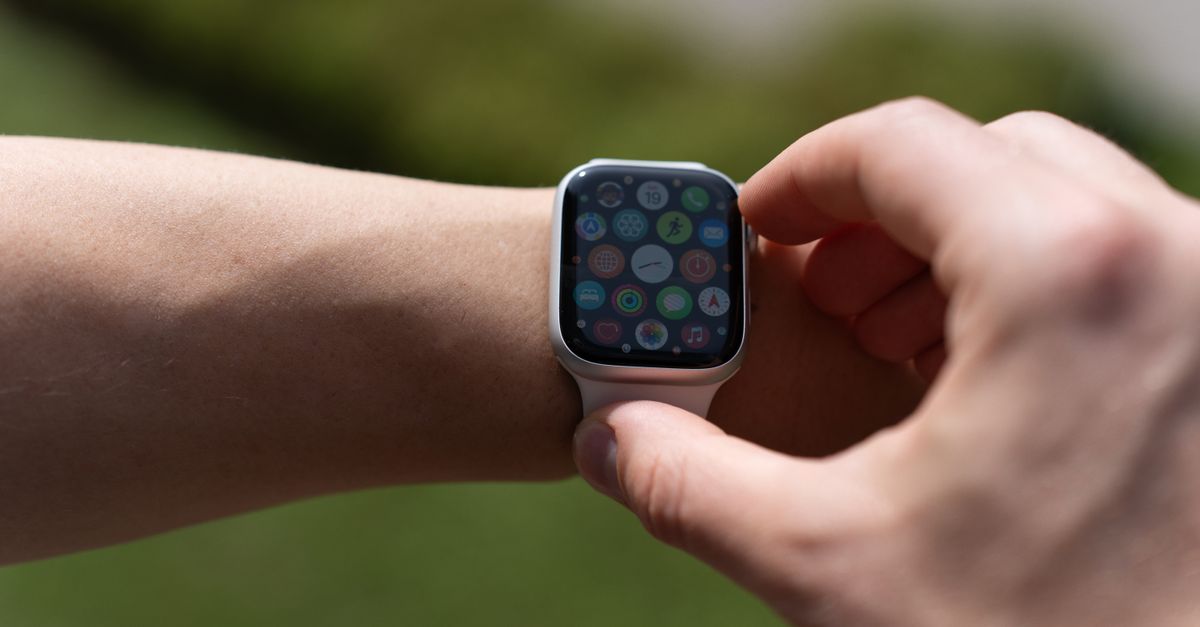
Wearables in 2025 aren't just counting steps anymore—they're flagging atrial fibrillation, predicting blood-sugar spikes, and nudging you before you hit a wall. AI-powered preventive health is moving diagnostics from the clinic to your wrist.
Let's be honest, though: half of us will still ignore the warnings and order the second slice of cake. But at least now the data's on our side when we finally listen. The FDA has been clearing more AI diagnostic tools than ever, and it shows in how early people are catching things that used to sneak up silently.
3. The Death of the Dreaded "Quick Meeting"
AI meeting assistants in 2025 don't just transcribe—they summarize decisions, assign action items, and politely remind Dave he still owes the budget slide. Some teams now run on async video plus AI briefings, cutting meeting time dramatically.
I've found that the biggest win isn't saving time. It's saving attention. There's a certain peace in knowing you'll never again lose an hour deciphering garbled notes from a call you barely remember.
4. Personalized Learning That Actually Adapts
Remember when "personalized learning" meant a quiz that got slightly harder? Now AI tutoring systems adjust in real time—reading your confusion, switching analogies, and teaching through the exact metaphor that clicks.
- Struggling with fractions? It pivots to pizza slices.
- Get it instantly? It skips ahead without wasting your afternoon.
5. Creative Tools That Collaborate Instead of Replace
Look, I was the first to roll my eyes at "AI will write your novel." But generative AI tools in 2025 have settled into a healthier role: collaborator, not replacement. They draft, you refine. They brainstorm, you decide. They handle the boring 40% so you can obsess over the meaningful 60%.
The breakthrough isn't that the machine can write. It's that we've finally figured out the division of labor.

6. Smarter Homes, Less Nagging
Your smart home used to be a collection of divas that wouldn't talk to each other. Now it's a conductor—the thermostat, lights, and security system coordinating on your schedule. AI home automation learns your patterns and stops pestering you with alerts.
Here's the thing: the best tech in 2025 is the tech you forget is there. It just works, quietly, like a good assistant who never asks for credit.
7. Customer Service That Doesn't Make You Scream
AI customer support has crossed a line I never thought I'd see: it's actually helpful. Context-aware bots now resolve the boring 70% of issues instantly, while routing the messy stuff to humans who arrive already briefed. Fewer "your call is important to us" loops, more actual solutions.
I've found that's the pattern of 2025—AI handles the tedium, humans handle the nuance. Everyone wins.
8. Navigation That Saves More Than Time
AI in navigation and logistics is now optimizing delivery routes, predicting traffic jams before they form, and cutting fuel waste. City planners are using it to redesign intersections that used to be nightmares.
And yes, your package now arrives on time. Small miracles.
9. Security That Spots Trouble First
AI-powered cybersecurity is the unseen bodyguard of 2025—detecting phishing attempts, flagging weird transactions, and locking down accounts before you even notice. It's not flawless, but it's a whole lot better than "change your password every 90 days" theater.
10. The Assistant That Knows Your Calendar Better Than You
AI personal assistants have finally graduated. They draft emails in your voice, reschedule conflicts, and remind you that your mom's birthday is Thursday—and they already ordered the flowers.
Let's be honest: the version of me from 2020 would've found this creepy. The 2025 version finds it deeply convenient.
The Part Nobody Warns You About
Here's my honest take. AI breakthroughs in 2025 aren't magic—they're tools, and tools always come with a learning curve and a little mess. The real skill of this decade isn't coding or prompt wizardry. It's knowing when to lean on the machine and when to trust your own gut.
The people who'll thrive aren't the ones who adopt every shiny gadget. They're the ones who stay curious, question the hype, and let AI handle the boring stuff while they keep doing the beautifully human stuff.
So here's your homework: pick one of these ten and actually try it this week. Then tell me—what surprised you? Because I'm genuinely curious whether 2025's AI feels like magic to you, or just a slightly smarter version of the same old story.