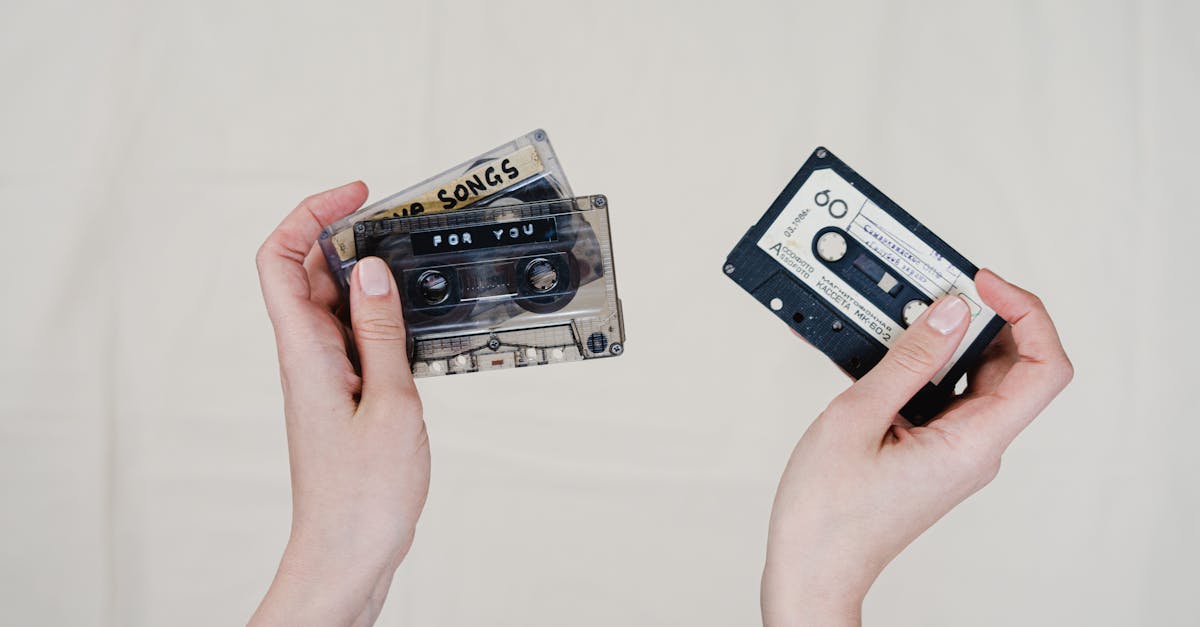
I was scrolling through Spotify's Viral 50 last week when I saw it. A track called "Heart on My Stomp" — a fake Drake and The Weeknd collab — sitting there like it belonged. Except it wasn't real. It was AI-generated, made by a producer who'd never met either artist. And it had already racked up millions of streams before the lawyers swooped in.
That moment hit me harder than any Grammy performance this year. Because here's the uncomfortable truth: AI-generated songs aren't coming for the music industry. They're already inside it, pulling up a chair and ordering drinks.
Let's be honest — most of us assumed AI music would sound like a robot gargling nails for another decade. We were wrong. And the charts are starting to prove it.

The Weird Truth About What's Actually Charting
I've found that people hear "AI song" and picture some soulless algorithm churning out elevator jazz. But the reality is messier and way more interesting.
Virtual artists with AI-generated voices are climbing streaming charts in South Korea, Germany, and increasingly the US. One act, an AI-fronted project called FN Meka, briefly signed with Capitol Records before getting dropped over backlash. Another, the Spanish-language project "Noonoouri," has charted on Billboard's dance charts.
Then there's the gray zone. Producers use AI to clone a singer's voice, generate a beat, or write lyrics — then slap a human name on it. You might be streaming AI-assisted music right now without knowing it.
Here's what most people miss: the industry doesn't have a clean way to label any of this yet. Streaming platforms, labels, and distributors are all scrambling. So the chart positions happen quietly, and the disclosure happens... never.
That's a problem. But it's also kind of fascinating.
Why the Music Industry Is Panicking (And Should Be)
The Recording Industry Association of America and major labels have filed lawsuits against AI music startups. Universal Music Group went after Anthropic and Suno. The estate of Frank Sinatra is fighting AI voice clones. Everyone's lawyering up.
But let me ask you something: when has suing technology ever actually stopped it?
The music industry tried to sue Napster into oblivion. Streaming won anyway. They tried to fight YouTube. Then they partnered with it. The pattern is almost comically predictable.
There are three forces making AI music unstoppable right now:
- Cost collapse — A decent AI-generated track costs a few dollars and takes minutes. A human-produced track costs thousands and takes weeks.
- Voice cloning accuracy — Modern models can replicate a singer's timbre, vibrato, and breath patterns with terrifying precision.
- Distribution ease — Anyone with a laptop can upload to Spotify, Apple Music, and TikTok the same day.
The People Actually Getting Hurt
Here's where I stop being neutral, because this part genuinely bothers me.
Session musicians, background vocalists, and demo singers are the first casualties. Their voices and styles get scraped into training data, and suddenly the thing that made them hireable is available for free. A singer I spoke with last month — someone who's done backing vocals on major pop records — told me her entire income stream is drying up because producers can now "audition" her AI clone instead of hiring her.
Voice actors are furious too. Scarlett Johansson publicly called out OpenAI for a voice that sounded suspiciously like hers. That wasn't a coincidence — it was a warning shot.
And yet... I can't fully join the "AI is destroying music" chorus. Because I've also watched bedroom producers who could never afford studio time suddenly finish tracks. I've seen indie artists use AI to master songs that would've cost them $800. I've watched disabled musicians create again after losing the ability to play.
The technology isn't the villain. The lack of rules is.
What Real Artists Are Actually Doing About It
Smart musicians aren't waiting for legislation. They're adapting. Here's what I'm seeing work:
- Voice and likeness protection clauses in every new contract — non-negotiable
- Registering vocal DNA with services like Vermillio and Sureel AI to prove ownership
- Leaning into live performance — the one thing AI can't fake (yet)
- Using AI as a tool, not a replacement — producers generating stems, then layering real instruments on top
- Building superfan communities who care about the human behind the music
The Question Nobody Wants to Ask
So here's the thought I keep circling back to: if a song moves you — makes you cry, dance, or fall in love — does it matter who made it?
I honestly don't know. Part of me says yes, absolutely. The human struggle, the late nights, the heartbreak that went into a track — that's the soul of it. Take that away and you're just vibing to math.
But another part of me remembers that people said the same thing about synthesizers, drum machines, and Auto-Tune. Every generation panics about the new tool. Every generation was partly right and mostly wrong.
What I do know is this: AI-generated songs are charting, and that genie isn't going back in the bottle. The next five years will decide whether music becomes a human art form with AI assistance, or an AI product with human branding.
That's not a technology question. It's a choice — and it's being made right now, in boardrooms, courtrooms, and studios. Maybe even in your next Spotify playlist.

So the next time a song hits you hard, do me a favor. Look up who actually made it. You might be surprised. And you might be the reason the industry finally starts being honest about it.
Because if we don't demand transparency now, we won't get it later.


