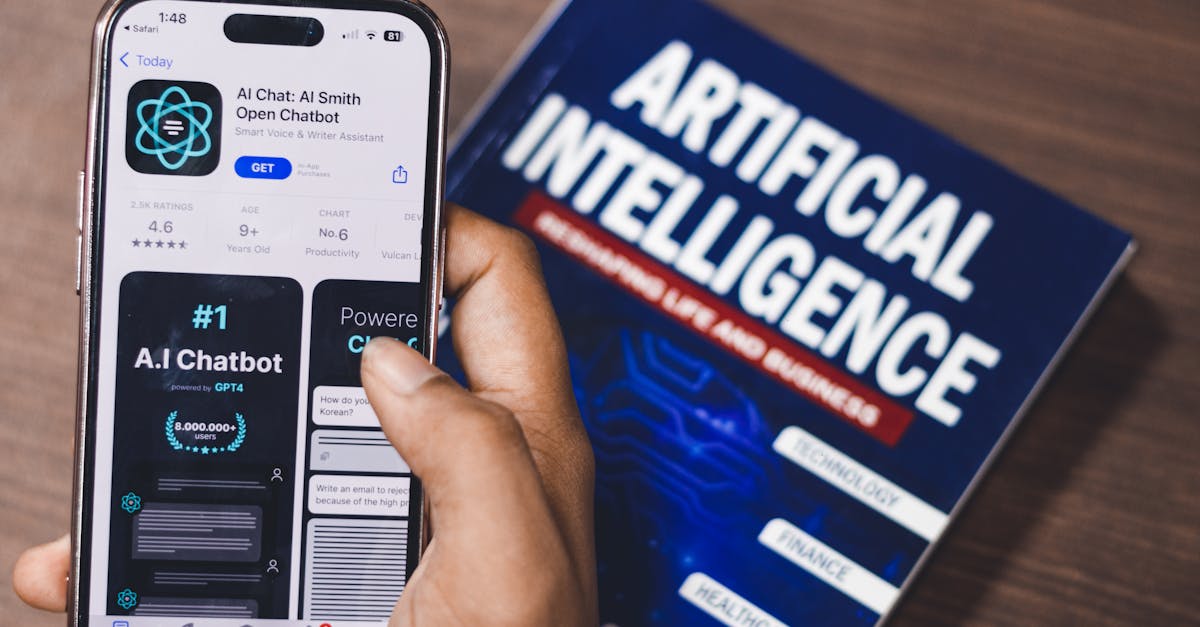
Let me be brutally honest with you: if you think AI agents are just a Silicon Valley fad, you're already behind. Not "a little behind" — like, showing-up-to-a-Zoom-meeting-in-pajamas behind. I've watched colleagues dismiss autonomous AI as hype for the past year, and then quietly panic when they realized their "assistant" had been drafting their reports, triaging their inbox, and booking their client calls for months.
Here's the uncomfortable truth most people miss: AI agents aren't coming for your workflow — they're already in it. The question isn't whether you'll use them. It's whether you'll be the one steering them or the one getting steamrolled by the person in the next cubicle who actually knows what they're doing.

The Quiet Coup Nobody Announced
There was no press conference. No dramatic launch event with a countdown timer. AI agents just… slid into our tools. One day you're manually summarizing a meeting; the next, your calendar app is generating action items before you've even closed your laptop.
I've found that this is exactly how the most disruptive tech takes hold — not with fireworks, but with a shrug. We adopt it because it's convenient, and then one Tuesday we realize we can't function without it.
The hidden risk isn't automation. It's unconscious automation. When you don't know what your AI agent is doing on your behalf, you're not in control — you're just the person whose name is on the output.
And let's be honest, that's a genuinely scary place to be.
What AI Agents Are Actually Doing While You Sleep
Let me paint a picture. An AI agent isn't a chatbot that waits for your question. It's a system that acts. It can:
- Read and prioritize your email, then draft replies in your voice
- Schedule meetings by negotiating availability across calendars
- Compile research from dozens of sources into a briefing
- Monitor dashboards and flag anomalies before you notice them
- Trigger workflows — sending invoices, updating CRMs, escalating tickets
I've seen freelancers discover their AI agent had been auto-accepting project terms they'd never agreed to. I've seen teams whose "smart" tools sent client emails with the wrong tone. None of it was malicious — it was just unmanaged.

The Control Playbook: Three Rules I Swear By
Here's what most people miss: staying in control of AI agents isn't about being technical. It's about being intentional.
1. Give your agent a job description, not a blank check
Would you hire an assistant and say, "Just do whatever you think is best"? Of course not. Yet that's exactly how most people configure their AI agents. Write down what your agent is allowed to do — and just as importantly, what it must never do without your approval. Sending external emails? Ask me first. Rescheduling meetings with clients? Flag it. Internal summaries? Go wild.
2. Build a "human checkpoint" into every high-stakes action
The magic phrase is human-in-the-loop. Any action that touches money, clients, legal commitments, or public communication should require a human review. This isn't distrust of AI — it's basic professional hygiene. I treat my AI agent like a brilliant junior colleague: capable, fast, and absolutely not authorized to sign contracts on my behalf.
3. Audit weekly, not yearly
Set a recurring 15-minute calendar block — yes, ironically, you can have your AI agent schedule it — to review what your agent actually did. What did it send? What did it decide? What surprised you? This one habit has saved me from more than one embarrassing auto-reply.
The Real Skill Nobody's Teaching Yet
We keep talking about "AI literacy" as if it's about understanding neural networks. It's not. The essential skill of the next few years is agent management — the ability to delegate to autonomous systems while keeping your judgment intact.
Think about it like this: the best managers in any company aren't the ones who do everything themselves. They're the ones who delegate brilliantly and stay accountable for the results. That's exactly the relationship you need with your AI agents.
The people who'll thrive aren't the AI skeptics or the AI fanatics. They're the ones who treat agents as amplifiers of their own judgment — powerful tools that extend their capacity without ever replacing their responsibility.

Your Move — Before Your Workflow Moves Without You
Here's my challenge to you this week: open up whatever AI tool is quietly running in your work life and ask three questions. What is this thing doing on my behalf? What boundaries have I set? And who's actually in control here?
If you can't answer all three confidently, you've got work to do. Not because AI is dangerous — but because unmanaged AI is.
The agents are here. They're helpful, they're fast, and they're not going anywhere. The only real question is whether you'll be the pilot or the passenger.
I know which one I'm choosing. Do you?