
AI actors aren't coming for Hollywood's paycheck. They already cashed it — and nobody noticed.
I'm going to say the thing that gets me uninvited from film Twitter: the era of the untouchable movie star is already over. Not because AI killed it. Because we did. The technology just showed up to the funeral with a camera.
Let me explain what I mean, because this isn't a hot take I pulled out of thin air. I've been watching the business of entertainment closely for years, and the signs have been stacking up since long before ChatGPT made "digital twin" a phrase your aunt uses at dinner.
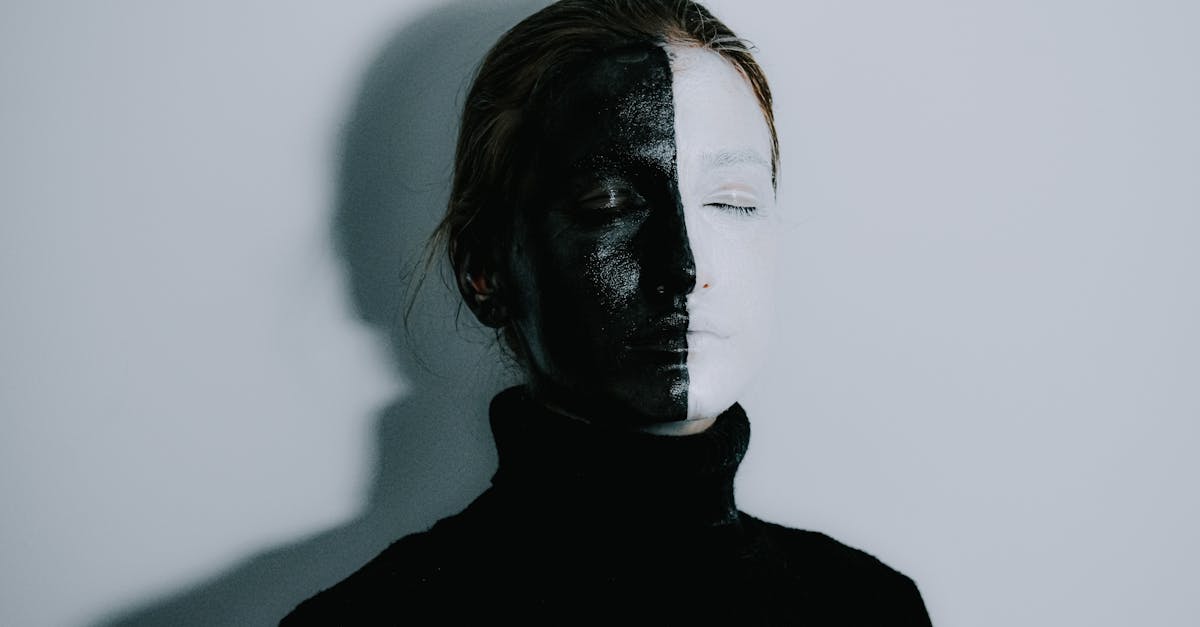
The Deepfake That Should've Started a War
Remember when a convincing deepfake of Tom Cruise blew up TikTok in 2021? Everyone laughed. "Wow, technology!" Then a company called Metaphysic — the folks behind that viral magic — landed a deal to de-age Tom Cruise for Mission: Impossible – Dead Reckoning. Suddenly it wasn't a joke anymore. It was a job posting.
Here's what most people miss: de-aging is the gateway drug. Once you accept that a studio can make a 60-year-old look 35, you've already accepted that the "actor" on screen isn't entirely the actor. You're watching a performance wrapped in a digital skin. The only question left is how much of the original person you actually need.
And the answer, terrifyingly, is: less every year.
Your Favorite Star Is Already a Digital Twin (You Just Don't Know It)
Let's be honest — the term "digital twin" sounds like sci-fi cosplay. But the practice is boringly corporate now. Scan an actor's face in a light rig for a few hours. Capture their voice from hours of clean audio. Store it in a vault. Then use it whenever a schedule conflict, a hangover, or a tragic death gets in the way.
Carrie Fisher appeared in Star Wars after she passed. Peter Cushing got resurrected for Rogue One. James Dean — a man who died in 1955 — was cast in a movie in 2019. The dead are already working actors.
I've found that audiences have a weird tolerance for this. We'll rage about a recast, then quietly accept a digital resurrection if the movie's good enough. We're not principled. We're sentimental and distracted. That's a dangerous combination for celebrity culture.
The Three Things Nobody's Saying Out Loud
Most takes on AI actors fall into two camps: "it's amazing" or "it's the apocalypse." Both miss the actual mechanics of what's happening. Here's the version I wish more people understood:
- Consent is the whole ballgame. The real fight isn't whether AI can act. It's whether a performer owns their likeness when they walk out the door. SAG-AFTRA struck for 118 days in 2023 largely over this. They won some protections. They did not win the future.
- Studios don't want new stars — they want no stars. A movie star is a negotiation. A digital asset is a line item. If you're a studio executive, why would you ever want a human who can demand backend points, show up late, or age out of the role?
- The audience is the last firewall. We keep pretending we have no power here. We have all of it. The moment we stop paying for synthetic performances, they stop making them. Simple. Brutal. True.
Is Celebrity Culture Dying, or Just Changing Its Shape?
Let me push back on my own panic for a second. Because I don't think this is purely a horror story.
Celebrity has always been manufactured. The studio system of the 1930s literally owned actors, changed their names, invented their backstories, and dictated who they married. Celebrity culture was never authentic — it was just analog. What's happening now is the same machinery running on better silicon.
So maybe the real question isn't "is this the end of celebrity culture?" Maybe it's "what replaces it?"
I've got a hunch. The stars who survive this shift will be the ones who can't be scanned into oblivion — the ones whose value is their living, messy, unpredictable presence. Think live performers. Think personalities whose chaos is the product. Think people like you and me, honestly, who build audiences on personality and voice rather than a photogenic face. The AI can copy a look. It's terrible at being genuinely weird.
The Actor Who'll Outlive Us All
Here's a prediction I'll happily eat my words on if I'm wrong: within a decade, at least one major studio franchise will feature a lead "actor" who is a fully synthetic composite — no single human behind the face. Not a resurrected legend. Not a de-aged star. A brand-new digital person with a backstory, an Instagram, and a PR team.
And here's the twist. It'll probably be a hit. Because audiences don't fall in love with flesh and bone. We fall in love with characters and the feeling of connection. If a synthetic performer can deliver that feeling, most of us won't check the source code.
That's not a technology problem. That's a human one.
So What Do We Actually Do About It?
You don't need to boycott anything or write angry tweets. But you do need to get deliberate. Here's my honest advice:
- Follow the contracts, not the hype. When you hear "digital twin," ask who owns it. The answer tells you everything.
- Pay attention to what you're emotionally responding to. If a performance moves you, notice whether a real person is behind it. That awareness is power.
- Support living artists loudly. Not out of pity — out of self-interest. The culture you fund is the culture you get.
I know which side I'm betting on. The question is whether enough of us bet the same way before the credits roll.
What's your take — would you watch a movie starring a digital actor you knew was synthetic? Or does the illusion only work when there's a heartbeat behind it? Tell me in the comments. I read every one.





