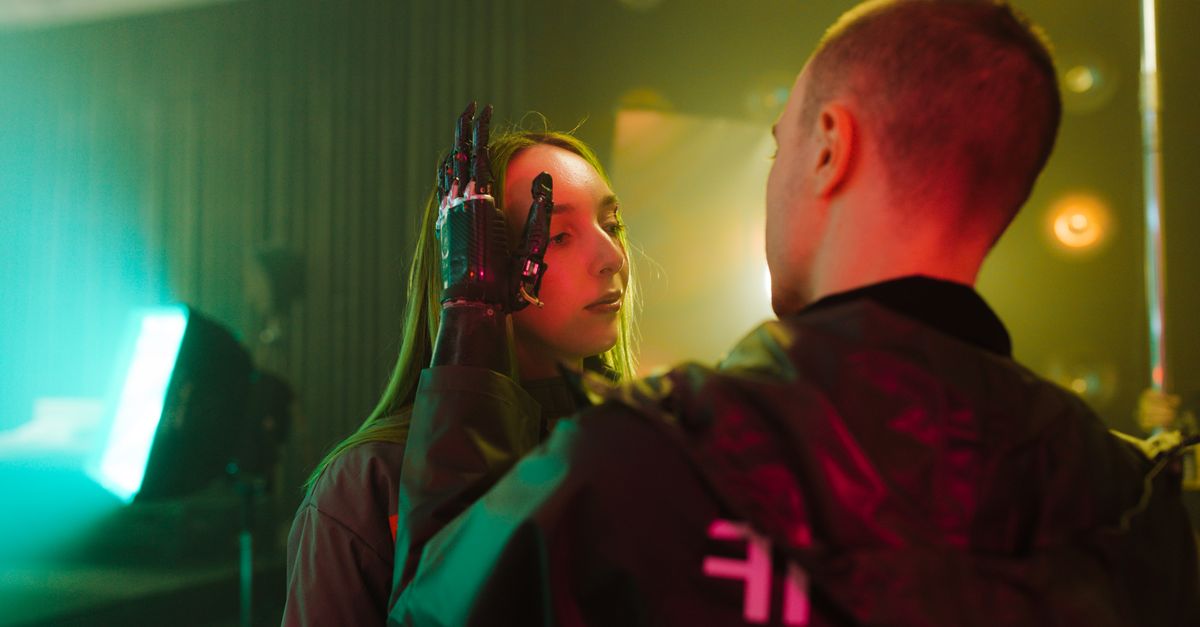
I'll say the quiet part out loud: most actors are terrified right now, and they're right to be. Not because AI is coming for their jobs tomorrow — that's the lazy take everyone parrots on Twitter. They're scared because the contracts being signed in 2025 are quietly deciding who owns their face, their voice, and their likeness for the next thirty years. And once you sign that away, you don't get it back.
I've been following the SAG-AFTRA negotiations, the scanning scandals, and the slow creep of digital doppelgängers through Hollywood for a while now, and here's what most people miss: this isn't a sci-fi hypothetical. It's happening in casting offices this week.
The Day Background Actors Got Scanned Like Groceries
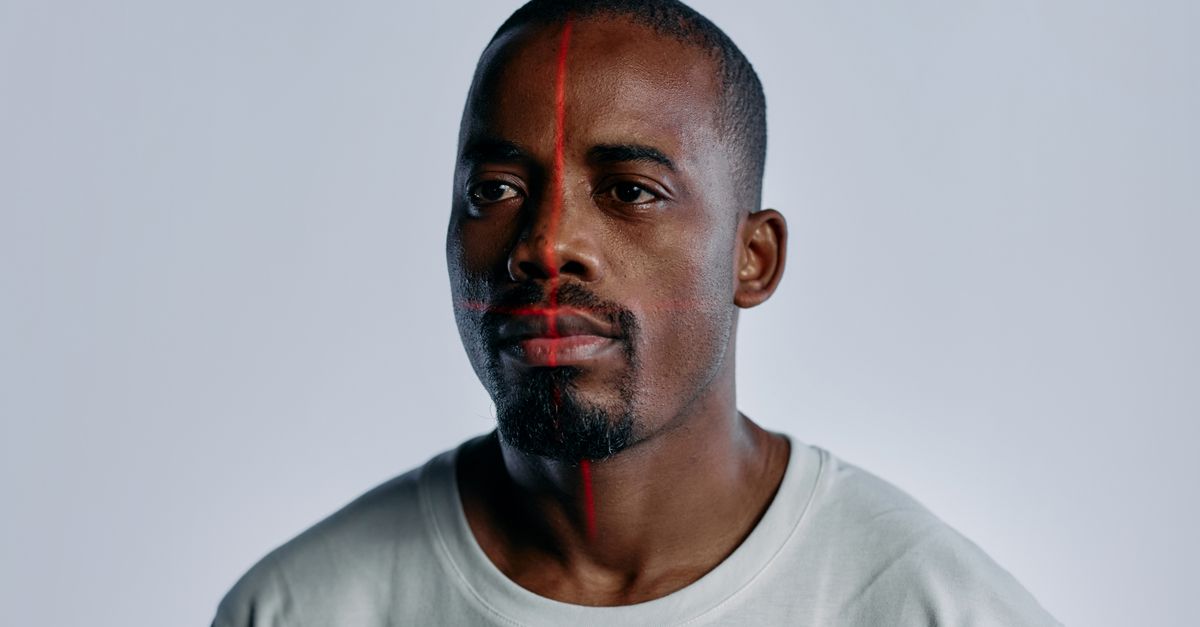
Let me tell you about something that should've been a bigger deal than it was. During the 2023 strikes, reports surfaced of background actors being pulled aside on set, handed a $200 day rate, and asked to sit in a scanning rig for a few minutes. Boom — your face is now a digital asset. Forever. No residuals, no consent for future use, no say in whether your digital twin shows up in a toothpaste commercial or something considerably worse.
Here's the thing that makes my blood boil. Those actors often didn't realize what they'd agreed to. The paperwork was buried in onboarding documents. Some of them were told it was just "for safety" or "in case we need to reshoot a scene." That's not informed consent — that's a digital land grab dressed up as a formality.
And it wasn't just extras. Big-name actors have been getting scanned for years for VFX purposes. The difference now is that the technology has gone from "expensive novelty" to "cheap enough to use on anyone standing near a camera."
Why "Digital Doppelgänger" Is the Scariest Phrase in Hollywood
A digital doppelgänger isn't just a deepfake. It's a licensed, legally-binding replica of a real performer that can be deployed without the performer ever stepping on set. Studios love this for obvious reasons:
- No scheduling conflicts
- No dressing rooms, no trailers, no per diems
- No renegotiating contracts when someone becomes famous
- The "actor" never ages, never gets sick, never says something controversial on a podcast
I've found that when people talk about "AI actors," they picture some robot walking around a soundstage. That's not the threat. The threat is far more boring and far more insidious — it's a clause in a contract that says "Performer grants Producer the right to use their digital replica in perpetuity." Perpetuity. That's a long time.
The Legal Battle Nobody's Ready For
Let's be honest: the law is embarrassingly behind the technology here. Right now, protections for digital likeness vary wildly by state. California has some of the strongest rules. Other states? Basically the Wild West. And when you're dealing with AI-generated performances that can be created anywhere and streamed everywhere, jurisdiction becomes a nightmare.
Then there's the estate problem. What happens when an actor dies and their digital doppelgänger keeps working? We already saw this with deepfake cameos in recent films — some tasteful, some ghoulish. Who gets to decide whether a dead performer appears in a sequel they never agreed to? Their family? Their agent? The studio that owns the contract?
There's a reason SAG-AFTRA fought so hard for consent and compensation language in the 2023 deal. And there's a reason the fight isn't over — the agreement has holes, loopholes, and plenty of gray areas that studios will absolutely exploit. If you think a multi-billion-dollar industry will play nice just because a contract says so, I've got a bridge in Burbank to sell you.
The Real Question Isn't "Can AI Act?" — It's "Should It?"
Here's where I'll plant my flag. AI is a tool, not a replacement. I don't have a problem with de-aging technology that lets an 80-year-old actor play a 40-year-old version of themselves. I don't have a problem with VFX teams using AI to speed up rendering or clean up shots. That's craft enhancement, not performance theft.
What I do have a problem with is the idea that human presence is optional. Because once you accept that, you accept that the person on screen doesn't actually need to be a person. And that changes the entire emotional contract between performer and audience.
Think about your favorite performance. The one that made you cry, or laugh, or feel something you couldn't explain. Now imagine it was generated by a model trained on a thousand other performances. Would it hit the same? I don't think so. Because what moves us isn't perfection — it's the cracks. The humanity. The fact that someone chose to do it that way.
What Actors (And Audiences) Should Actually Do About It
Here's my practical take, and it's not doom-and-gloom:
- Actors: read every clause. If a contract mentions "digital replica," "likeness capture," or "synthetic performance," get a lawyer. Yes, even for a small role.
- Unions: keep pushing. The 2023 deal was a start, not a finish line. The next negotiation is the one that really matters.
- Audiences: vote with your attention. If a movie uses a digital doppelgänger of a dead actor without consent, don't just shrug. Talk about it. Post about it. Make it a box office liability.
- Everyone: stop romanticizing inevitability. "AI is coming, get used to it" is the laziest sentence in tech discourse. It's not inevitable. It's a choice made by people with money, and choices can be challenged.
The Future Is Being Written Right Now
I'll leave you with this. The next time you watch a movie and something feels off about a face on screen, trust that instinct. Maybe it's a digital doppelgänger. Maybe it's a performer who signed away more than they realized. Maybe it's the beginning of something we'll look back on the way we now look back on the worst labor practices of early Hollywood.
The battle for AI actors isn't a tech story. It's a human one. And the people who care about performance — the ones who actually love movies — need to be loud about it. Not in five years. Now.
So here's my challenge to you: next time a studio announces a "digital resurrection" or an "AI-assisted performance," don't just consume it. Ask who got paid. Ask who said yes. Ask who didn't get asked at all.
Because the doppelgängers are already here. The only question left is whether we let them take the stage.






