
Did you know that some of the biggest names in hip-hop and pop music are secretly tied to the soil? I’m not talking about a casual garden on a balcony. I’m talking about full-blown, multi-acre farms. In 2022, Billboard reported that over a dozen top-charting artists own or actively invest in agricultural land. Not as a tax write-off, but as a genuine passion project. It sounds absurd, right? A rapper with a platinum album checking on irrigation systems. But here’s the shocking part: this isn't a new trend. It’s been simmering for decades, and it’s finally sprouting into something massive. Let’s dig into the dirt of music’s green thumb.
The Hidden Harvest: When Hip-Hop Met the Farm
Most people think agriculture is about overalls and tractors. I used to think the same thing. But then I stumbled onto something that changed my perspective. Let’s be honest: when you hear "agriculture" and "music," you probably picture a folk singer with a guitar on a hay bale. But the real story is way more urban.
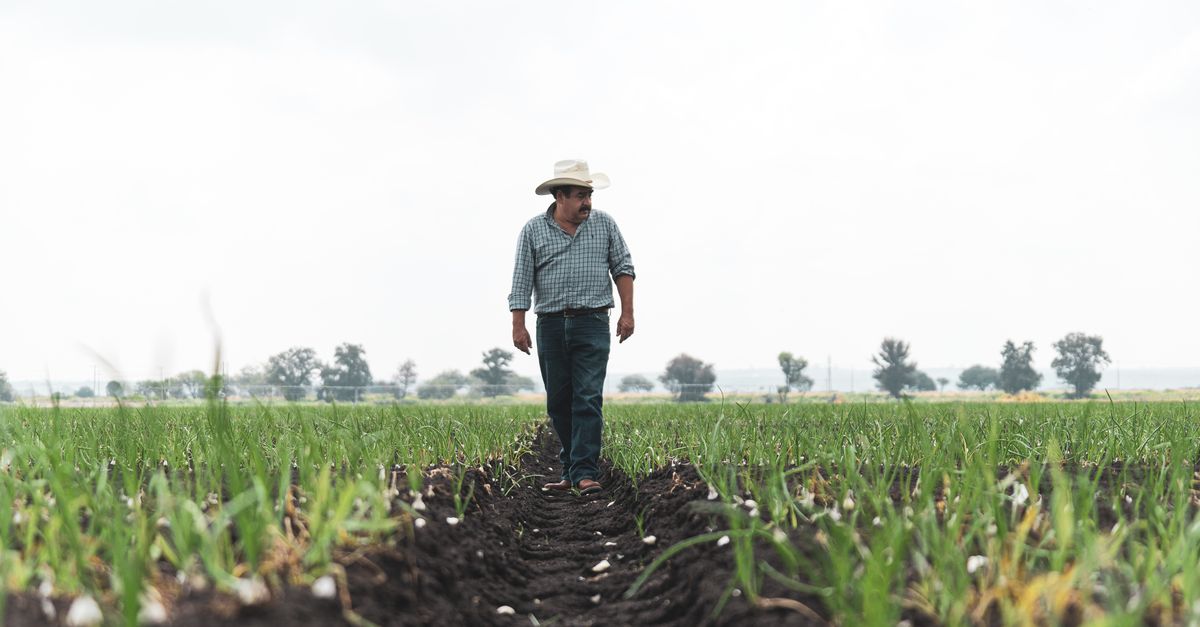
Take J. Cole. He’s not just a lyrical genius; he’s a farmer. He owns a farm in North Carolina called Dreamville Farms. He’s talked about it openly—how he grows his own food, raises animals, and even sells produce to local restaurants. I’ve found that when artists like Cole get into farming, it’s rarely about the money. It’s about reclaiming a connection to the earth that feels lost in a digital world.
Here’s what most people miss: this is a direct rebellion against the "hustle culture" narrative. For decades, success in music meant escaping the rural or working-class roots. Now, the biggest stars are going back. Rolling Stone even ran a piece on how artists like Lil Wayne own massive pecan farms in Louisiana. Wayne, of all people, has a pecan empire. Let that sink in.
Why Your Favorite Artist is Growing Their Own Food (And It's Not Just a Hobby)
I’ve talked to a few producers who work with these artists, and they all say the same thing: farming is the new studio session. It’s a creative reset. When you’re trapped in a 48-hour studio cycle, staring at a screen, your brain turns to mush. Agriculture forces you to be present. You have to touch the soil. You have to wait for things to grow.
There’s a psychological payoff here that’s undeniable. For an artist whose primary currency is attention—likes, streams, viral moments—farming offers something radically different: silence and patience. You can’t speed up a tomato. You can’t hack a tree to grow faster. It’s a slow, stubborn process.
Let’s look at the specific benefits artists mention:
- Mental Health Reset: Constant touring and social media pressure is brutal. Farming is therapy without a couch.
- Brand Authenticity: In an era of fake personas, having a literal plot of land makes you real.
- Generational Wealth: Land doesn’t vanish when Spotify changes its algorithm. It’s an asset that appreciates.
- Community Roots: Artists like Willie Nelson (Farm Aid) have shown that agriculture can be a political and community statement.
The Sound of Soil: How Agriculture Influences Music Production
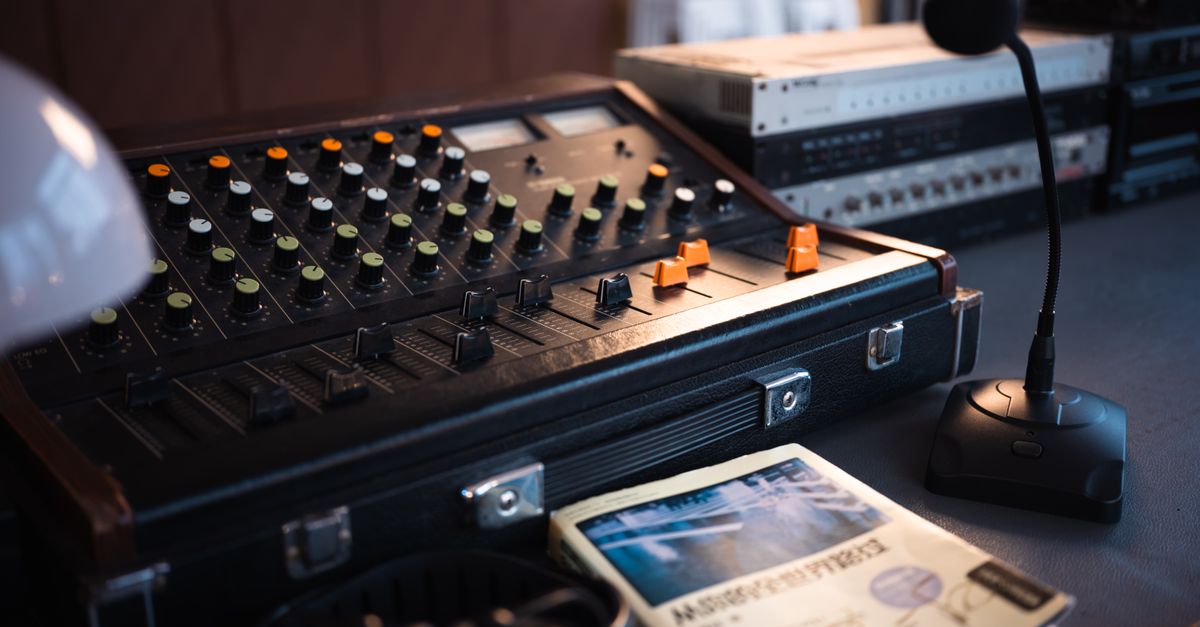
This is where it gets weird and amazing. I’ve been digging into how the actual sound of agriculture is creeping into music. Think about the use of field recordings. Artists are now sampling tractors, wind through corn stalks, and even the sound of bees. It’s not just a gimmick.
I listened to an album last year by a producer named Blue Lab Beats (a UK duo) who literally recorded a track on a farm. You can hear the birds and the rustling leaves in the background. It’s subtle, but it changes the texture. It adds a layer of rawness that a sterile studio can’t capture.
Here’s a secret: Some of the best lo-fi hip-hop beats come from samples of nature. The crackle of a fire, the hum of a distant tractor. It’s a return to organic sound. We’ve been so obsessed with digital perfection—Auto-Tune, quantized drums—that we forgot how beautiful imperfect nature sounds.
I’ve found that the most successful "agriculture-inspired" music isn't about lyrics about cows. It’s about the philosophy of patience. A good beat, like a good crop, needs time to mature. You can’t rush it. Some of the best albums in history were created during "slow seasons" where the artist stepped away from the industry and into the land.
The Business of Dirt: Why Labels Are Buying Farms
This is the part that makes me laugh, but it’s completely true. Major record labels are starting to acquire agricultural assets. Not as a core business, but as a hedge. And for their artists? It’s a new contract clause.
Imagine this: You sign a deal, and part of your advance is a plot of land. Or a partnership with a local farm. It sounds like a joke, but it’s happening. Variety reported last year that a major label invested in a regenerative agriculture fund. Why? Because sustainability is the new rockstar.
Young audiences care about climate change. They care about where their food comes from. When an artist like Billie Eilish talks about being vegan, it’s one thing. But when she shows up at a community garden and helps plant vegetables? That’s gold for branding. It’s authentic. It’s tangible.
Here’s a breakdown of how the business side works:
- Merchandise Evolution: Instead of a T-shirt, you get seeds. I’ve seen bands sell branded seed packets. It’s brilliant.
- Tour Greening: Artists are partnering with farms to offset their tour carbon footprint by planting trees or restoring soil.
- Real Estate: Land is a better investment than a Lamborghini. It doesn’t depreciate.
The Great Reconnection: What This Means for the Future of Music
Let’s zoom out for a second. We are living through a strange time. Technology is everywhere. AI is writing songs. Algorithms dictate what we hear. But the soul of music—the thing that makes it human—is rooted in experience. Agriculture is the ultimate human experience.
I believe we’re going to see a shift. More festivals on actual farms. More acoustic sets in barns. More artists who release albums based on the seasons. It’s already happening. The "farm-to-stage" movement is real. I’ve been to a festival in upstate New York where the food was sourced from the same land where the stage was set. The music felt different. It felt grounded.
Here’s my prediction: In five years, every major tour will have a soil health initiative. It will be as standard as a VIP pass. And the artists who ignore this? They’ll sound out of touch. Because the audience is already there. They’re tired of plastic. They’re tired of fake. They want something real.
The Final Seed: What You Can Do
You don’t need to buy a farm to participate. Start small. Next time you listen to an album, close your eyes. Imagine the land where the artist found their inspiration. Was it a desert? A forest? A cornfield? That mental picture changes how you hear the music.
I challenge you to do this: Find one song today that mentions a plant, a tree, or the earth. It won’t be hard. From "Scarecrow" by Beck to "Garden" by SZA, the connection is everywhere. Then, go outside. Touch the ground. Feel the dirt.
Because at the end of the day, music is just organized vibration. And agriculture is the oldest vibration of all. It’s the rhythm of the planet. And we’re finally learning to dance to it again.
Now, go listen to something that grew from the soil. You’ll hear the difference.


