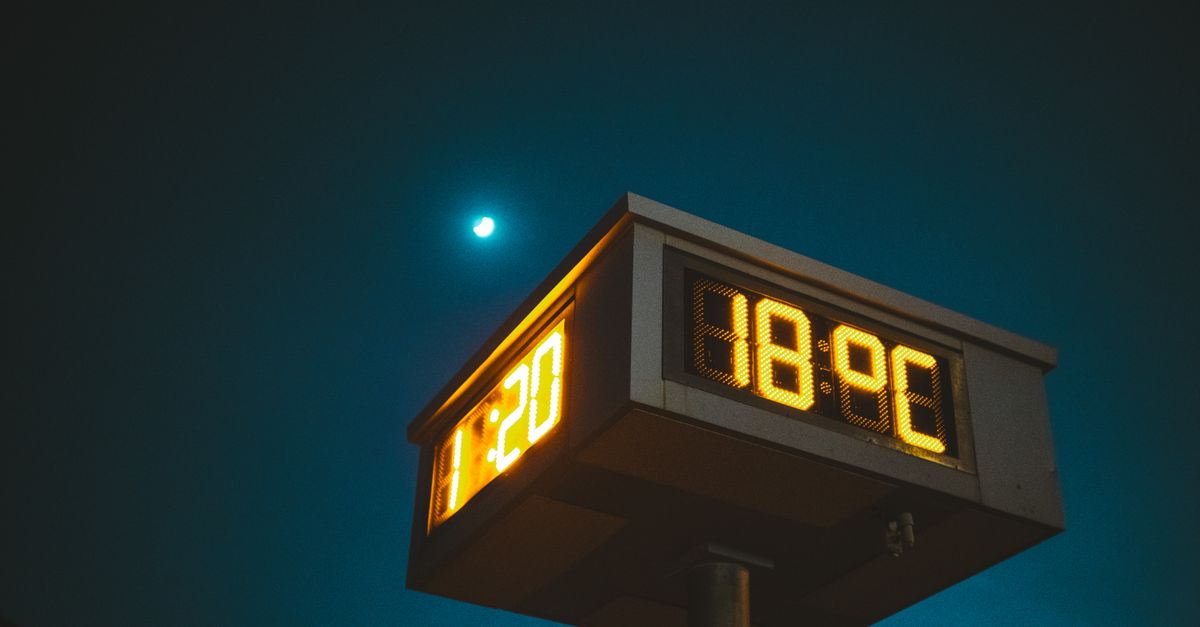
I remember the night I finally caved. It was 7:58 PM, and I was staring at my phone, thumb hovering over the "order" button for a 12-pack of energy drinks. My brain was screaming, "You don't need this, you're just bored." But then the clock hit 8:00 PM. Suddenly, my brain went quiet. No guilt. No second-guessing. Just pure, blissful relief. I hit order.
That moment messed with my head for days. Why did 8 PM feel like a permission slip? Why did waiting two more minutes make something I wanted feel okay?
Here's what I've discovered: 8 PM isn't just a time on the clock. It's a psychological threshold. A switch that flips in our brains, turning "bad decisions" into "treat yourself" moments. And science has a lot to say about why.
The 8 PM Brain: Why Your Willpower Goes to Sleep
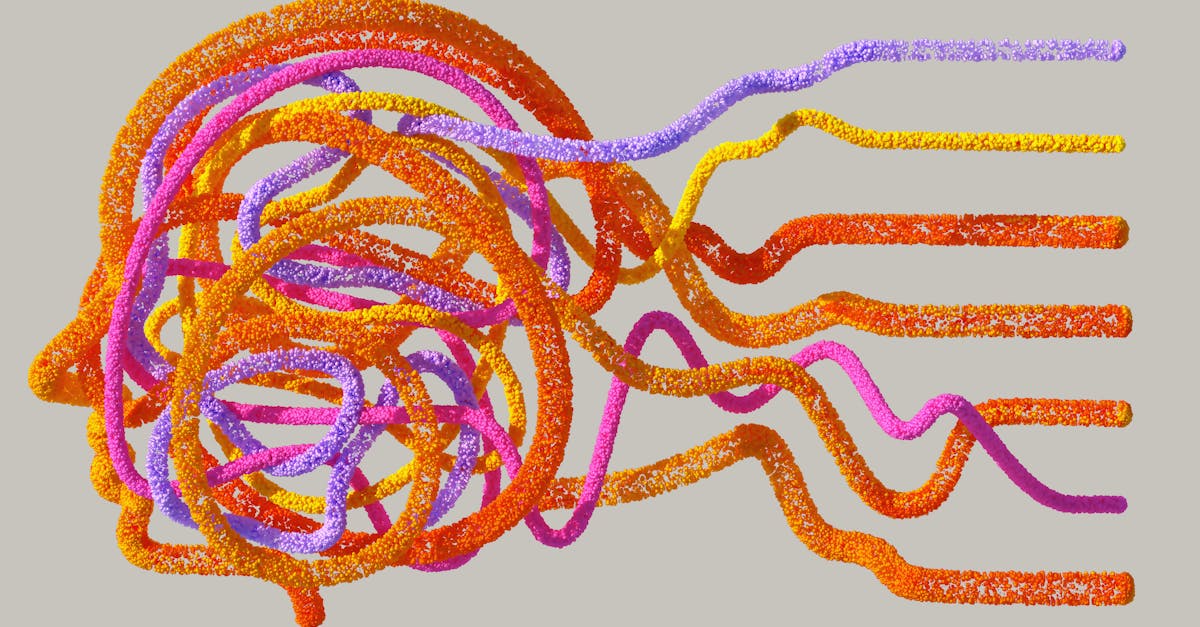
Let's be honest — by 8 PM, your prefrontal cortex is clocked out. That's the part of your brain responsible for rational decision-making, impulse control, and long-term planning. It's like the bouncer at a club who just decided to take a nap.
I've found that most people don't realize their brain chemistry shifts dramatically after 8 PM. Here's what happens:
- Cortisol drops — your stress hormone takes a nosedive, making you less alert
- Melatonin rises — your sleep hormone starts whispering sweet nothings to your brain
- Glucose levels fluctuate — your body's energy management goes into "low power mode"
So when you're standing in front of the fridge at 8:02 PM, staring at leftover pizza and a healthy salad, your brain isn't really choosing. It's defaulting. The path of least resistance wins every time.
The "8 PM Rule" That Controls Your Habits
Here's something most people miss: many of our strongest routines are anchored to 8 PM. Think about it — when do you usually:
- Scroll social media for "just five more minutes"?
- Decide to skip that workout because "it's too late now"?
- Reach for a snack you swore you wouldn't eat?
I call this the "8 PM Rule" — an unspoken boundary where our brains decide that the day is over and tomorrow is the only time that matters. It's why "I'll start my diet tomorrow" usually gets said around 8 PM. It's why you'll promise yourself to go to bed early at 8 PM, but then watch one more episode at 9 PM, and then another at 10 PM.
The science behind this is fascinating. Your circadian rhythm doesn't just control sleep — it controls your entire behavioral pattern. As evening approaches, your brain's reward system becomes more sensitive to immediate gratification. You're literally biologically programmed to chase short-term pleasure at 8 PM.
Why 8 PM Is the Most Dangerous Hour for Your Health
I'm not trying to be dramatic here, but let's be real — 8 PM is when most of us sabotage our health goals without even realizing it.
Think about the typical 8 PM scenario: You're tired. You're bored. You're maybe a little stressed about tomorrow. Your brain is screaming for a dopamine hit. And what's the easiest way to get one? Food. Specifically, high-calorie, high-sugar, high-fat foods.
Research published in Obesity journal found that people who eat after 8 PM consume an average of 300-500 more calories per day than those who stop eating earlier. That's not just a few extra chips — that's a full meal's worth of energy your body doesn't need while you're sitting on the couch.
But here's the kicker: it's not just about calories. Eating late at night messes with your sleep quality, your metabolism, and even your memory. Your body is designed to rest and repair at night, not digest a pizza.

The Surprising Science of the 8 PM "Reset Button"
Now here's where it gets interesting. 8 PM isn't just a trap — it's also an opportunity.
I've found that the most successful people I know use 8 PM as a psychological reset. They don't fight their biology. They work with it.
Here's what they do differently:
- They set a hard "stop eating" boundary at 8 PM — not because they're strict, but because they know their willpower is gone
- They use 8 PM as a transition signal — a clear "the work day is over" marker
- They pre-decide their 8 PM activities — instead of waiting to feel tired, they plan their evening unwind routine
How to Hack Your 8 PM Brain (Without Feeling Deprived)
Look, I'm not going to tell you to never eat after 8 PM or to be a perfect angel every evening. That's unrealistic and honestly, kind of boring. The goal isn't perfection — it's awareness.
Here's what actually works:
The 10-Minute Rule: When you feel the urge to do something you'll regret at 8 PM, set a timer for 10 minutes. Do literally anything else — stretch, drink water, brush your teeth. Most cravings disappear within 10 minutes.
The "Tomorrow Test": Ask yourself, "Will I be glad I did this at 8 AM tomorrow?" If the answer is no, don't do it. This simple question bypasses your exhausted brain and connects with your future self.
The Environmental Hack: If you don't want to eat unhealthy snacks after 8 PM, don't have them in your house. It sounds obvious, but most people keep junk food around "for emergencies." By 8 PM, everything feels like an emergency.
The Light Switch: Your brain is sensitive to light at 8 PM. Blue light from screens suppresses melatonin. If you want to wind down, dim the lights, put on blue-light blocking glasses, or switch to a warm-toned lamp.

The 8 PM Truth Nobody Talks About
Here's the thing nobody wants to admit: 8 PM is a mirror. It reflects back everything you've been avoiding all day. The stress you didn't process. The emotions you suppressed. The boredom you refused to acknowledge.
When you reach for that bag of chips at 8:15 PM, you're not really hungry. You're trying to fill a void that food can't touch. And that's okay. We all do it.
But here's what I've learned: the 8 PM hour doesn't have to be your enemy. It can be your ally. It's the time when your guard is down, yes — but that also means you're more open to real connection, genuine rest, and honest self-reflection.
So tonight, when 8 PM rolls around, try something different. Don't fight it. Don't ignore it. Just notice it. Ask yourself: "What do I really need right now?"
The answer might surprise you.
And if it's still a bag of chips? Fine. Enjoy it. Just make sure it's a choice, not a default.





